Choosing the right car seat for autistic children involves balancing safety, comfort, and ease of use. This guide highlights five practical options designed to accommodate diverse sensory needs, simplify installation, and support longer rides. Each product below is described with its key features to help caregivers compare options for travel, ridesharing, and everyday commuting. The summary table provides a quick reference to the selected models and brands.
| Product | Brand | Type | Special Notes |
|---|---|---|---|
| RideSafer – Small Black | RideSafer | Vest-type restraint | Ultra-lightweight, portable; suitable for travel |
| RideSafer – Small Pink | RideSafer | Vest-type restraint | Ultra-lightweight, compact; stylish option |
| RideSafer – Extra Small Blue | RideSafer | Vest-type restraint | Optimized for toddlers; highly portable |
| hiccapop UberBoost | hiccapop | Inflatable booster | Portable, fast setup, meets FMVSS213 |
| Graco Slimfit | Graco | 3-in-1 convertible | Ultra-slim design, rear/forward facing and booster |
RideSafer – Small Black Car Seat

The RideSafer vest-type restraint is designed to optimize the fit of an adult seat belt to a child’s body. It is marketed as an unconventional, innovative solution that enhances safety for travel by maintaining the belt’s proper position. The system is certified for use in motor vehicles and meets FMVSS 213 safety requirements, making it legal in all U.S. states. Its compact, ultra-lightweight construction makes it suitable for families and caregivers who travel frequently, including rideshares, taxis, and rental cars.
RideSafer – Small Pink Car Seat
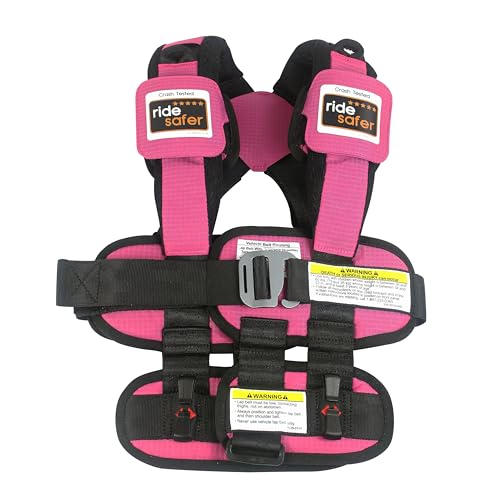
This pink variant shares the same vest-style design and safety claims as the black option. It emphasizes compactness and portability for families on the go, including during rideshares or travel with multiple children. The vest system aims to optimize seat belt fit for a child’s torso, and it remains compliant with FMVSS 213 standards for safe use in U.S. vehicles.
RideSafer – Extra Small (XS) Blue

This extra-small blue vest-type restraint targets smaller children who require a snug belt fit. It emphasizes portability for travel, with certification to meet FMVSS 213 standards across U.S. states and territories. The design focuses on ease of installation, making it a practical option for families using taxis, rideshares, or rental cars.
hiccapop UberBoost Inflatable Booster

The UberBoost is a portable inflatable booster that inflates in under 20 seconds and packs into a travel bag. It complies with FMVSS213 safety standards and features a non-skid base for stability on various seat surfaces. Its compact form is suitable for quick journeys in rental cars or taxis, offering a simple option for sensory-sensitive riders who benefit from a lightweight setup.
Graco Slimfit 3-in-1 Convertible Car Seat

The Slimfit merges rear-facing, forward-facing, and high-back booster modes in a slim footprint designed to save back-seat space. It features Graco ProtectPlus Engineered safety testing and a No-Rethread Simply Safe Adjust harness system that moves together with the headrest for easy adjustments. This option is suitable for growing children and tight vehicle interiors, with an emphasis on safety and adaptability.
Buying Guide
- Safety standards and compatibility: Look for seats that meet FMVSS 213 requirements and are certified for use in U.S. vehicles. Ensure the seat fits your vehicle’s seat dimensions and your child’s weight range.
- Fit for sensory needs: Vest-type restraints can reduce strap noise and movement for some autistic children by providing a stable belt fit. Inflatable boosters may reduce pressure points and are highly portable, while traditional 3-in-1 seats offer familiar harness systems for longer usage.
- Ease of installation: Choose models with simple installation processes, clear instructions, and features like adjustable harnesses that move with the headrest. Quick-setup options are beneficial for caregivers on the go.
- Portability and travel readiness: For families that travel, ultra-lightweight and compact designs (such as vest restraints or inflatable boosters) can ease packing and handling in rideshares and taxis.
- Size and growth: Consider weight/height ranges and whether the seat will accommodate your child as they grow. Convertible seats offer longer usage, while booster-only designs may suit shorter-term needs.
- Maintenance and cleaning: Removable covers and simple cleaning processes help maintain a comfortable seating experience, especially for children with sensory sensitivities.
- Cost of ownership: While not a price comparison, evaluate long-term value, including multi-stage seats versus single-use boosters, and any warranty coverage.
- Practical testing: If possible, test installability in your vehicle and observe how your child responds to different seat types—comfort, noise, and any sensory triggers matter.