When shopping for a child seat for a 6-year-old, the key is a belt-positioning booster that raises your child to fit the car’s seat belt correctly and securely. These selections are best for big kids who have outgrown their first boosters or high-back seats but still need guidance with a vehicle’s seat belt. The top picks below emphasize reliable designs, easy installation, and comfort for longer rides. See the quick product table and then detailed sections to compare features and determine who each booster is best for.
| Product | Best For | Why It Stands Out |
|---|---|---|
| Graco TurboBooster LX Backless Booster with Affix Latch | Big kids needing a compact option | Front-adjust LATCH; strong weight range |
| Graco TurboBooster 2.0 Backless Booster Car Seat, Barbie Painterly | Kids who want a fun design | Top-tier crash testing and ProtectPlus Engineered |
| Chicco GoFit Plus Backless Booster | Travel-friendly, one-hand removal | LATCH stabilization and quick-release removal |
| Chicco KidFit ClearTex Plus 2-in-1 (Reef/Navy) | Portability with high-back option | 10-position height, no flame retardants |
| Safety 1st Grand 2-in-1 Booster | Versatile for growing children | Converts from high back to belt-positioning booster |
Graco TurboBooster LX Backless Booster with Affix Latch

Best for parents seeking a simple, secure backless booster with easy installation. The Graco LX supports big kids from 40 to 100 pounds and 43 to 57 inches tall. Its Front-adjust LATCH enables quick, dependable attachment to the vehicle seat, helping to keep the booster steady during entry and exit.
Who it’s best for: families wanting a compact, straightforward booster when a backless design suffices and a firm LATCH connection is a priority. Why chosen: affordability, clear weight/height range, and easy securing method make it a practical daily booster. Caution: backless use may reduce side-impact protection versus high-back models in some vehicle configurations.
Graco TurboBooster 2.0 Backless Booster Car Seat, Barbie Painterly
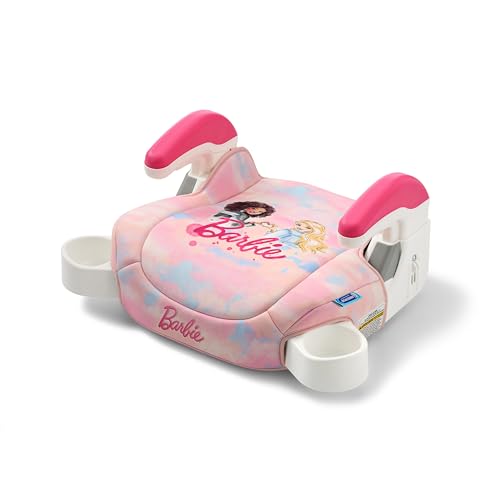
This option is best for growing kids who enjoy a playful design while needing a sturdy booster. It supports children 40–100 pounds and up to 57 inches tall. Graco ProtectPlus Engineered offers additional safety testing across front, side, and rollover scenarios, giving extra confidence on longer trips.
Best-for note: ideal for households that want a high-capacity, kid-friendly booster with strong crash-testing coverage. Better for: kids who prefer a themed seat. Limitation: as a backless booster, it won’t provide head/neck guidance in a rear-impact crash as a high-back model would.
Chicco GoFit Plus Backless Booster

The GoFit Plus is designed for children who are at least 4 years old and between 40 and 110 pounds. It features LATCH for stability and a quick-release design for one-hand removal. The ErgoBoost contoured seat and double foam padding provide targeted support for comfort on longer rides.
Best for: families needing a portable, easy-to-transfer booster with a built-in carry handle. Choose this if you value one-hand removal and a contoured seat for comfort. Caution: backless design offers limited upper-body support and no headrest guidance in a crash compare to high-back models.
Chicco KidFit ClearTex Plus 2-in-1 (Reef/Navy)

This 2-in-1 booster transitions from backless to high-back, giving extended use as your child grows. It includes head and torso protection with DuoGuard, and a 10-position height adjuster from the waist to reduce strain on the neck. It also uses premium LATCH connectors and a SuperCinch one-pull tightener for easy setup.
Best for: families looking for a single seat that adapts as a child reaches higher weight thresholds. Better for: versatile seating with safety-focused improvements and easy transfer. Limitation: backless mode has less side-head protection than a dedicated high-back model for some configurations.
Safety 1st Grand 2-in-1 Booster Car Seat
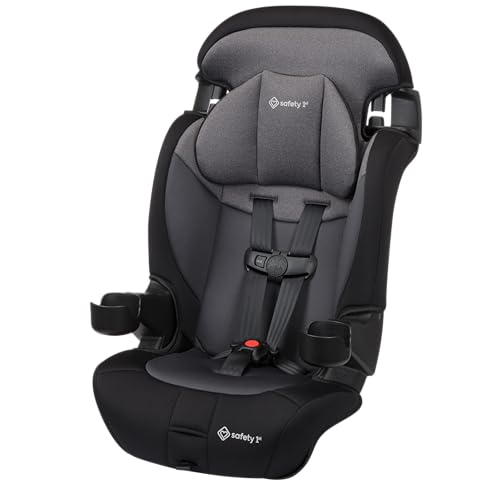
The Grand 2-in-1 provides a high-back option that converts to a belt-positioning booster, offering growing-value for families. It supports children 40–65 pounds with the harness and 40–100 pounds in booster mode. The design emphasizes lightweight portability, useful for households with multiple vehicles or frequent travel.
Best for: families wanting a single seat that grows with a child from harnessed to belt-positioned use. Choose this if you need 2-in-1 versatility. Caution: some vehicles may require careful headrest placement to maximize comfort in booster mode.
Buying Guide: Key Considerations For Your 6-Year-Old Booster Choice
- Height and weight ranges: Confirm your child’s current height and weight fall within the booster’s supported range (commonly 40–100 pounds and up to around 57 inches).
- Booster type: Backless boosters are lighter and easier to transfer; high-back boosters offer head/neck support and can be preferable in vehicles with low headrests or for younger children still needing side protection.
- Installation system: Look for seat belt guides, LATCH compatibility, and easy-to-use tightening mechanisms for a snug fit and quick installation.
- Comfort and adjustability: Contoured seats, extra padding, and 10-position height settings help accommodate growth and improve stability during trips.
- Portability vs. permanence: If you frequently move the booster between cars or travel, consider models with lightweight frames and built-in carry handles or quick-release features.
- Durability and materials: Flame-retardant-free fabrics and machine-washable covers simplify cleaning; fabrics should withstand regular use by active kids.
- Car compatibility: Some boosters fit three-across more easily than others, so check your vehicle’s seating arrangement if you carpool or travel with siblings.
Frequently Asked Questions
- What age is appropriate for a booster seat? Answer: Booster seats are commonly used for children who outgrow a forward-facing harness and weigh approximately 40–100 pounds, typically around ages 4 to 12, depending on size and vehicle fit.
- Is a high-back booster necessary for a 6-year-old? Answer: It depends on the vehicle and the child’s needs. A high-back booster adds head/neck support and can improve belt positioning in cars with low headrests or poor seat belt routing.
- How do I know if a booster is installed correctly? Answer: Ensure the booster stays firmly in place with either the vehicle belt or LATCH, and the vehicle belt lies across the upper thigh and shoulder, not the neck or face. There should be no excessive movement.
- Can a booster be used with three-across seating? Answer: Some boosters are designed to fit three-across configurations, especially slim models or those with backless designs. Check car-seat fit guidance for your specific vehicle.
- What maintenance is required for booster seats? Answer: Regularly inspect for wear, clean fabric as recommended by the manufacturer, and replace seats after significant crashes or if the product shows signs of damage.
- Are 2-in-1 boosters worth the extra cost? Answer: They offer longer use by transitioning from high-back to backless, which can be cost-effective as a single seat grows with your child.