Answering the question, these cups support an 8-month-old’s transition from bottle to cup with soft spouts, weighted straws, and easy-grip handles. The top picks suit parents seeking mess-reducing, age-appropriate designs that grow with baby. Ideal buyers include parents of first cups, caregivers needing spill control, and households wanting durable, easy-to-clean options. Below is a quick overview of five strong options chosen for versatility, practicality, and safety considerations.
| Product | Best For | Key Feature | Why Picked |
|---|---|---|---|
| NUK Learner Cup, 6+ Months (5 Oz) – Pack of 2 | Gentle transition from bottle | Soft spout, spill-proof, anti-slip handles | Good starter option with removable handles as baby grows |
| Dr. Brown’s Milestones Baby’s First Straw Cup | Straw cup progression | Weighted straw and easy-to-hold handles | Encourages tipping in any direction without spills |
| The First Years Squeeze & Sip Toddler Cup | Trainer-to-tloat transition | Squeezable with valve-controlled straw | Versatile from training to daily use |
| Nuby Clik-It Grip N’ Sip Cup (3-Pack) | Spill-prone toddlers | Soft spout, no-spill with built-in valve | Handles and contoured base for small hands |
| Munchkin Miracle 360 Sippy Cup (2-Pack) | Mess-free practice | 360° edge, no-spill design | Promotes normal cup drinking without spouts |
NUK Learner Cup, 6+ Months – Pack of 2
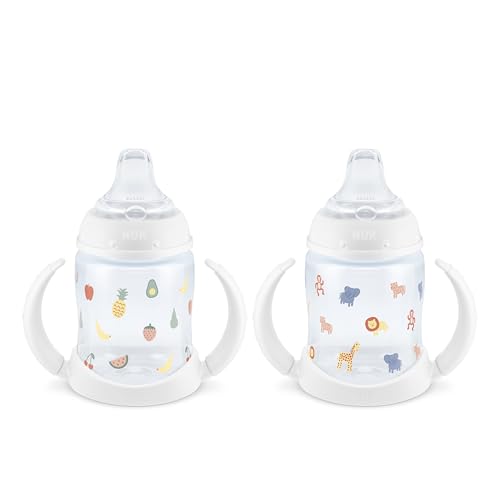
The NUK Learner Cup is designed for a smooth switch from bottle to cup. It features easy-to-hold anti-slip handles that are removable as the child grows. The spill-proof soft spout is gentle on gums while teaching drinking from a spout. Best for parents seeking a gentle, gradual transition with growth flexibility for a 6+ month baby.
Who it’s best for: caregivers prioritizing a gentle transition with dependable spill resistance and removable handles. Why selected: strong track record for transition cups and practical design for early cup use. Caution: spout wear over time may require occasional replacement to maintain a gentle sip.
Dr. Brown’s Milestones Baby’s First Straw Cup

This cup uses a weighted soft silicone straw that moves with the liquid, enabling sipping from any angle. Side-grip handles are easy for small hands, and the cup’s contoured shape supports growing grip and control. Best for: babies progressing from sippy cups who benefit from a straw mechanism. Why selected: it emphasizes flexibility in sipping directions and comfort as skills develop. Caution: weighted straw may require more cleaning attention to prevent residue buildup.
The First Years Squeeze & Sip Toddler Cup
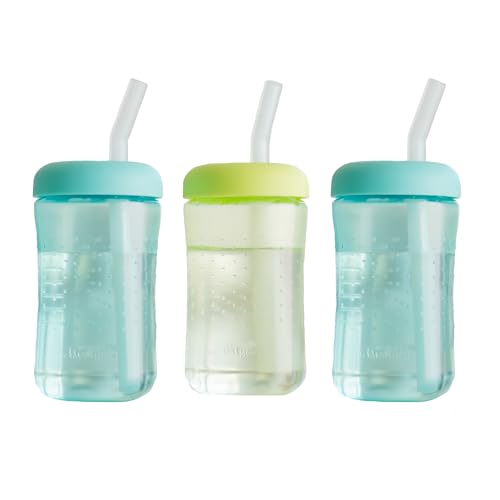
This trainer cup uses a squeezable design and a valve-controlled silicone straw to manage flow. It transitions well from training to everyday use for beverages. Best for: early learners who respond to tactile, squeezable training and want longer use as they grow. Why selected: provides a clear progression from training to regular use. Caution: colors may vary, which can be distracting for some caregivers.
Nuby Clik-It Grip N’ Sip Cup (3-Pack)

This 3-pack features a soft silicone spout and a built-in TOUCH-FLO valve that opens only when sipping, helping to minimize spills. Anti-slip handles and a contoured base suit little hands. Best for: households needing multiple cups for caregivers or daycare. Why selected: good value and reliable spill-proof performance. Caution: small parts if the lid is detached during cleaning; ensure assembly is complete before use.
Munchkin Miracle 360 Sippy Cup
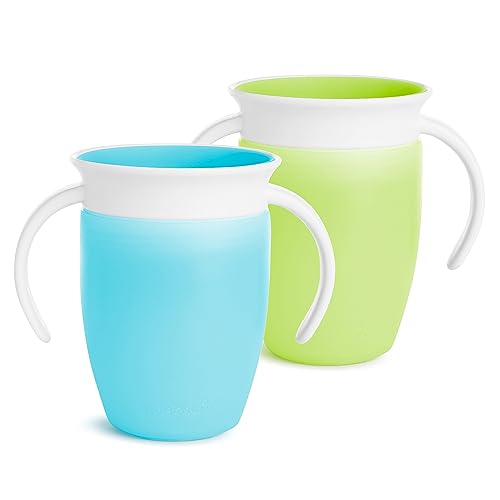
The Miracle 360 cups feature a spill-proof 360-degree drinking edge that lets babies sip from anywhere around the rim. It’s designed to encourage normal mouth muscle development without a traditional spout. Best for: toddlers ready to practice ordinary cup drinking while still minimizing spills. Why selected: strong leak-proof reputation and dentist-recommended design for transition. Caution: cleaning around the 360 edge requires thorough access to all surfaces to maintain hygiene.
Buying Guide: Choosing the Right Cup For Your 8 Month Old
What to look for when selecting an 8-month-old cup:
- Transition readiness: choose between soft-spout, weighted straw, or 360-edge cups based on your baby’s current skills and milestones.
- Spill control: consider valves and lids that limit leaks when tossed or dropped.
- Grip and growth: look for handles that are easy to hold and removable as the child grows.
- Cleaning: prioritize designs with wide openings, simple parts, and dishwasher-safe components for easier maintenance.
- Durability: select BPA-free cups with sturdy materials that withstand daily use and washing.
- Portability: for families on the go, choose cups with secure lids and compact sizes that fit bags and cups holders.
- Caregiver needs: consider multi-pack options for households or daycare settings to simplify rotation and cleaning schedules.
Quick buyer tips
For a gentle start, pick a cup with a soft-spout and removable handles to accommodate growing grip. If you want to encourage independent sipping from angles, a weighted straw design can help. If your goal is mess-free practice, a 360-degree edge that seals when not in use is valuable.
FAQ
- What age should I start using a sippy cup?
Most babies begin around 6 months as they transition from bottle to cup, with options that suit different skill levels.
- Are weighted straws safe for 8-month-olds?
Weighted straws are designed to move with liquid and can aid early straw drinking; always supervise and choose BPA-free products.
- Is a 360-degree cup better than a traditional cup?
360-degree cups minimize spills and encourage normal drinking motion, but require careful cleaning around the rim.
- How do I clean these cups effectively?
Disassemble parts, rinse promptly after use, and wash with warm soapy water or place dishwasher-safe parts on the top rack.
- Can I use these cups with other liquids besides water?
Yes, they are suitable for milk or juice, but avoid acidic or sugary drinks frequently to protect oral health.
- Which cup is best for daycare?
Multi-pack options with durable lids and easy-clean parts are ideal for daycare settings where multiple caregivers use the same cups.