Choosing the right cup for a 10-month-old helps support safe self-feeding, tooth development, and transition from bottle to cup. The best options balance spill resistance, easy grip, and a design that grows with a child’s changing abilities. This guide highlights five top cups from trusted brands, with clear guidance on who each cup is best for and why. Ideal for caregivers seeking durable, developmentally appropriate choices for at-home use, daycare, or travel. Below is a quick buying summary for easy comparison.
| Product | Best For | Why It Stands Out |
|---|---|---|
| Nuby 3 Piece No-Spill Grip N’ Sip Cup | First-time sippy cup users | Clik-It lid, no-spill valve, easy-grip handles |
| NUK Learner Straw Cup 10oz | Transition to a straw | Weighted straw follows liquid; easy-grip handles |
| Dr. Brown’s Milestones Straw Cup (Coral/Olive Green) | Growing confidence with weighted straw | Weighted straw, removable handles |
| Moonkie Silicone Baby Sippy Cups (4 oz) | Family seeking multi-stage design | Three-in-one design: straw, spout, open cup |
| NUK Learner Cup 5 Oz (2-pack) | Budget-friendly, starter transition | Soft spout, easy-grip handles, spill-proof |
Nuby 3 Piece No-Spill Grip N’ Sip Cup

The Nuby Clik-It No-Spill Soft Spout Sippy Cup holds up to 10 ounces and is designed for spill-prone babies. The soft silicone spout is gentle on gums, and the built-in Touch-Flo valve opens only when sipping, reducing messes. The Clik-It lid supports independent drinking, while the cup’s handles and contoured base are easy for small hands to grip. Best for infants starting sippy-cup use and toddlers who need reliable leakage control. A limitation: the valve mechanism requires regular cleaning to maintain spill protection.
NUK Learner Straw Cup 10oz

This 10-ounce trainer cup uses a 100% soft silicone weighted straw that follows liquid as the cup tilts, enabling sipping from any angle. It supports a smooth transition from bottle or soft-spout to a straw cup, with removable, easy-grip handles that aid early milestones. Choose this if your child is ready to practice straw drinking, but avoid if they struggle with managing a straw during wobbly moments. Some parents may prefer a cup with a wider mouth for easier cleaning.
Dr. Brown’s Milestones Straw Cup (Coral/Olive Green)

This 9 oz weighted-straw cup is designed to ease bottle-to-cup transition with a soft silicone weighted straw that moves with the liquid. The side-grip handles are easy for little hands, and the cup is contoured with removable handles to grow with a child’s cup-holding skills. Best for toddlers who want a more traditional straw experience. Limitation: some users may find cleaning the straw more involved due to the flexible design.
Dr. Brown’s Milestones Straw Cup (Dark Blue)

Another Dr. Brown’s option in a dark blue variant, this 9 oz weighted straw cup shares the same design benefits—soft weighted straw, easy-to-grip handles, and a growth-friendly contoured shape. Best for households already aligned with Dr. Brown’s feeding products or parents seeking consistency. A potential drawback is the need for careful cleaning to prevent straw buildup in hard-to-reach areas.
NUK Learner Cup, 5 Oz (2-Pack)
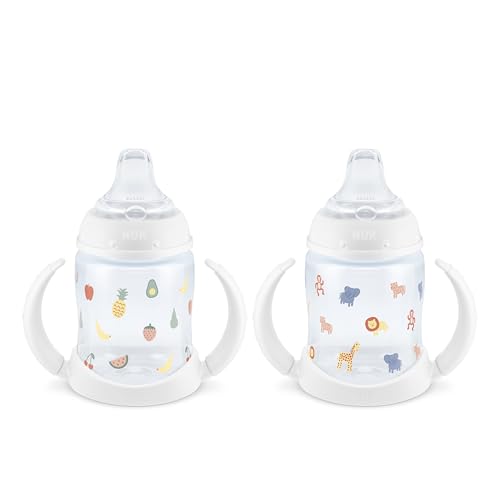
This two-pack from NUK provides a budget-friendly option with a spill-proof soft spout and easy-grip, anti-slip handles that detach as your child grows. The compact 5-ounce size is helpful for practicing with smaller portions and for travel. Best for budget-conscious caregivers and families starting cups, but it’s smaller than the 9-ounce models, so it may require more frequent refills for thirsty toddlers.
Buying Guide
Key purchase considerations help ensure the chosen cup matches your child’s development stage and daily routine.
- Spill resistance vs. accessibility: Does the cup prioritize leak-proof performance or easy sipping for beginners?
- Weight and mouthfeel: Are weighted straws or soft spouts gentler on gums and teeth?
- Handles and size: Do the handles suit a child’s grip, and is the cup comfortable to hold for small hands?
- Growth potential: Can the cup transition from sippy to straw or open cup as skills progress?
- Cleaning needs: Are there multiple parts or narrow straws that may complicate cleaning?
- Portability: Is the cup travel-friendly and durable for daycare or on-the-go use?
Frequently Asked Questions
- When should I introduce a sippy cup to a 10-month-old?
– Introduce around this age to support self-feeding, with supervision to ensure safe use. - What features reduce messes the most?
– No-spill valves, soft spouts, and secure lids help minimize spills during play and travel. - Are weighted straws appropriate for toddlers?
– Yes, they help sipping in any direction but require instruction on proper use and regular cleaning. - How do I choose between a straw cup and a traditional spout cup?
– Consider your child’s current skills and future goals; straw cups support advancing drinking skills, while spouts are simpler for early stages. - How often should I replace cups?
– Replace if cracks, leaks, or wear compromise safety or hygiene; inspect for tears around handles and spouts regularly. - Can I mix and match cups for a child’s transitions?
– Yes; offering a variety can help a child adapt to different drinking styles and contexts.