Door jumpers can help babies explore movement, strengthen legs, and build core muscles in a supervised setting. This guide highlights five top picks, focusing on safety, adjustability, and ease of use. Each product is evaluated for parents seeking simple setups, durability, and value. The top selections are best for different needs: quick setup in standard doorframes, extended play sessions, or models with interior- or ceiling-mounted options. The table below offers a quick snapshot to help you compare at a glance.
| Product | Best For | Weight Limit |
|---|---|---|
| Bright Starts Playful Parade Door Jumper | Easy, tool-free setup for most interior doorframes | 26 lbs |
| Bright Starts Purple Paradise Door Jumper | Height-adjustable, travel-friendly option | 26 lbs |
| Bright Starts Bounce ‘n Spring Deluxe Door Jumper | Compact, quick-use jumper with adjustable strap | 26 lbs |
| Slevoo Baby Jumper | Doorway compatibility with specific frame sizes | 16 kg (≈35.2 lbs) |
| Jolly Jumper Iconic | Classic, reliable option for long-term use | 28 lbs |
Bright Starts Playful Parade Door Jumper
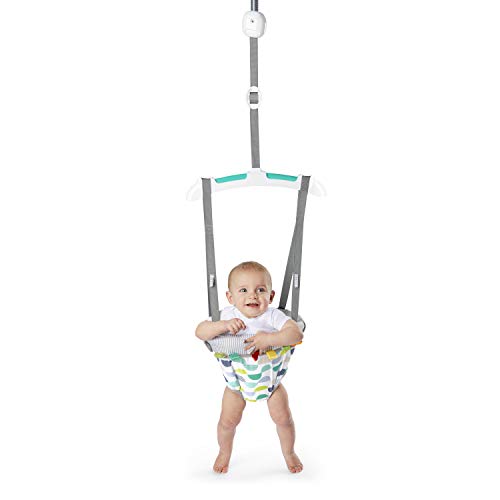
Best for quick setups in standard interior doorways, the Bright Starts Playful Parade Jumper emphasizes compact design and tool-free installation. It fits most door frames when wall thickness falls within 4–5 inches and trim thickness is at least .5 inches. Suitable for babies who can sit up unassisted (about 6 months) and weigh under 26 lbs. The clamp-and-go design enables fast removal for travel or storage. User guidance highlights proper securing at the door center to minimize slipping.
Who it’s best for: parents seeking a straightforward, no-tools option for everyday use in typical interior doors. Why chosen: reliable clamp system, lightweight setup, and straightforward adjustment for growing infants. Caution: door frame compatibility is specific to thickness and trim; verify your doorway meets the stated requirements before purchasing.
Bright Starts Purple Paradise Door Jumper

The Purple Paradise model is designed for babies 6–12 months and up to 26 lbs, with a height-adjustable setup. Its travel-friendly design makes it a strong pick for families on the move. This jumper emphasizes core development as babies sit up and bounce, with a clamp-and-go system and clear instruction to center the device on the door for stability. Height adjustability helps accommodate growth over several months of use.
Best for: families needing a door jumper that travels well and grows with the child. Why chosen: strong manufacturer reputation in activity jumpers and a simple height-adjustable design. Limitation: still depends on a compatible interior door frame; verify wall thickness and trim specs before installation.
Bright Starts Bounce ‘n Spring Deluxe Door Jumper

This Deluxe version from Bright Starts offers a compact footprint with an adjustable strap, designed for use when the baby can sit up (about 6 months) and weighs under 26 lbs. The “Clamp and go” approach makes setup quick for busy households. Ensure proper center alignment in the door to minimize wobble during play.
Best for: parents wanting a familiar Bright Starts option with a straightforward clamp system. Why chosen: consistent performance known from the brand and a compact design suitable for smaller living spaces. Caution: door frame compatibility remains essential; verify dimensions before purchase.
Slevoo Baby Jumper
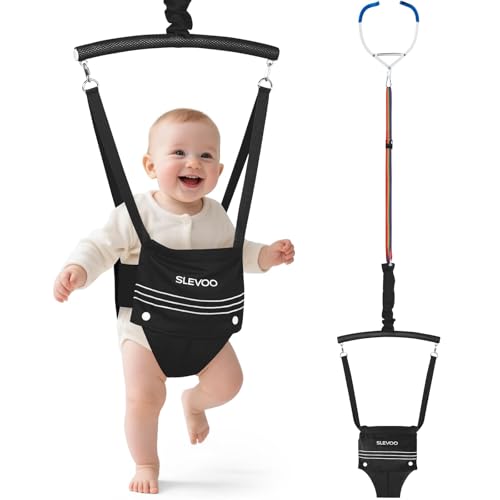
The Slevoo jumper specifies doorway compatibility for frames from about 80″ to 87″ high and wall thickness between 4 and 12 inches, with a trim thickness of at least 0.5 inch. It encourages physical development by strengthening legs and improving coordination during bouncing. Use is recommended for babies approximately 6 months to just before walking age, with a maximum weight around 35.2 lbs (16 kg). Limit use to 15–20 minutes under adult supervision.
Best for: households with tall door frames needing a secure, frame-specific option. Why chosen: explicit compatibility guidance helps reduce setup risks. Limitation: not suitable for doorways outside the specified height and thickness ranges; verify your frame dimensions first.
Infant Master Baby Doorway Jumpers

The Infant Master jumper emphasizes a sturdy, adjustable strap and a soft seat bag that supports upright posture during bouncing. It supports babies up to about 24 months or 35 lbs, depending on the model, and features a breathable seat bag that can be removed for cleaning. The design aims to reduce unnecessary strain on the spine while allowing parent-child interaction during play.
Best for: parents seeking a sturdy, all-around option with a breathable seat and easy cleanup. Why chosen: emphasis on safe posture and adjustable height, with a robust door-frame clamp. Caution: ensure your door frame and trim thickness match the product’s specified requirements to avoid instability.
Buying Guide
What to look for when choosing a door jumper
- Door frame compatibility: verify wall thickness, trim thickness, and height. Some models require specific measurements to ensure safety and stability.
- Weight limit and age range: ensure the jumper supports your baby’s weight and age for safe bouncing.
- Adjustability: prefer models with adjustable height to accommodate growth and doorframe differences.
- Seat and materials: look for a comfortable seat with breathable materials and easy cleaning options.
- Safety features: check for secure clamps, center alignment guidance, and a design that minimizes slipping or tipping.
Which type fits your home best?
- Tool-free clamps are ideal for quick setup in standard interior doors.
- Height-adjustable travelers are best for families who move the jumper between rooms or homes.
- Ceiling-hook or fixed-pole models suit homes with appropriate ceiling anchors and larger play space.
Safety considerations and setup best practices
- Only use in interior door frames that meet the manufacturer’s specified dimensions.
- Always secure the jumper at the door frame’s center and inspect clamps before each use.
- Limit bouncing sessions to 15–20 minutes for younger babies and monitor for signs of fatigue.
- Supervise at all times and ensure the baby’s feet cannot reach or get tangled with the clamp or springs.
Materials, maintenance, and care
- Seek breathable seat fabrics and easy-clean materials, especially for machine-washable seat bags.
- Inspect springs and hardware for rust or wear; replace if wear is observed.
- Disassemble and store in a dry place when not in use to extend product life.
FAQ
- What age should a baby use a door jumper? Typically when a baby can sit up unassisted and has good head control, commonly around 6 months, but follow the manufacturer’s guidance for each model.
- Can a door jumper replace supervision? No. Always supervise babies during use and follow time limits to prevent fatigue or injury.
- How do I know if my door frame is compatible? Check the wall and trim thickness ranges specified by the product and measure your doorway accordingly.
- Are door jumpers safe for long-term use? Use as part of a varied activity routine and follow weight and age limits to ensure ongoing safety.
- What maintenance is required? Regularly inspect clamps, springs, and seat materials; clean seat fabrics as recommended by the manufacturer, and store properly when not in use.
- Can door jumpers be used outdoors? Some models include indoor-outdoor use information; if allowed, ensure weather conditions are safe and that the doorway is secure.