Looking for a secure, comfortable sleep solution for your baby, from swaddle transition to wearable blanket? This guide focuses on 0-18 month sleep sacks that help reduce startle reflex, regulate temperature, and simplify night-time diaper changes. The top picks below are categorized to fit different needs, from lightweight year-round options to warmer, 2.5 TOG designs for cooler nights. Each product is evaluated for best suitability, potential limitations, and who should consider them.
Summary of selected products for quick comparison:
| Product | Brand | Best For | Key Benefit |
|---|---|---|---|
| ZIGJOY Sleep Sack Swaddle | ZIGJOY | 0-12 months; early swaddle transition | Three wearable configurations for gradual weaning from swaddle |
| BubblePanda Sleep Sack | Okayinn | Breathable, temp-regulated nights | Soft bamboo rayon fabric with good moisture control |
| Baby Deedee Sleep Nest Original | baby deedee | Cooler to moderate nights; 18-36 months | Patented shoulder snaps for easy dressing |
| Little Mo 20 Down Sleeping Bag | Morrison Outdoors | 6-18 months; extra warmth | 100% down fill with secure collar and zip design |
| GUNAMUNA Sleep Sack | GUNAMUNA | Late-night diaper changes | WONDERZiP fast-access zipper |
ZIGJOY Sleep Sack Swaddle 1.0 Tog
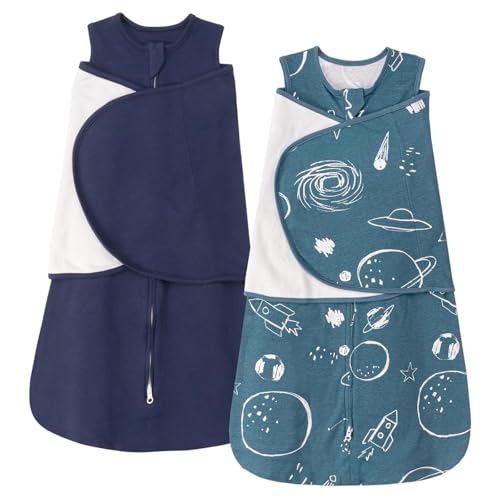
Best for infants transitioning from swaddle to a sleep sack. ZIGJOY offers three wearing configurations: arms-in to reduce startle, arms-up for self-soothing, and arms-out to support transition through 0-12 months. Sizes are weight-based to fit 10-18 lbs (Size S) and 18-24 lbs (Size M). The two large wings and hook-and-loop fasteners secure a snug wrap, while a two-way zipper enables quiet diaper changes without waking baby. Caution: ensure proper neckline fit to avoid restricted movement or discomfort.
BubblePanda Sleep Sack 6-12 Months

Best for babies who need breathable, moisture-wicking comfort. BubblePanda uses rayon made from bamboo with 3% spandex for softness and stretch. The fabric is hypoallergenic and highly breathable, helping regulate body temperature. A deeper, narrower neckline and a zipper protector reduce choking risk and skin irritation. Choose this if you want a lightweight, temperature-regulating sleep sack for year-round use. Limitation: bamboo blends can feel warmer in very hot climates if not paired with lighter sleepwear.
Baby Deedee Sleep Nest Original
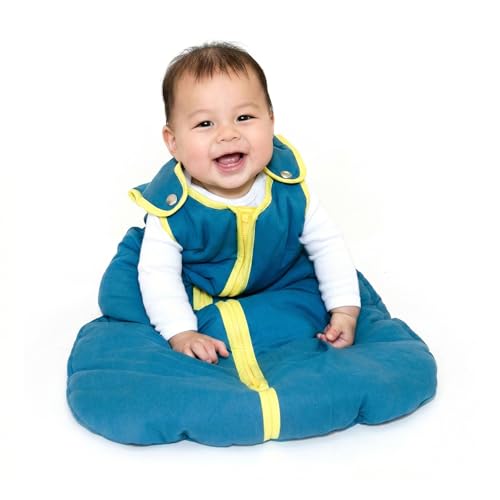
Best for cooler nights and growing sleepers. The Sleep Nest uses soft cotton outer fabric with a lightly quilted interior, providing warmth without bulk. It features patented shoulder snaps that simplify dressing, allowing quick transitions between sleep and play without fully removing the baby from the sack. Ideal for babies from 18 to 36 months. Caution: ensure TOG rating suits room temperature for optimal comfort.
Little Mo 20 Down Sleeping Bag

Best for the coldest rooms or colder seasons. This ultralight yet warm sleeping bag uses 100% RDS-certified down with internal baffles to prevent cold spots. The design has no hood or drawstrings for safety and includes a snug collar to minimize baby slipping. It fits babies 6-18 months and zips bottom-up for easy diaper changes. Limitation: down insulation adds bulk, so ensure the sack fits comfortably within sleep space and under blankets as needed.
GUNAMUNA Sleep Sack with WONDERZiP

Best for quick diaper changes and secure nighttime routines. GUNAMUNA’s WONDERZiP allows fast access without fully unzipping, keeping babies warm during changes. The sleep sack uses soft rayon fabric to provide a comfortable feel against skin and supports a frog-leg sleeping position for natural movement. Choose this if you want a balance of warmth, ease of use, and a snug fit. Caution: ensure the zipper area is fully closed to maintain warmth integrity throughout the night.
Buying Guide
What TOG rating do you need? Battery of temperatures differs by TOG: 0.5–1.0 for warm rooms; 1.0–2.5 for cooler nights. Consider your home climate and the room’s typical temperature.
Which features matter most? Prioritize ease of dressing (shoulder snaps, zipper design), a secure fit around the neck and hips, and a two-way zipper for quick diaper changes. Look for breathable fabrics to reduce overheating and skin irritation.
What size should you buy? Use your baby’s weight and height against each product’s size chart. A snug fit prevents bunching and ensures safe hip movement, while too-large sacks can pose suffocation or slipping risks.
Safety considerations. Avoid sacks with loose fabrics near the face. Choose designs without cords, hood strings, or dangling accessories. Ensure there is no risk of the baby’s hands slipping into sleeves in a way that could pose a safety issue.
Usage tips. Transition gradually from swaddle to the sack by using the arms-in and arms-up options before moving to arms-out. For night diaper changes, select sacks with two-way zippers and consider a zipper guard to protect delicate skin.
FAQ
- What is a sleep sack and who should use one? A sleep sack is a wearable blanket that helps regulate temperature and reduces startle reflex, suitable for babies from newborn to toddler ages depending on size and tog rating.
- What is a good TOG for all seasons? A range from 0.5 to 2.5 TOG covers most climates; lighter sacs for warm rooms, heavier for cool nights, with some products offering 1.0–1.5 TOG options.
- Are there safety concerns with sleep sacks? Yes. Ensure a snug neck opening, no loose fabric near the face, and no drawstrings or hood cords. Check for safe zipper designs and avoid over-bundling.
- How do I choose the right size? Match the baby’s current weight and height to the manufacturer’s size chart. A proper fit allows hip movement and prevents fabric from covering the face.
- Can sleep sacks replace blankets? Yes, sleep sacks can replace loose blankets for safer sleep, while still providing warmth and comfort during sleep.
- When should I stop using a sleep sack? When your child outgrows the sack or reaches the maximum weight/height for the size, or when they begin to climb out of it safely.