Answering the common question “which ear covers are best for kids who swim,” this guide highlights five practical options designed to protect young ears from water while swimming, bathing, or showering. Each product targets specific needs—whether you want simple water blocking, a headband solution to hold earplugs, or a sensory-friendly option for children with ear sensitivities. This overview helps parents choose based on ease of use, fit, and skin safety, with clear notes on who each item is best for. The summary table below pairs each product with its key use case for quick comparison.
Summary of Selected Products
- Kingdder 60 Pcs Baby Ear Covers: Best value set for newborns and toddlers needing basic water protection during baths.
- Earvolution Ear Band-It Ultra (Sea Life): Best for kids with ear tubes or sensitive ears needing secure, premium protection.
- FNGXX Kids Swimming Ear Plugs (3 Pairs): Best for reusable, budget-friendly silicone ear protection for school-age children.
- saicheek 60-Pack Silicon-Gel Ear Covers: Best for easier application and removal with a skin-friendly silicone gel film.
- MoKo Kids Lovely Waterproof Headband: Best for older kids and teens who want a headband that holds earplugs in place.
Kingdder 60 Pcs Baby Ear Covers For Bath

What it is best for: Newborns and babies needing basic water protection during showers and baths. These covers aim to keep water from entering the ears and ease the bathing experience for caregivers.
Why chosen: Simple, oval designs that fit around small ears and include a cotton ball with an outer clear film for extra coverage. Ideal for parents seeking a large quantity at a budget-friendly price.
Limitations to consider: Not explicitly described for aggressive water activities like snorkeling or surfing. Best used during gentle water exposure and baths.
Earvolution Ear Band-It Ultra (Sea Life)
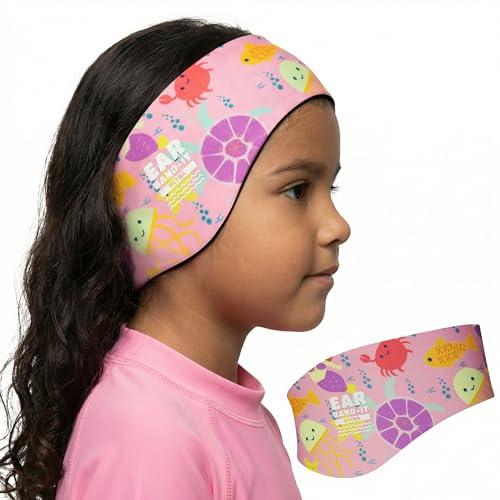
What it is best for: Kids with ear tubes or those who need a secure, water-tight barrier, especially during swimming with Putty Buddies earplugs (sold separately).
Why chosen: Doctor-invented, American-brand headband designed to prevent water entry and keep plugs in place. Sensory-friendly compression makes it suitable for neurodivergent children seeking calm support.
Limitations to consider: Requires compatible earplugs for optimal waterproofing; not a standalone plug solution.
FNGXX Kids Swimming Ear Plugs (3 Pairs)

What it is best for: Budget-friendly, reusable silicone plugs for ages 4-12, suitable for swimming, showering, and other water activities.
Why chosen: Comfortable, soft silicone with an anti-slip design to minimize leakage and prevent slipping during water play. Reusable and easy to clean, which helps families manage ongoing swimming routines.
Limitations to consider: May require additional protective headgear if precise ear protection isn’t sufficient in choppy water or active sports.
saicheek 60-Pack Silicon-Gel Ear Covers

What it is best for: Parents seeking a larger pack with a skin-friendly silicone-gel film for easy sticking and painless removal during baby baths and swimming.
Why chosen: New silicone-gel design emphasizes comfort and easy removal, plus a large count helps favor larger families or frequent swimmers.
Limitations to consider: The kit requires proper application to ensure a snug seal; effectiveness depends on skin sensitivity and correct sizing for each child.
Mack’s Swimming Headband (USA Swimming)
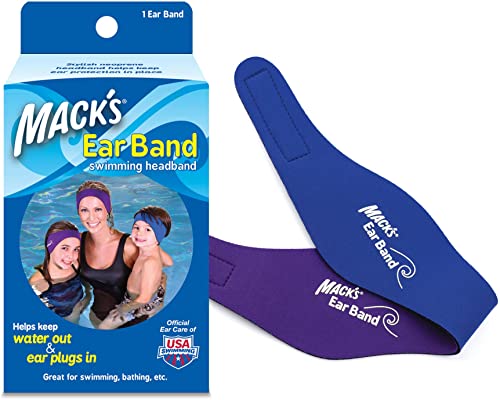
What it is best for: Older kids and teens who want a headband that holds earplugs in place and adds a protective layer over the ears during water activities.
Why chosen: Doctor-recommended design, proven use with insertable plugs, and a secure fit that helps reduce ear irritation and swimmer’s ear risk during extended swimming sessions.
Limitations to consider: Works best with compatible earplugs and may be less discreet for younger children who prefer smaller, less noticeable gear.
Buying Guide: How To Choose The Right Ear Covers For Your Child
- Age and head size: For newborns and toddlers, start with smaller, skin-friendly sticks like Kingdder. For older children, consider headbands or larger caps that fit more securely.
- Water exposure level: Simple bath protection suffices for routine showers, while swimming lessons or pool days may require a combined headband with plugs (Ear Band-It or Mack’s pairing).
- Skin sensitivity: Look for silicone-gel or soft neoprene materials if your child has sensitive skin or a history of irritation.
- Reuse and cleaning: Choose reusable silicone options if you swim frequently and want to sanitize after each use. Ensure easy cleaning and storage.
- Ease of use: For younger kids, captivate with simple designs and quick application. For older kids, a secure headband may be preferred to hold plugs in place during active play.
Frequently Asked Questions
- Are ear covers safe for newborns? Yes, but choose designs specifically sized for small ears and soft materials to minimize irritation.
- Will these protect against all water during swimming? They substantially reduce water entry but may not block all water in rough waves; combine with plugs when full protection is needed.
- How do I choose between a headband and ear covers? Headbands are better for older kids who need secure plug retention; simple covers work well for younger children during baths.
- Can these be used for showers and baths alike? Most are designed for both; verify product notes for full submersion suitability.
- How should I clean and store them? Rinse after use, dry completely, and store in a clean container to prevent bacteria growth.
- Do these prevent swimmer’s ear? They reduce exposure to water, which lowers risk, but consult a clinician for persistent ear-ear issues or tubes.