Finding reliable ear protection for babies requires balancing safety, comfort, and practicality. This guide highlights five top options that address different needs—from sleep-friendly earmuffs to gentle silicone plugs for pool days. It’s tailored for parents, caregivers, and guardians seeking effective, baby-safe solutions for noisy environments, travel, swimming, and everyday exposure.
Summary of selected products:
| Product | Best For | Why It Stands Out |
|---|---|---|
| Floriogra Baby Headphones | 0-36 months, sleep and quieting | 25 dB noise reduction with zero-pressure fontanelle design |
| Alpine Muffy Baby Ear Protection | Growing with your child, travel and events | Adjustable, soft padding, CE & ANSI certified |
| Mack’s Soft Moldable Silicone Putty Ear Plugs | Swimming and water activities | Moldable, water protection, doctor-trusted brand |
| WaterDam A-Series Swimming Ear Plugs (Infants/Toddlers) | Water safety, swimming and baths | Two-layer flanges for waterproofing and safety |
| Baby Earmuffs 25dB (YomauiYee) | Air travel, concerts, fireworks | Fontanelle-safe design, BPA-free and hypoallergenic |
Floriogra Baby Headphones for Noise

Best for: 0-36 month olds needing gentle, shielded sleep and quiet play. These earmuffs are designed to protect delicate hearing with a 25 dB reduction. The zero-pressure fontanelle design helps prevent discomfort on soft skulls, making them suitable for long wear, including naps.
Why selected: The combination of infant-safe materials (BPA-free ABS shell, soft PU padding) and a reinforced build offers durability without harsh chemicals. The wide headband minimizes pressure on the fontanelle, which is crucial for younger babies.
Limitations: While effective at reducing ambient noise, they may not be ideal for environments with very sudden high-frequency sounds that require higher attenuation. Always monitor for fit and comfort, especially during long wear.
Alpine Muffy Baby Ear Protection

Best for: Babies and toddlers up to 36-48 months who need adjustable, comfortable protection during travel, events, or fireworks.
Why selected: These earmuffs grow with your child thanks to an adjustable headband and soft padding. They’re designed to minimize pressure and maximize comfort during extended wear, which is essential for sleep or quiet time in noisy settings.
Caution: Ensure a proper seal without over-tightening; improper fit can reduce effectiveness. Regularly inspect the foam and padding for wear.
Mack’s Soft Moldable Silicone Putty Ear Plugs
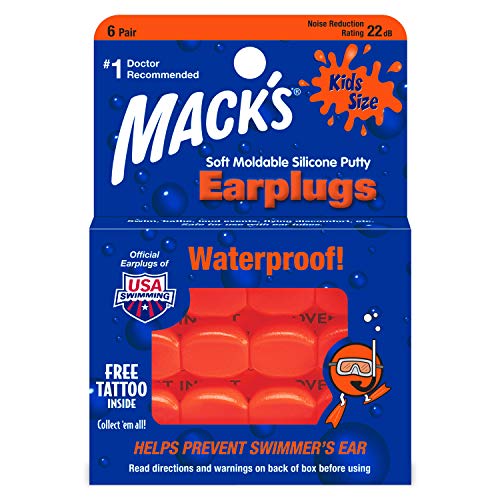
Best for: Kids up to 6 years old needing protection during swimming, bathing, and travel, with a soft, moldable fit.
Why selected: Mack’s is a trusted, doctor-recommended brand for pediatric ear protection. The putty formula creates a comfortable seal, helping prevent water-related ear issues while limiting noise exposure in public spaces.
Caution: Not designed for long-term continuous wear; remove when swimming breaks or playing quiet games to avoid hearing pressure buildup. Ensure proper sizing for younger children.
WaterDam A-Series Swimming Ear Plugs

Best for: Infants and toddlers who swim or participate in water-based activities, including baths and pool time.
Why selected: These ear plugs emphasize safety with a one-piece design that minimizes the risk of foreign objects entering the ear canal. The dual-layer waterproof flanges enhance water protection while remaining heat-tolerant and skin-safe.
Caution: While highly waterproof, ensure a proper seal and discontinue use if there is any discomfort or irritation in the ear area.
Baby Earmuffs 25dB (YomauiYee)

Best for: Babies and toddlers up to 36 months needing reliable protection during flights, concerts, fireworks, or loud gatherings.
Why selected: Fontanelle-safe design with a soft, pressure-free headband reduces risk to developing fontanels while offering consistent 25 dB noise reduction. They’re also foldable for storage and travel.
Caution: As with all ear protection, ensure a comfortable, non-pinching fit and avoid over-tightening during long outings.
Buying Guide: How to Choose the Right Baby Ear Protection
- Age and growth: Check weight and age guidelines. Babies’ heads grow rapidly, so adjustable designs help maintain fit over time.
- Noise reduction level: For flights and concerts, aim for around 20-25 dB. For sleeping in noisy environments, 25 dB is commonly recommended, but comfort matters more than higher attenuation.
- Material safety: Look for BPA-free shells, hypoallergenic padding, and CE/ANSI certifications when available. Skin sensitivity is a key factor for babies.
- Fit and comfort: Zero-pressure designs on newborn fontanelles reduce discomfort. Ensure soft padding and an adjustable headband to avoid red marks.
- Water protection: If swimming is a primary use, pick products with waterproof seals and safe, moldable materials designed for water exposure.
- Portability and storage: Foldable earmuffs and compact plugs are easier to carry on trips and in bags.
- Usage scenario: Distinguish between sleep protection, travel noise, and water-related needs to select the most suitable option.
FAQ
- Are baby ear protectors safe for long-term use? Yes, when used as directed and fitted properly, they can be safely worn for short to moderate periods. Always monitor for discomfort.
- What’s the difference between earmuffs and earplugs for babies? Earmuffs provide full outer-ear attenuation, while earplugs provide targeted sealing for the ear canal, useful in water exposure or very noisy environments.
- Can these products help with sleep during travel? Yes, many babies sleep better with earmuffs or cushioned designs during flights or busy events.
- Do these products come in different sizes? Some models offer adjustable headbands or multiple sizes; others are designed to fit a narrower age range. Always verify fit before use.
- Are there any safety concerns with ear protection for newborns? Avoid small parts that could detach, and choose products with soft materials and family-approved certifications.
- How do I know if the fit is correct? The ear cups should completely surround the ears without pressing the fontanelle. The headband should be snug but not tight.