Yes—these are the best first crayons for babies and toddlers when you need safe, easy-to-grip art tools. This guide highlights top picks for babies aged 1 and up, focusing on natural materials, non-toxic pigments, easy-hold shapes, and minimal mess. Each option is suited to different needs—gentle textures for tiny hands, durable designs for active toddlers, and washability for quick cleanup. See the quick reference table below to compare key attributes at a glance.
| Product | Best For | Material Notes | Mess Factor |
|---|---|---|---|
| Honeysticks 100% Pure Beeswax Crayons | Toddlers who want strong color & a pleasant scent | Natural beeswax, food-grade colors | Low |
| MIROLA KIDS 100% Pure Beeswax Crayons | Little artists who need durable, washable options | Beeswax, food-grade pigments | Medium |
| Crayola My First Palm Grip Crayons | First scribbles with ergonomic grip | Non-toxic pigments, palm-grip shape | Low |
| Crayola My First Triangular Crayons | Teaching proper grip | Triangular for stable hold | Low |
| Jar Melo Mess Free Beeswax Crayons | Mess-prone homes or quick cleanup | Beeswax, food-grade pigments | Low |
Honeysticks 100% Pure Beeswax Crayons

Best for parents seeking natural materials and a pleasant beeswax aroma. Honeysticks is handmade in New Zealand using natural beeswax and food-grade colors, avoiding petroleum-based paraffin. The chubby 2.2-inch length and 0.8-inch diameter offer a sturdy grip that’s hard for little hands to break, reducing frustration during early art sessions. The color range includes 12 bright hues that cover primary and secondary tones, enabling bold drawings with minimal breakage.
Who it’s best for: babies and toddlers who benefit from a scent-guided, sensory-friendly experience and parents who prioritize clean, residue-free coloring. Better for: households that value natural materials and simple cleanup. Caution: surfaces and fabrics can still pick up color; use with paper or a washable surface to minimize staining.
MIROLA KIDS 100% Pure Beeswax Crayons

Best for parents who want durable, washable crayons with a natural base. These crayons use pure beeswax and food-grade pigments, designed to be gentle for babies and toddlers. They’re described as unbreakable and long-lasting, reducing frequent replacements. The washable design helps clean up doodles from walls and furniture with minimal effort, which is ideal for busy households.
Who it’s best for: families needing longer-lasting crayons and easier cleanup. Choose this if you want a strong balance between safety, color vibrancy, and washability. Limitation: some users may prefer stronger odor cues from natural beeswax—if aroma matters, test first in a small area.
Crayola My First Palm Grip Crayons
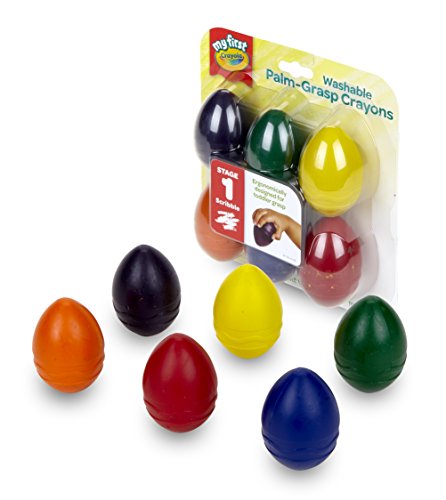
Best for introducing toddlers to color exploration with an ergonomic, palm-friendly shape. These 6 egg-shaped crayons are sized to fit tiny hands, supporting early motor skills and a confident scribble. They’re designed to be easy to grip and to encourage a proper writing posture as kids grow into larger writing tasks. Washability makes cleanup straightforward for busy caregivers.
Who it’s best for: toddlers just starting to color, who need a stable grip and less chance of dropped pieces. Choose this if your child is transitioning from finger paints to pencils. Caution: the crayon base is egg-shaped rather than round, which may feel unfamiliar to some toddlers at first.
Crayola My First Palm Grip Crayons, 6 Count

Best for color variety in a compact set. This Crayola option features six palm-grip crayons with red, orange, yellow, green, blue, and purple hues. The ergonomic design aids comfortable gripping for little hands and supports early color exploration and coordination. Washable pigments help keep mess manageable for parents and caregivers.
Who it’s best for: children who prefer a compact starter set with friendly colors and an easy hold. Choose this if you want a simple, reliable option from a familiar brand. Limitation: color range is limited to basic colors, which may require additional sets for broader palettes.
YSNYSN 8 Colors Baby Crayons

Best for minimal odor and smooth, vibrant coloring. These crayons are designed for children ages 1 and up, with no odor and food-grade pigments. The bottle-nipple drawing feature can offer delicate lines and larger areas of color, making it a versatile choice for early scribbles and controlled coloring. They are marketed as easy to wash off paper and surfaces.
Who it’s best for: households seeking low-odor, non-irritating coloring tools. Choose this if you want a baby-friendly option with a slightly different grip approach. Limitation: some users may prefer a more traditional crayon texture for older toddlers practicing precise strokes.
Soy & Beeswax Crayons for Toddlers
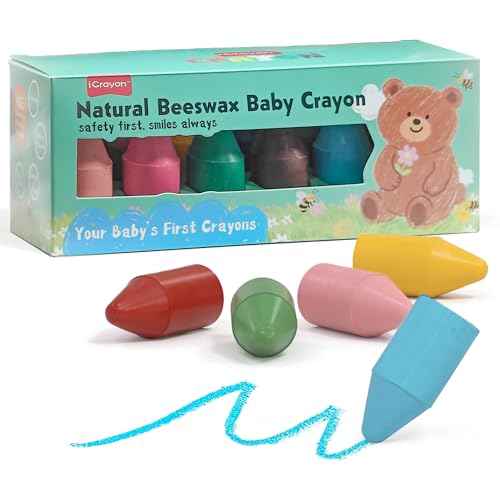
Best for a blended wax base with cosmetic-grade pigments. These crayons combine soy and beeswax for a smooth texture that’s gentle on little hands. The chunky, easy-grip design supports early handwriting development while enabling bright, saturated color output. They are designed to be unbreakable and durable for frequent use by toddlers.
Who it’s best for: parents seeking a modern, blended-wax option and a robust build. Choose this if you want a slightly different wax base than pure beeswax, with a focus on color intensity. Caution: some children may still prefer traditional beeswax textures; test to confirm preference.
Buying Guide: Key Purchase Considerations
- Safety first: Look for non-toxic, ASTM-compliant pigments and natural or beeswax bases to minimize exposure to harsh chemicals.
- Grip and ergonomics: Choose chunky, short, or uniquely shaped crayons that fit small hands to support early motor skill development.
- Washability: Prioritize crayons described as washable or easy to wipe from walls, furniture, and clothing to reduce cleanup time.
- Durability: For toddlers, unbreakable or durable formulations reduce breakage and waste, extending playtime without constant replacement.
- Surface compatibility: Use on standard drawing paper or desks; avoid rough fabrics or surfaces that might stain or resist color transfer.
- Fragrance and sensory notes: Natural beeswax crayons offer a pleasant scent; consider odor sensitivity when selecting for babies with sensitive noses.
Frequently Asked Questions
- What age is appropriate for first crayons? Suitable from about 12 months, with supervision; always follow product guidance.
- Are beeswax crayons safer than paraffin-based crayons? Generally yes; beeswax bases are common in baby-oriented options for their natural feel and fewer chemical additives.
- Should I choose washable crayons? Yes for mess-prone households to simplify cleanup after coloring sessions.
- What grip design helps toddlers most? Palm-grip or egg-shaped grips support a natural pincer grasp as skills develop.
- Are all colors vibrant enough for toddlers? Most brands offer bright, saturated pigments optimized for young artists; check product descriptions for color range.
- Is there a risk of staining clothes? Some transfer to fabrics is possible; use on paper and lay down a washable mat if needed.