Answering the common search for a baby’s first sippy cup, this guide highlights five well-rounded options that ease the bottle-to-cup transition. Each pick suits different needs—easy grip for tiny hands, spill-proof features for on-the-go use, and soft spouts that are gentle on gums. This list helps caregivers choose based on age, grip style, and development stage, ensuring a smooth start to independent drinking. A quick summary table follows to compare core attributes at a glance.
| Product | Stage / Best For | Key Benefit | Notes |
|---|---|---|---|
| Dr. Brown’s Milestones 9 oz Coral | 6m+ | Weighted straw for drink-any-direction sipping | Single cup, easy-to-grip handles |
| NUK Learner Cup 5 Oz (Fun Fruits) | 6m+ | Removable handles, spill-proof spout | Soft spout, easy transition |
| NUK Learner Cup 5 Oz (Timeless Collection) | 6m+ | Classic design with anti-slip handles | Soft spout, gentle on gums |
| Moonkie Silicone Baby Sippy Cup 4 Oz | 6m+ | Three-in-one: sippy, straw, open cup | 100% food-grade silicone |
| The First Years Squeeze & Sip (7 Oz, 3 Count) | 6m+ | Squeezable trainer with valve | Versatile and long-lasting use |
Dr. Brown’s Milestones Baby’s First Straw Cup, 9 oz Coral

The Dr. Brown’s Milestones 9 oz straw cup is designed to simplify the bottle-to-cup transition for babies 6 months and older. Its weighted silicone straw moves with the liquid, enabling sip-any-direction functionality that supports early independent drinkers. The side-grip handles are easy for little hands, and the contoured body with removable handles adapts as a baby learns to hold a cup. Best for babies who need a forgiving straw experience and a cup that grows with them. A potential limitation is the need to clean the weighted straw thoroughly to prevent buildup or mold in hard-to-reach areas.
NUK Learner Cup, 6+ Months, Fun Fruits and Animals (5 Oz, Pack of 2)
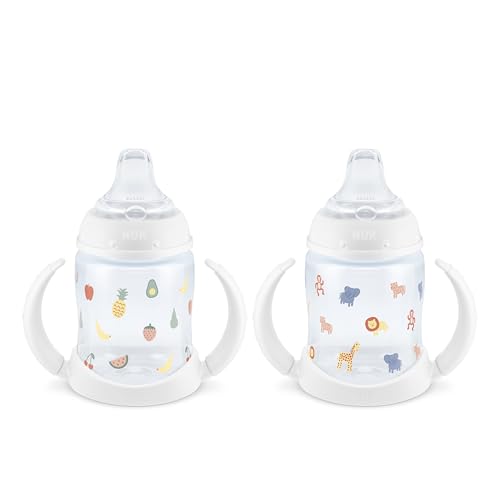
The NUK Learner Cup focuses on a smooth bottle-to-cup transition with easy-grip, removable anti-slip handles and a spill-proof soft spout designed for gentle gum contact. It’s best for babies who benefit from a familiar-feeling transition cup and a cup that’s durable enough for daily use. This option is better for families seeking a budget-friendly, dual-pack solution that still emphasizes spill control and stable handling. Note that some infants may take longer to adjust to a soft spout compared with straw cups.
NUK Learner Cup, Timeless Collection, 5 Oz, Pack of 2

This Timeless Collection version from NUK emphasizes a straightforward transition with easy-grip, anti-slip handles and a spill-proof soft spout. Suitable for babies who respond to classic shapes and familiar holding points. It’s a solid choice when you want a simple, reliable option that grows with your child. Some caregivers may prefer a straw cup for earlier transition, but this set remains a dependable alternative for steady progression.
Moonkie Silicone Baby Sippy Cups 4 Oz
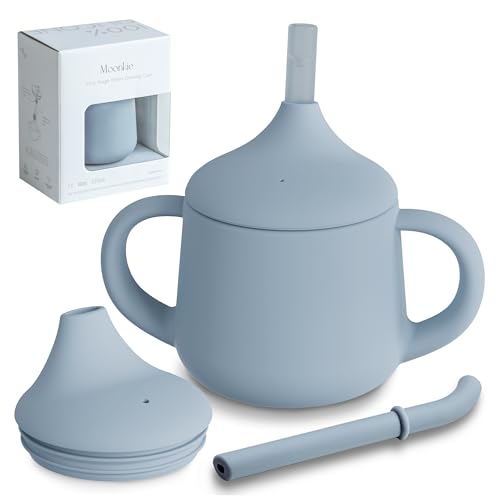
Moonkie offers a three-in-one design: sippy cup, straw cup, and open cup. Made from 100% food-grade silicone, it’s BPA-free and gentle on developing teeth and gums. The 4 oz size suits early training stages, and the flexible spout supports gradual bite and sip learning. Best for parents seeking a versatile cup that can accompany a child through multiple drinking stages. A limitation is the smaller capacity, which may require more frequent refills for active toddlers.
The First Years Squeeze & Sip Toddler Straw Cups (3 Pack)
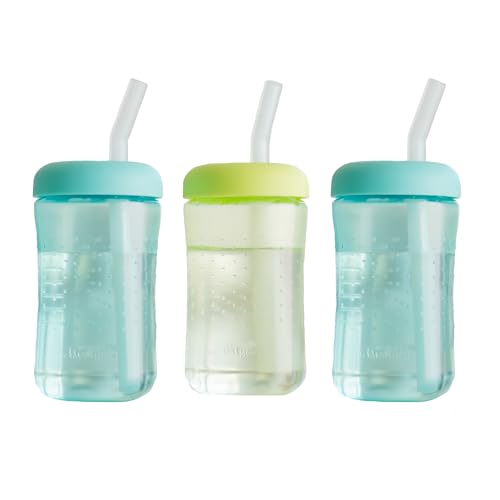
The First Years Squeeze & Sip provides a squeezable training experience with a silicone straw featuring a valve that controls flow. This design helps prevent spills while teaching kids to drink from a straw. It’s best for households needing a multi-pack option for siblings or day care. Note that some toddlers may prefer a traditional sip cup over a squeezable model as they progress, so it may be used as a transitional tool rather than a permanent solution.
Buying Guide: Key Purchase Considerations
- Age and developmental stage: Choose cups labeled for 6 months and up for early training, and consider whether a straw, spout, or open cup best suits your baby’s current skills.
- Spill control vs. learning curve: Spill-proof spouts help prevent messes, while weighted straws or squeezable designs can encourage more independent sipping as skills grow.
- Grip and handling: Look for cups with easy-to-grip handles or contoured bodies that match a baby’s small hands and evolving grip strength.
- Materials and safety: Prioritize BPA-free, food-grade silicone or hard plastics; ensure components are easy to clean and dishwasher-safe if possible.
- Durability and value: Consider whether a single-cup solution or a pack provides the best long-term value, especially with siblings or growth stages in mind.
- Cleaning practicality: Weighted straws and silicone parts may require thorough cleaning. Check for dishwasher compatibility or straightforward hand-washing guidance.
FAQ
- What is the best first sippy cup for a beginner?
– A cup with a soft spout or flexible straw tends to be gentler on gums and easier for new drinkers to control, such as the NUK Learner Cup with a spill-proof spout. - Should I choose a weighted straw or a squeezable cup?
– Weighted straws support drinking in any direction, useful for babies learning to tip and sip. Squeezable cups help teach flow control but require more caregiver attention to prevent over-sips. - Are multi-pack cups more cost-effective?
– Yes, packs like the NU K and First Years bundles can offer better value for families with multiple children or for recurring replacements during the learning period. - How important is the presence of removable handles?
– Removable handles adapt as your child grows from a beginner to a more capable cup holder, extending the product’s useful life. - Do silicone cups pose any concerns?
– Silicone is generally gentle on teeth and gums and is BPA-free; ensure cleaning is thorough to avoid residue in folds or valves. - When should I transition from a sippy cup to an open cup?
– Some pediatric guidance suggests moving toward open cups as teeth and lip closure develop; a 12–18 month window is common, but individual progress varies.