Answering the top question about floor padding for babies: choose thick, non-toxic, and non-slip mats designed for crawling and tummy time. These pads protect little ones from hard floors, reduce noise, and provide a comfortable space for development. The following picks are ideal for different buyers—new caregivers needing easy setup, parents with active toddlers, and those seeking versatile, room-friendly designs. Below is a quick at-a-glance summary to help compare key features and suitability.
| Product | Best For | Size | Material | Notes |
|---|---|---|---|---|
| Huloo Sleep Ultra Soft Play Mat | Toddlers and infants needing extra thickness | 50 x 50 in | Memory foam, non-shedding fabric | OEKO-TEX certified, noise-reducing |
| ProSource Baby Play Mat | Interlocking tile setup for flexible areas | 16 tiles (4×4 ft area) | High-density EVA foam | Easy to assemble, portable |
| SEPARO Thick Baby Play Mat | Wide play spaces on hardwood floors | 50 x 50 in | 1.2 in memory foam | Non-slip backing, soft surface |
| MioTetto Baby Play Mat | Customizable layouts for small rooms | Interlocking tiles | 0.4 in EVA foam | Non-toxic, waterproof surface |
| 12 Pcs Plush Interlocking Tiles | Budget-friendly plush padding | 11.8 in tiles | Thick EVA foam, coral velvet cover | 12 tiles + borders |
Huloo Sleep Ultra Soft Play Mat For Floor
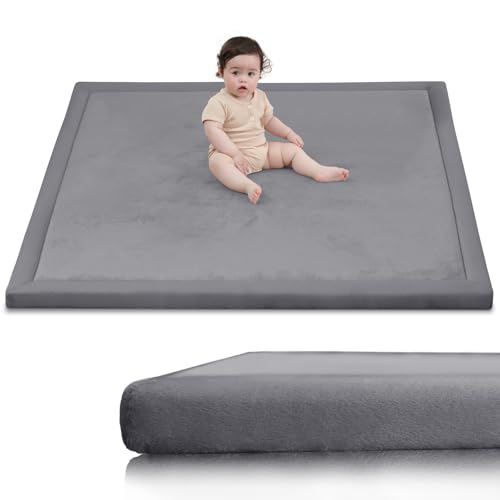
Best for parents seeking maximum thickness and a soft, pampered surface. This 1.3-inch memory foam mat covers 50×50 inches, making it ideal for use in playpens or on hardwood floors. The cushion helps protect against bumps during crawling and tummy time. The OEKO-TEX certification and CPSIA/ASTM testing emphasize safety for infants. This mat is non-shedding and designed to dampen noise, providing a calmer play area. Consider this option if you want a single, large, plush surface with a tatami-inspired aesthetic.
Best for: Families prioritizing safety certifications and a plush, quiet play area. Limitations: Heavier and may require reseating when moving between rooms.
ProSource Baby Play Mat: Interlocking Tiles
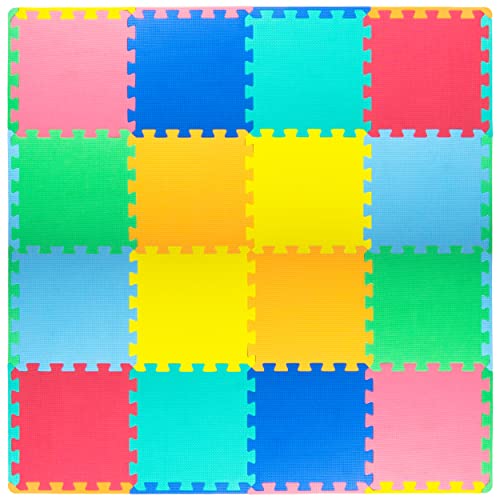
Best for adaptable play areas that grow with a child. The system includes 16 interlocking tiles totaling 16 square feet and border pieces, allowing a 4×4 ft setup or a smaller layout. Durable high-density EVA foam provides a gentle surface on hard floors. Easy assembly and disassembly make storage straightforward. Choose this if you want to quickly reconfigure a play space or cover a larger area with modular tiles.
Best for: Those who value flexible room configurations and easy storage. Limitation: Tile edges may be less plush than full-mat options for toddlers who spend long tummy-time sessions.
SEPARO Thick Baby Play Mat

Best for large, uninterrupted play spaces with a focus on grip and surface softness. The mat measures 50×50 inches with 1.2 inches of memory foam, offering a plush surface that remains soft over time. A non-slip backing helps keep the mat in place on smooth floors, reducing shifts during active play. It suits babies aged 6-12 months and supports learning through exploration. A practical choice for open play areas in living rooms or nurseries.
Best for: Parents who want a thick, secure area with reliable non-slip backing. Caution: The mat is large and may be cumbersome to relocate frequently.
MioTetto Baby Play Mat: Interlocking Tiles
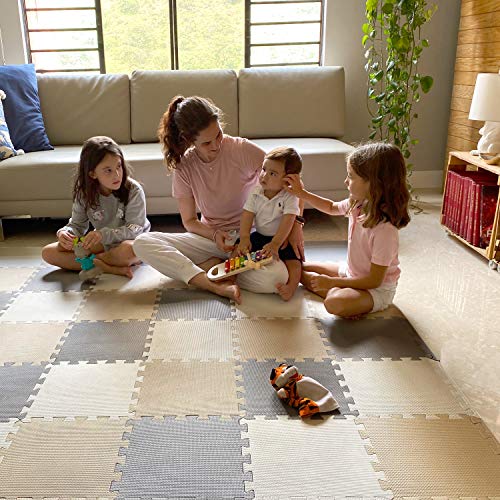
Best for customizable layouts and easy cleaning. The 0.4-inch-thick EVA tiles are non-toxic and water-resistant, making wipe-down cleaning simple. Interlocking tiles allow parents to tailor the play surface to fit 50×50 playpens or smaller spaces. This option supports tummy time and crawling while providing a moderate cushion. It is suitable for growing play areas and multi-room usage.
Best for: Buyers seeking a budget-friendly, modular mat. Limitation: Thinner than some alternative mats, offering less cushion for very young crawlers.
12 Pcs Plush Interlocking Tiles

Best for soft, cozy padding with a plush touch. The set includes 12 tiles plus edgings and tape, offering a padded, carpet-like surface on hard floors. Each tile is 0.6 inches thick and covered with coral velvet for added warmth and comfort. The design aims to reduce injuries from falls and provide a friendly, non-slip area for babies learning to crawl and walk. Ideal for nurseries seeking a plush, kid-friendly aesthetic.
Best for: Those who want a plush, cushioned feel with a softer surface. Caution: Velvet cover may require targeted cleaning and care to maintain softness over time.
Buying Guide: Floor Padding For Babies
- Thickness and cushioning: Thicker mats (1 inch or more) offer better protection for falls and bumps during tummy time. Consider 1.2–1.3 inches for longer use as babies grow.
- Non-slip backing: Essential on hardwood or tile. Look for mats explicitly labeled non-slip or with anti-slip backing to prevent shifting during play.
- Non-toxic materials: Choose mats with safe certifications (OEKO-TEX, CPSIA, ASTM) and non-toxic EVA or memory foam. Ensure fabrics and finishes are hypoallergenic and easy to clean.
- Size and layout: For large play areas, a single large mat reduces seams; for flexible spaces, interlocking tiles offer customization. Check compatibility with your 50×50 play pens or room layout.
- Maintenance: Waterproof or wipe-clean surfaces simplify cleaning. Plush textures add warmth but can require extra care to avoid staining.
- Age and activity: Younger babies benefit from extra cushioning; older infants and toddlers may prefer firmer surfaces with room to crawl and play.
- Portability and storage: Interlocking tiles and foldable mats are easier to relocate and store for travel or multi-use rooms.
FAQ
- What is the safest floor mat for babies? Mats with non-toxic materials, certified safety standards, and non-slip backing are generally the safest for crawlers and tummy time.
- Should I choose a single large mat or interlocking tiles? If you need a flexible layout and easy storage, interlocking tiles work well. For a seamless surface, a large mat is preferable.
- Is memory foam better than EVA foam for play mats? Memory foam provides a plush feel and good impact absorption, while EVA foam is lightweight, durable, and easy to clean.
- How thick should a baby play mat be? A thickness of 1 to 1.3 inches is common for good cushioning without being overly bulky.
- Can play mats be used outdoors? Some mats are designed with waterproof surfaces; verify product specs before outdoor use to prevent damage.
- How do I clean foam mats safely? Wipe with mild soap and water; avoid harsh cleaners that may degrade materials or leave residues.