Looking for a safe, cushioned surface for babies and toddlers to crawl, roll, and play? Foam mats designed for kids offer soft landings, easy cleanup, and modular layouts that adapt to any room. This guide highlights five top options that balance comfort, safety, and value, helping you choose the right fit for your child’s development stage and your space.
| Product | Size / Coverage | Material & Thickness | Best For |
|---|---|---|---|
| ProSource Baby Play Mat | 16 tiles; covers ~16 sq ft | High-density EVA foam; interlocking 12×12″ tiles | Crawling and floor play in compact spaces |
| Huloo Sleep Ultra Soft Play Mat | 50×50 inches | 1.3″ thick memory foam with non-slip backing | Large, plush area for tummy time and quiet play |
| BalanceFrom 36-Pack EVA Tiles | 36 tiles; up to ~36 sq ft | 0.4″ thick EVA foam; includes borders | Customizable big play zones; versatile layouts |
| MioTetto Interlocking Tiles | 9/16/36-piece sets; varies by set | 0.4″ thick EVA foam; water-resistant | Compact to large play areas; easy storage |
| XVISHX Baby Play Mat | 50×50 inches (approx. 47×47″), foldable | High-density XPE foam; double-sided patterns | Safe, portable floor mat for travel or home use |
Product selections emphasize safety, ease of cleaning, and the ability to adapt to different play needs. The table above highlights typical coverage, thickness, and material to help you compare at a glance. Each option excels in different scenarios, such as compact apartments, larger playrooms, or travel-friendly setups.
ProSource Baby Play Mat: Interlocking Tiles For Crawling
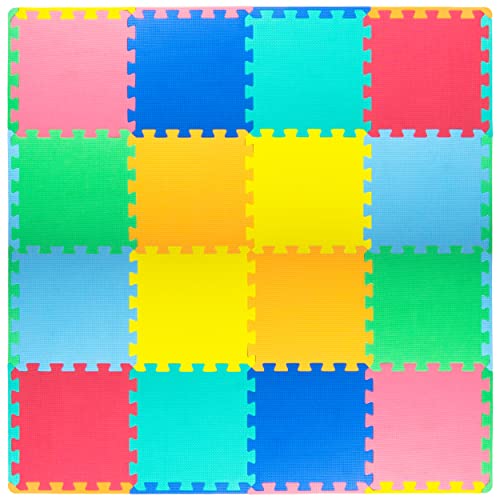
The ProSource setup uses 16 interlocking 12×12 inch tiles, totaling 16 square feet with border pieces to form a 4×4 foot area. Best for small play zones, nurseries, or baby-proofing a section of a living room. The tiles are designed to be easy to assemble, pull apart for storage, and simple to clean. Best for parents seeking quick setup and reliable cushioning on hard floors. A potential limitation is that the surface might feel less plush than memory-foam options in very active crawling sessions, which makes the presence of larger soft surfaces advantageous in bigger rooms.
Huloo Sleep Ultra Soft Play Mat
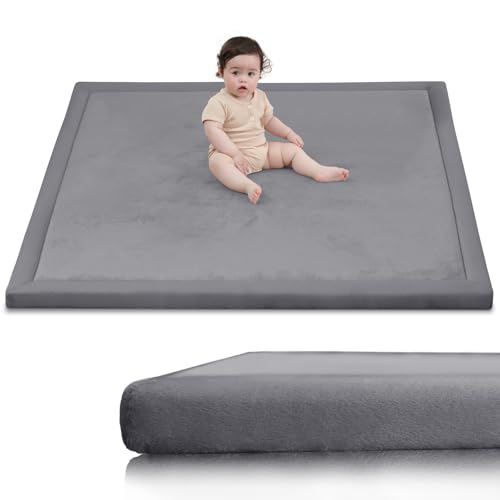
The Huloo Sleep mat is a 50×50 inch surface with 1.3 inches of slow-rebound memory foam and a non-slip backing. It provides a larger, plush area for tummy time, crawling, and quiet play. This option is best for caregivers prioritizing a soft, cushioned surface that reduces noise and protects hardwood floors. A limitation is that memory foam surfaces can be heavier and less portable than tile-based mats, and some families may prefer a machine-washable cover for easier cleaning of fabric tops.
BalanceFrom 36-Pack Interlocking Tiles

The BalanceFrom set includes 36 tiles and border edges, covering up to 36 square feet. Each tile is 0.4 inches thick, offering a balance of comfort and protection against slips. The layout is highly customizable, allowing one large mat or multiple zones. This option is well-suited for families needing a scalable solution for growing play areas. A caveat: some users report a mild odor when first unpacked, which typically dissipates with airing out.
MioTetto Interlocking Tiles
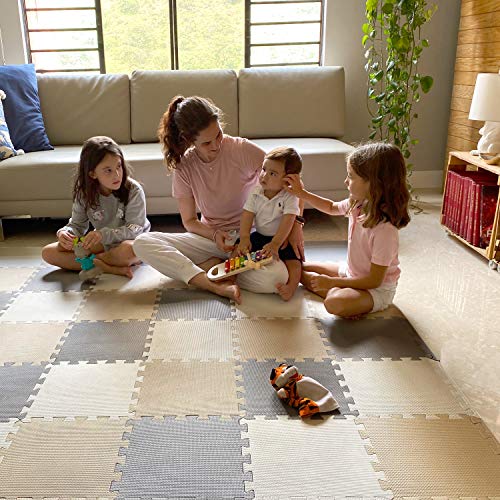
MioTetto offers adjustable tile sets designed for babies and kids, with 0.4-inch-thick EVA foam and waterproof, easy-clean surfaces. The tiles interlock securely, creating a customizable play area that can be resized to fit nurseries, playrooms, or larger family spaces. Best for parents who want to tailor coverage from small tummy-time zones to larger play spaces. Choose this if you value a wipe-clean surface and flexible expansion. A limitation is the multiple piece options may require planning to achieve a seamless look in some layouts.
BeMaxx Gym Mats Set: 18-Piece EVA Tiles

The BeMaxx set features 18 interlocking tiles with edge pieces for full floor protection. Made from BPA-free EVA foam, the mat offers a non-slip surface and durability suitable for homes with active kids and light workouts. Best for homeowners seeking a robust surface that doubles as a gym or play area. The design emphasizes protection against scratches, spills, and noise, but the large set may be more than needed for small spaces; consider a smaller tile count if space is limited.
Haulcove 18-Piece Puzzle Exercise Mat

Haulcove’s 18-piece puzzle mat uses 12.6×12.6 inch tiles with a non-slip, water-resistant surface. It’s designed for home gyms and kids’ play areas alike. Best for households wanting a durable, easy-to-clean surface that can withstand active play and occasional equipment rearrangement. A potential drawback is that tiles may shift if not properly aligned on very smooth floors; ensure a flat, clean base for best results.
XVISHX 50×50 Inch Foldable Play Mat

The XVISHX mat measures about 50×50 inches with a 0.4-inch thickness and a double-sided animal pattern. It’s foldable for portability and storage, making it ideal for travel or tote-and-go use as a secondary play surface. Best for families who need a portable, ready-to-go mat. Note that foldable mats can be less rigid than tiled surfaces, which may influence the feel during standing play or jumping activities.
Buying Guide: How To Choose The Right Foam Mat For Your Home
What size and coverage do you need?
Consider room dimensions and typical play zones. Tiles offer modular coverage, while large mats like a 50×50 inch surface provide a single continuous area. If you have limited space, a small tile setup with borders can create a defined play area without overwhelming the room.
What thickness matters most?
Thicker mats (around 1.3 inches) cushion falls more effectively and reduce bumps on hard floors. Thinner tiles (0.4 inches) are lighter, easier to store, and often suffice for toddlers who are practicing moving rather than frequent falls.
Is the surface easy to clean and maintain?
Non-porous EVA foam surfaces wipe clean, while memory-foam topped mats may require spot cleaning and occasional airing to reduce odors. Waterproof or water-resistant surfaces simplify daily maintenance, especially for areas prone to spills.
How important is portability?
Foldable or lightweight tile sets are easier to move between rooms or transport for travel. Interlocking tiles remain flat and stable but may require more storage space when not in use.
What safety features should you prioritize?
Look for non-toxic materials, BPA-free EVA, and non-slip backs or textures to prevent shifting. Certifications like OEKO-TEX or CPSIA compatibility help confirm safety intentions. If your child is a climber or energetic mover, choose thicker, cushioned options with secure edges.
How do you compare long-term value?
Calculate coverage per dollar by considering tile count, border pieces, and potential expansion. A larger set with borders often reduces the need to buy extras later. Also factor in durability and ease of cleaning for ongoing use.
FAQ
- What is the best foam mat for crawling? A denser, 0.4–0.6 inch mat with a non-slip surface and a larger, stable area supports crawling and tummy time effectively.
- Are interlocking mats safe for babies? Yes, provided they are BPA-free, non-toxic, and meet safety standards; ensure edges align well to prevent gaps that could trap small fingers.
- Can these mats be used outdoors? Some mats are waterproof and suitable for covered patios or decks, but avoid prolonged sun exposure which can degrade foam over time.
- Do mats have a strong odor when unpacked? A temporary smell is common with new foam products but typically dissipates after airing out for a few days.
- How do you clean foam mats? Wipe with mild soap and water; avoid harsh chemicals that could degrade materials. Some surfaces are wipe-clean only; always follow manufacturer care guidelines.
- Should you buy a single large mat or multiple tiles? If you need flexibility, multiple tiles with borders allow scalable layouts. For a simple, seamless surface, a single large mat may be preferable.