If you’re looking for the healthiest diapers for your baby, these five options prioritize minimal chemicals, skin-friendly materials, and gentle protection. They’re suitable for parents who want transparency, hypoallergenic design, and reliable leakage protection. The top picks below are best for parents seeking non-toxic fabrics, dermatologist-friendly formulations, and eco-conscious materials for everyday wear.
- Best for eco-conscious families seeking plant-based materials and transparent sourcing
- Best for babies with sensitive skin needing gentle, chemical-free protection
- Best overall compromise of performance and skin-friendliness
- Best for overnight use with minimal irritation risk
- Best for preemie and newborns needing ultra-soft, safe protections
Product Comparison at a Glance
| Product | Why It’s Healthy | Best For | Notes |
|---|---|---|---|
| Our Diapers | Healthybaby | EWG VERIFIED Safe; organic cotton and plant-derived materials; chlorine-free | Babies with chemical sensitivity | Blowout Shield and BackStop Elastic reduce mess |
| Earth & Eden Sensitive Baby Diapers | Hypoallergenic; no harsh chemicals; dermatologically approved | Sensitive skin and newborns | Printed with non-toxic inks; cruelty-free |
| Eco Boom Newborn Diapers | Chlorine-free pulp; viscose from bamboo; chemical-free | Infants needing ultra-soft, natural materials | High absorption with dry surface |
| JOONYA Baby Diapers | Free from latex, chlorine, perfumes, phthalates; transparency on chemicals | Overnights and sensitive skin | PLA topsheet from corn starch; ultra-thin |
| Pampers Swaddlers Diapers | Hypoallergenic; keeps dryness with KeepDry liner | Newborns needing reliable dryness | Skin-safe and widely available |
Our Diapers | Healthybaby

Healthybaby Our Diapers are EWG VERIFIED Safe and made with organic cotton and plant-derived materials. They avoid 3,900+ chemicals linked to health concerns, supporting parents seeking non-toxic options. Key features include a Blowout Shield to contain mess and BackStop Elastic to prevent gaps. The diapers are chlorine-free, improving overall skin exposure during wear.
Best for: Babies with chemical sensitivities or parents who value transparent safety standards.
Limitation: Absence of a chemical wetness indicator may require more frequent checks for some caregivers.
Earth & Eden Sensitive Baby Diapers

Earth & Eden Sensitive Baby Diapers are designed for newborns and sensitive skin. They offer up to 12 hours of protection and are free from lotions, latex, fragrances, and chlorine bleaching. The pads use non-toxic polymers and a cotton-enhanced layer for comfort. Dermatologically approved and Cruelty-Free, these are a strong choice for eco-conscious families.
Best for: Newborns and babies with sensitive skin seeking a gentle, dermatologist-approved option.
Limitation: May be less widely available in some regions compared to mass-market brands.
Pampers Baby Dry Diapers
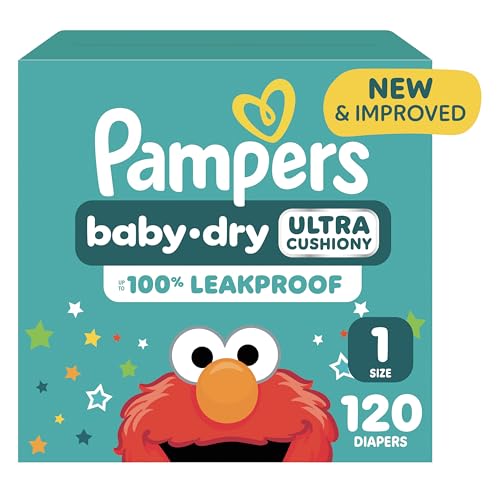
Pampers Baby Dry uses a Dry-Weave liner and a Wetness Indicator to help manage changes. The KeepDry liner aims for three times dryness in some comparisons, supporting both daytime and overnight use. The design emphasizes skin safety and hypoallergenic properties, aligning with families seeking reliable dryness and comfort.
Best for: Parents who want consistent dryness with easy indicators for diaper changes.
Limitation: Prints and additives may exist in some variants; verify the specific packaging for sensitive needs.
Pampers Swaddlers Diapers

Pampers Swaddlers are designed for newborns with a focus on dryness and skin safety. The brand highlights a hypoallergenic approach and dermatologically tested materials. The KeepDry liner and soft outer shell contribute to a comfortable fit for daily wear and nighttime use.
Best for: Newborns needing a combination of softness and dryness.
Limitation: Some users report variability in fit across sizes; check sizing before purchase.
ECO BOOM Newborn Diapers

ECO BOOM diapers feature viscose from bamboo on the top and back sheets, providing a soft feel against skin. The absorption core locks in moisture to keep surfaces dry, and the chlorine-free pulp aligns with chemical-free goals. These diapers emphasize natural materials and comfort for newborns.
Best for: Parents seeking bamboo-based, chlorine-free options with strong surface dryness.
Limitation: Availability may vary by region and retailer.
Buying Guide: Key Purchase Considerations
What matters most when choosing healthy diapers?
- Look for organic cotton, plant-based fibers, bamboo, or chlorine-free pulp. These reduce exposure to potentially irritating chemicals.
- Skin-friendliness: Hypoallergenic claims, fragrance-free options, and dermatological testing are important for sensitive skin.
- Absorbency and fit: Consider features that improve dryness while preventing leaks without restricting movement. Comfort is essential for long daytime wear and overnight safety.
- Sustainability and transparency: Brands with clear safety testing, non-toxic inks, and cruelty-free practices can enhance overall health and environmental impact.
- Availability and sizing: Ensure the brand offers reliable sizing and regional availability to avoid gaps in protection or supply.
Frequently Asked Questions
- What makes a diaper considered healthy for babies? A healthy diaper minimizes chemical exposure, uses skin-friendly materials, and provides reliable protection without unnecessary additives or fragrances.
- Are EWG-verified diapers better for sensitive skin? EWG-verified products adhere to safety standards and transparency, which can help reduce exposure to harmful substances for sensitive babies.
- Should I choose bamboo-based diapers? Bamboo or viscose materials can offer a soft, breathable surface and are often associated with a gentler feel against the skin, but verify overall ingredient safety.
- How important is a diaper’s dryness feature? Dryness features help protect delicate skin from prolonged moisture and reduce irritation or rashes, especially overnight.
- Can I rely on brand name recommendations for health? Brand practices vary; compare ingredients, safety testing, and certifications rather than relying on brand alone.
- What about newborns and preemies? For very small babies, choose ultra-soft, hypoallergenic options with gentle fit and minimal bulk to reduce rubbing on skin.