Yes—these kid-friendly ice packs are designed to calm bumps, fevers, teething, and minor injuries without turning into a struggle. The best options for toddlers are soft, flexible, and come with skin-friendly covers or sleeves. They should stay pliable when frozen, resist leaks, and be easy for little hands to apply. Below are five top picks that balance comfort, safety, and effectiveness for different needs—home, school, travel, and day care. The quick reference table summarizes key points to compare at a glance.
| Product | Best For | Notes |
|---|---|---|
| REVIX Kids Ice Packs | Everyday bumps and minor injuries | Cute animal designs, soft plush covers, resealable bag |
| Hilph 3 Pack Dinosaurs | Small injuries, teething, school-ready | Soft gel, palm-sized, kid-friendly |
| Hilph 6 Pcs Marine Themed | Multiple kids or back-to-school first aid | 6 designs, flexible and durable |
| Hilph Unicorn 3 Pack | Distraction during use, fever relief | Sleeves included, portable |
| Dr. Brown’s Cold Comfort Compress | Precise cold therapy for infants and babies | 2-pack, BPA-free |
REVIX Kids Ice Packs With Cute Animal Covers

Best for everyday kid comfort. These 4.1-inch gel packs come with soft plush covers and four animal designs—lion, unicorn, frog, and salamander. The design aims to reduce resistance during use and protect delicate skin from condensation. The packs are reusable, easy to freeze, and suit small body areas like arms, legs, back, and shoulders. They’re well-suited for home use, daycare, or travel. Caution: best used with a cloth barrier to avoid direct skin contact for sensitive children.
Hilph 3 Pack Dinosaurs Kids Ice Packs
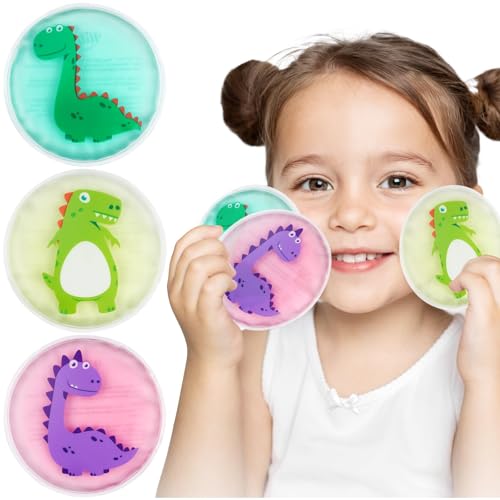
Best for smaller hands and quick relief. This set includes three kid-friendly dinosaur-shaped gel packs, designed to stay pliable after freezing. They conform to foreheads, knees, or elbows and fit well in a child’s hand for self-application. The compact size makes them ideal for travel or school kits. Limitation: the pack size may require more frequent re-freezing for longer sessions of use.
Hilph 6 Marine Themed Ice Packs

Best for families with multiple kids or a classroom. The package includes six small gel packs with ocean-style designs that stay soft when frozen and are easy for toddlers to handle. Their durable outer layer resists tears, and the packs provide quick, even cooling. Best used with a light cloth cover to prevent direct skin contact. Avert over-freezing on very young children to avoid discomfort.
Hilph 3 Pack Unicorn Ice Packs With Sleeves

Best for distraction and ease of use. These three packs feature removable sleeves to soften contact with sensitive skin and a playful unicorn design to reduce distress during cold therapy. The packs are small, portable, and suitable for cheeks, forearms, or joints. Limitation: sleeves require regular washing to maintain hygiene for daily use.
Dr. Brown’s Cold Comfort Compress Pack (2-Pack)

Best for babies and younger toddlers. This two-pack offers a reusable cold therapy option designed for infant use—great for fevers, vaccinations, or minor bumps. The packs are BPA-free and use a soft, flexible material with a non-toxic gel. For best results, freeze for at least two hours and apply with a cloth covering for about 20 minutes. Avoid application directly on very sensitive skin for extended periods.
Buying Guide
What to look for in toddler ice packs
- Soft, flexible material that remains pliable after freezing to fit small body parts.
- Skin-safe covers or sleeves to minimize condensation and skin irritation.
- Leak resistance with reinforced seals and durable outer layer.
- Appropriate size for a child’s hand; easy for them to apply themselves or with minimal assistance.
- Dishwashing or easy-to-clean sleeves when applicable.
Size and design considerations
- Smaller 3–4 inch packs are better for hands, cheeks, elbows, and knees.
- Character designs can help reduce the fear of cold therapy for toddlers.
- Sleeved designs add comfort and hygiene but may require extra cleaning time.
Safety and usage tips
- Use a thin barrier (cloth or sleeve) between the skin and the ice pack to prevent frostbite.
- Avoid leaving packs on the same area for long periods; 15–20 minutes per session is typical.
- Inspect packs for leaks or wear; replace damaged ones promptly.
- Store packs in a clean bag or dedicated pocket in a bag or backpack for travel.
Care and maintenance
- Wash sleeves and covers as directed by the product’s care instructions.
- Do not heat ice packs in microwaves unless specified as microwave-safe for warm therapies.
- Freeze in a flat position to maintain shape and even cooling.
Usage scenarios
- At home for bumps after play, fevers, or teething discomfort.
- In daycare or school to provide quick relief between activities.
- During travel to manage travel-related discomfort or minor injuries on the go.
FAQ
- What size is best for a toddler’s hand? Answer: About 3–4 inches, small enough to fit in a child’s palm and contour to body parts like cheeks, wrists, or knees.
- Are these safe for babies? Answer: Some packs are designed for babies with soft materials and cloth coverings; always follow the product guidelines and consult a pediatrician if unsure.
- Should I use sleeves? Answer: Sleeves help prevent direct skin contact, protect skin, and simplify handling, but require washing after use.
- How long should I apply cold therapy? Answer: Typically 15–20 minutes per session, with breaks in between if needed to avoid skin irritation.
- Can these packs be used warm? Answer: Some products support warm therapy; follow the manufacturer’s instructions for safe warming times and temperature limits.