Find the right kid gate for doorways to keep children and pets safely separated without sacrificing convenience. This guide focuses on pressure-mounted and hardware-mounted options that install quickly, work for a range of openings, and fit common doorways in American homes. The top picks below are best for renters, parents managing stairs, and households with curious toddlers. Each product note highlights who it’s best for and why it was selected, plus a practical caveat to help you decide.
| Product | Best For | Installation | Opening Range |
|---|---|---|---|
| Cideny Baby Gate No Drilling | Renters and busy households needing quick setup | Tool-Free, pressure-mounted | 29″-40″ |
| Toddleroo Diamond Mesh Wooden Gate | Wood-loving homes prioritizing sturdiness | Pressure Mounted | 26.5″-42″ |
| Regalo Safety 29-38.5″ White Gate | American-designed reliability for doorways | Pressure Mounted | 29″-38.5″ |
| Toddleroo Supergate Ergo Ivory | Wide doorways with easy operation | Two installation options | 26-42″ |
| MYPET Universal Gate | Versatile openings with extra mounting options | Pressure or hardware mounting | 26″-42″ |
Cideny Baby Gate No Drilling, 29″-40″ Auto Close

This gate suits parents seeking an adjustable, no-drill installation. It uses pressure mounting with wall cups and sticky pads to protect walls, making it ideal for renters or frequent reconfigurations. The auto-close feature helps keep doors secure after passing through, and the dual-lock system adds a safety layer for both children and pets.
Best for: households needing quick, reversible setup and single-handed operation when carrying items through a doorway. Limitations include ensuring wall surface compatibility with the pressure cups and sticky pads for long-term stability.
Toddleroo by North States – Supergate Ergo
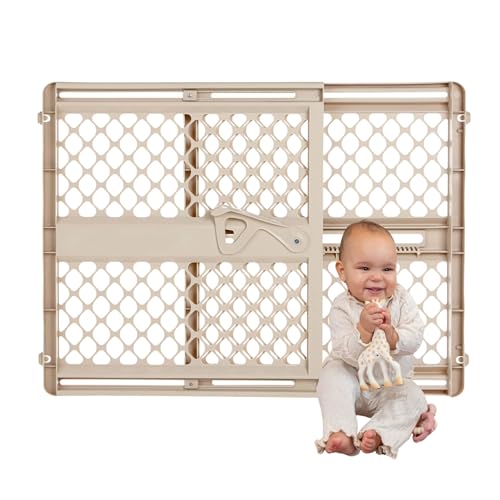
This plastic gate is adjustable from 26 to 42 inches and stands 26 inches tall, making it versatile for stairs and doorways. It is designed to be difficult for kids to climb, and it offers both pressure-mounted and hardware-mounted options, with hardware mounting required for stairs. This makes it a flexible choice for homes with multiple openings.
Best for: families needing a wide, adjustable gate with easy setup and strong deterrence for climbing. Caution: hardware mounting is required for stair use, which adds to installation time.
Regalo Safety 29-38.5″ White Gate

Regalo’s classic white gate is designed to expand to fit openings 29–38.5 inches wide and stands 30 inches tall. This model emphasizes long-standing safety trust, with a design that suits doorways and the bottom of stairs in many homes. It’s best for regular mid-sized openings and for households that prioritize a well-known safety brand.
Best for: parents seeking a trusted, long-standing design with straightforward pressure mounting. Limitation: does not fit openings outside the 29–38.5″ range, so measure carefully.
Toddleroo by North States – Diamond Mesh Wooden Gate

This wooden gate blends natural wood with safety mesh. It fits openings from 26.5 to 42 inches wide and stands 23 inches tall. Being wooden, it offers a sturdy, traditional look that may suit homes with wooden interiors. The gate is pressure-mounted and requires no tools to install in most cases.
Best for: households wanting a sturdy wooden option and a non-metallic appearance. Limitation: shorter height (23 inches) may be less visible for energetic toddlers.
MYPET Universal Gate: 26” – 42” Wide

The MYPET Universal Gate offers both pressure mounting for quick setups and a hardware mounting option for swing-gate versatility, including top-of-stair use. It expands to fit openings from 26 to 42 inches and is 23 inches tall. This gate is designed for modern homes with durable plastic and wall-protecting bumpers.
Best for: buyers needing adaptable mounting choices and a compact, portable design. Caution: ensure the opening does not exceed 42 inches wide for proper fit.
Buying Guide: Key Purchase Considerations
- Gate Type: Choose pressure-mounted for temporary setups or hardware-mounted for stairs and heavy use. Hardware-mounted gates tend to be more secure but require drilling or mounting hardware.
- Opening Width: Measure the widest point of each doorway you plan to gate. Look for gates that cover 26 to 42 inches or more to accommodate typical doorways and stair openings.
- Height and Climbability: Taller gates reduce climbing attempts. Consider height in relation to your child’s reach and the space where the gate will be installed.
- Material and Aesthetics: Plastic gates are lightweight and portable; wooden gates blend with traditional interiors. Metal and other materials may offer different durability profiles.
- One-Handed Operation: If you frequently carry a child or groceries, select gates with easy latch mechanisms and automatic closing where available.
- Wall Protection: Look for gates with wall cups, pads, or bumpers to protect paint and wallpaper, especially in rental homes.
- Compatibility: Ensure the gate fits both doorways and bottom-of-stairs openings your home has. Some models also offer hardware mounting for stairs.
FAQ
- What is the common width range for standard doorway gates?
Most gates fit openings between 26 and 42 inches wide, with some models extending up to 38.5 inches. - Are wooden gates safer than plastic gates?
Both can be safe when properly installed; wooden gates often offer sturdier feel, while plastic gates are lighter and easier to move. - Can these gates be used at the bottom of stairs?
Yes, several models support hardware mounting suitable for stairs, providing more secure installation. - Do all gates allow one-handed operation?
Many modern gates feature one-handed latches or self-closing mechanisms, but check the specific product details for each model. - What should I do if the gate doesn’t fit my opening?
Look for a model with adjustable width, or use height and width measurements to select a gate that expands to fit your space. - Are pressure-mounted gates safe for walls?
They are safe when used with wall cups or protective pads and proper installation, but renters should verify wall compatibility and avoid fragile surfaces.