When choosing a leash for an autistic child, the best picks prioritize comfort, safety, and ease of use for caregivers. These five products are selected for different needs—from active outdoor days to busy crowds—so you can find a model that fits your child’s comfort level and your daily routines. The top picks emphasize soft materials, secure handles, and adjustable designs to accommodate growth and sensory preferences. This guide highlights who each product is best for and why it stands out in crowded settings, travel, and everyday outings.
| Product | Best For | Key Feature | Why It Stands Out |
|---|---|---|---|
| Safety Walking Harness for Big Kids | Big kids (6–12) who elope in crowds | Emergency handle, dual side locking buckles | Strong safety controls with kid-friendly design and reflective details |
| HOOMTREE Safety Waist Leash Harness | Added hands-free flexibility for parents | Bungee core with three padded handles | Versatile uses and comfortable grip for varied walking styles |
| HOOMTREE Safety Harness for Teens | Older children and teens (3–12) with growing needs | Twice-adjustable, puzzle-patterned design | Roomier fit with updated wearability |
| Hobble De Hoo Autism Safety Harness | Toddlers and young kids (2–6) | Padded vest with dual grab handles | Better comfort for sensory-sensitive wearers |
| Secure Waist Leash Harness | Discreet, hands-free safety for outings | Three-way usage: belt-to-belt, handheld, or stroller | Highly adaptable for different contexts |
Safety Walking Harness for Big Kids 6-12

The Safety Walking Harness for Big Kids combines comfort with robust safety features. It uses premium fabric with added padding designed for all-day wear and features a back emergency handle for quick control in crowds or parking lots. Dual side locking buckles require adult intervention to open, which helps prevent accidental releases. An optional autism awareness pin provides a simple way to raise awareness in public settings. Best for: families who need reliable crowd control and a kid-friendly design for older children.
Caution: The harness relies on the back handle for emergencies; ensure you practice safe use in familiar areas before busy outings.
Why chosen: This option balances safety with kid-friendly aesthetics and reflects strong attention to high-traffic environments where elopement risk is a concern.
HOOMTREE Safety Waist Leash Harness

This hands-free waist belt keeps the caregiver connected without restricting movement. It uses a gentle bungee core to cushion sudden pulls and includes three padded handles for flexible control. The adjustable belt fits most adults and children aged 3–12, allowing versatile use from close proximity to longer-distance walking. Best for: guardians who want to stay actively involved while maintaining independence for their child.
Limitation: The waist belt design may require careful adjustment to ensure a secure fit on larger adults or very active kids.
HOOMTREE Safety Harness for Teens

Designed for older children with growing needs, this harness features adjustable shoulder, chest, and waist straps. It includes a puzzle-patterned design for easy recognition and acceptance, and upgrades focus on lighter weight and easier one-sided adjustment. Best for: families seeking a growing-fit option with easier adjustments and a clear autism-friendly pattern.
Limitation: Some users may prefer a simpler one-piece harness for very young wearers; check fit around the chest to avoid rubbing.
Hobble De Hoo Autism Safety Harness

Hobble De Hoo is built for toddlers and young children with a padded vest design that spreads pressure evenly for sensory comfort. Dual front and back grab handles provide controlled movement in crowded areas, making it easier to guide a wandering child without distress. Best for: sensory-sensitive kids who benefit from a padded, structured vest rather than traditional straps.
Limitation: The vest design may feel warmer in hot climates; ensure your child is comfortable with the airflow during wear.
Secure Waist Leash Harness
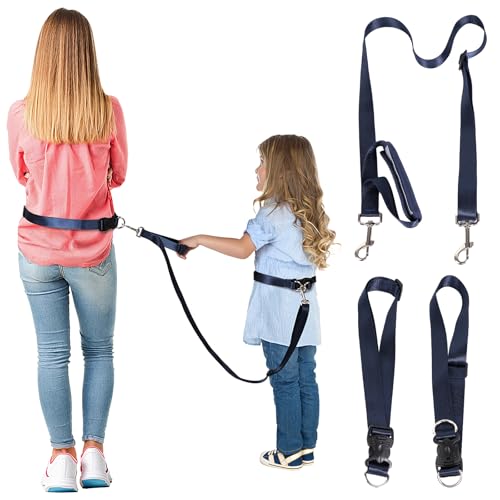
This hands-free waist leash offers three-use versatility: attach to both adult and child waists for close supervision, detach for independent walking, or have the child hold the adult-side handle. It emphasizes a discreet, streamlined design that blends safety with ease of movement. Best for: families who want a discreet option that adapts to different outing contexts with minimal fuss.
Limitation: Some users may find it less forgiving in very crowded or high-traffic areas where more direct contact is preferred.
Buying Guide
What to consider when choosing a leash for an autistic child:
- Age and size range: Ensure the product fits your child’s current size and can grow with them.
- Comfort and sensory features: Look for padded vests or soft fabrics to minimize irritation.
- Safety mechanisms: Dual locking buckles, emergency handles, and reflective details improve security in crowds and low light.
- Adjustability: Wider adjustment options help accommodate growth and different caregiver heights.
- Usage scenarios: Consider whether you need hands-free operation, flexible tethering, or stroller compatibility.
- Discreetness vs. visibility: Reflective elements aid visibility; some families prefer more discreet designs for public settings.
- Durability and care: Check materials and ease of cleaning for daily use and travel.
FAQs
- Are leash harnesses safe for autistic children?
Yes, when used correctly with proper supervision and secure buckles, they can help prevent wandering in busy areas.
- What features should I prioritize for sensory-friendly wear?
Soft fabrics, padded components, and non-irritating seams help reduce discomfort during extended wear.
- Can these leashes support independent walking for my child?
Many designs offer adjustable handles and different connection methods to encourage guided independence while staying safe.
- How do I choose between a vest vs. waist leash?
Vests distribute pressure more evenly and suit younger children, while waist leashes provide different grip options and hands-free control for caregivers.
- What maintenance is required?
Regularly inspect buckles, straps, and tethers for wear; clean fabrics as recommended by the manufacturer.