Choosing a baby room monitor requires balancing sound clarity, battery life, range, and simplicity. This guide highlights five reliable options, ideal for parents who want a private, interference-free setup that works offline. The top picks include DECT-style audio-only monitors for whisper-quiet listening, and video monitors for visual reassurance. Best for: new parents seeking robust, no-hussound monitoring; families needing longer battery life; and households valuing simple setup with strong privacy.
| Product | Best For | Key Benefit |
|---|---|---|
| VTech DM111 | Sound-focused monitoring | Strong digital, no interference |
| GoodBaby 5″ Monitor | Video monitoring | Remote PTZ with long battery |
| HelloBaby HB6550 | No WiFi video | 5″ display, 355° pan |
| Motorola AM21 | Private audio with long range | DECT private connection |
| Kidsneed 5″ Monitor | Value video with long range | 720P, 48H battery |
VTech DM111 Audio Baby Monitor

The DM111 uses DECT 6.0 digital transmission for a private, interference-free signal. It remains silent until your baby makes a sound and provides clear audio with no need for WiFi or cloud access. The unit includes an 8-hour rechargeable battery and a belt clip for hands-free movement around the home, yard, or garage. It supports up to 1,000 feet of range and uses a 5-level sound indicator to gauge nursery noise. Best for parents who want reliable, hack-proof audio monitoring without online risks. A potential limitation is that it offers no video feed, which may be important for some caregivers.
Who it’s best for: households prioritizing private audio monitoring, portability, and a long-range connection. Best for quiet-checks and early morning checks without video.
GoodBaby 5″ Baby Monitor With Camera

This monitor provides a 5″ HD display with remote camera pan (355°) and tilt (120°) plus 960 ft range. It’s designed for visible reassurance, with a 3500mAh battery delivering up to 30 hours in VOX mode or about 10 hours with the screen on. Features include two-way talk and eight lullabies to soothe your baby. Best for parents who want a larger screen and flexible viewing. Limitation: video performance depends on home interference, and image quality can vary in bright lighting conditions.
HelloBaby HB6550 No-WiFi Video Monitor

The HB6550 offers a 5″ color display with remote camera control, including 355° pan and 120° tilt, 2x zoom, and infrared night vision. It operates on 2.4GHz FHSS with digital encryption, delivering a private feed without WiFi or internet access. It suits households needing a secure, easy-to-use video monitor with reliable range. Caution: the transmission can be affected by thick walls or heavy electronics in some homes.
Motorola AM21 Nursery Audio Monitor
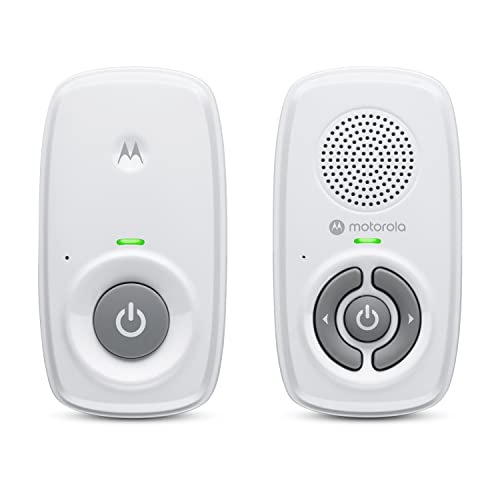
The AM21 uses DECT for private, interference-free audio with up to 1,000 feet of range. It includes a cry-detection microphone to alert caregivers when the baby wakes or cries. This option is best for households needing a straightforward audio solution with long-range performance and no WiFi. Limitation: lacks video to check on visual cues or room conditions from afar.
Kidsneed 5″ Monitor With Camera
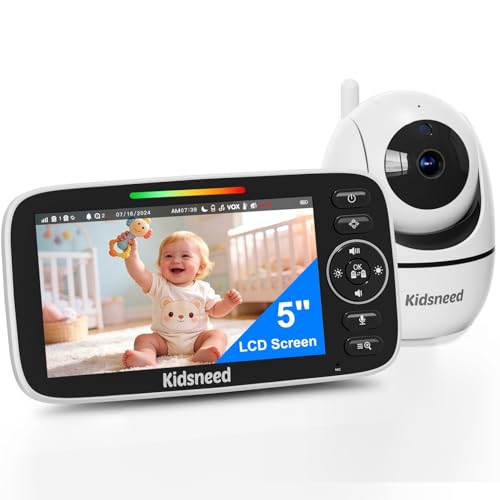
The Kidsneed system features a 5″ 720P screen with 355° pan and 120° tilt, 1000 ft range, and up to 48 hours of battery life. It provides two-way talk, a calming interface with lullabies, and a privacy-focused 2.4GHz channel with FHSS. Best for families who want solid video quality at a good price and longer daily use. Caution: battery life can vary with continuous display use; consider screen-off time for extended use.
Buying Guide: Key Purchase Considerations
- Connection type: For privacy, prefer DECT or FHSS systems that avoid WiFi and cloud-based risks.
- Video vs. audio: Video monitors offer visual reassurance but may require more power; audio-only devices excel in simplicity and battery life.
- Range and walls: Check the listed range and note how walls and floors can affect performance in your home layout.
- Battery life: Look for, at minimum, all-day battery life for parent units and a decent standby mode.
- Display size and quality: Larger screens improve visibility but consume more power; balance with usage patterns.
- Security and encryption: Ensure the device uses encrypted transmission to minimize eavesdropping concerns.
- Portability: Belt clips and compact parent units help when moving around the house or outside.
- Additional features: Cry detection, temperature sensors, lullabies, and two-way talk can enhance monitoring but add complexity.
Frequently Asked Questions
- What is the main difference between DECT and WiFi baby monitors?
Answer: DECT monitors do not connect to the internet and are less prone to hacking, while WiFi monitors rely on home networks and cloud servers. - Do video monitors require a lot of power?
Answer: Video monitors typically consume more battery life, especially with the display on; consider VOX or screen-off modes to extend usage. - Is a longer range always better?
Answer: Yes, if you need coverage across a larger home or outdoor areas; avoid overpaying for unused range in a small apartment. - Can these monitors be hacked if they’re private?
Answer: Devices with encrypted, private channels reduce risk; follow manufacturer guidance to update firmware when available. - Are lullabies and ambient lights useful features?
Answer: They can help soothe or distract a fussy baby, but are not essential for monitoring. - What should I consider when choosing audio-only versus video?
Answer: If visual reassurance matters (e.g., night-time checks or across rooms), choose a video monitor; otherwise, audio-only devices are simpler and longer-lasting.