Choosing the right nipple for a newborn can ease feeding, reduce gas, and help establish a healthy feeding routine. This guide highlights five options that balance flow, comfort, and anti-colic features. The top picks are best for newborns with smooth transitions from breast to bottle, babies needing slower flows, and households using ready-to-feed or formula bottles. Each product includes who it’s best for and why it was selected, plus practical cautions to consider. The table below summarizes key choices by flow type and suitability.
| Product | Best For | Flow Type | Notes |
|---|---|---|---|
| Dr. Brown’s Natural Flow Level 1 | Newborns needing a slow, steady flow | Slow Flow | Anti-colic vent system, consistent flow |
| Dr. Brown’s Natural Flow Level T Narrow | Babies with feeding difficulties or NICU transitions | Ultra-Slow/Level T | Wide hospital trust; anti-colic vent |
| Similac Nipples & Rings | Ready-to-feed Similac bottle users | Disposable, various sizes | Latex-free option |
The following sections expand on each choice with practical details, including when to pick each nipple, potential drawbacks, and who benefits most from each design. Consider your baby’s feeding style, bottle type, and whether you need an option compatible with preemie feeds or standard newborn bottles.
Dr. Brown’s Natural Flow Preemie Flow Nipple

The Preemie Flow Nipple is designed for babies who are premature or have feeding difficulties. It offers the slowest flow in Dr. Brown’s line, supporting a controlled pace that mimics breastfeeding. The anti-colic internal vent system helps reduce spit-up and gas, which can provide a more comfortable feeding experience for the infant. This option is best for babies transitioning from hospital feeds or who require a very gradual introduction to bottle feeding. Caution: may be too slow for babies who tolerate faster flows once their feeding improves.
Abbott Similac Nipple System Package

The Abbott nipple system covers similar infant nipple and ring components designed for prevention of leaks and easy cleaning. It is well suited for families using Similac ready-to-use bottles and seeking a latex-based option commonly used in clinical settings. Best for newborns in compatible Similac bottle ecosystems. Limitation: more relevant to those already aligned with Similac bottles and may not fit other brands without adapters.
MAM Extra Slow Flow Nipples

MAM’s nipple design focuses on anti-colic benefits with a SkinSoft silicone feel to closely resemble mom’s breast. The Extra Slow Flow is ideal for newborns who breastfed or require a very gentle pace. It’s compatible with most MAM bottles and is noted for better nipple acceptance among newborns. Caution: some babies may require a slightly faster flow as they grow or learn to drink more efficiently.
Pigeon SS Nipple With Latch-On Line

The Pigeon SS Nipple features a latch-on line designed to guide a baby’s natural latch. It includes an advanced venting system aimed at minimizing swallowed air. Best for babies who benefit from a guided latch and reduced colic symptoms. Limitation: availability and sizing can vary by region, so confirm compatibility with your bottle system before purchasing.
Dr. Brown’s Level 1 Slow Flow Nipple
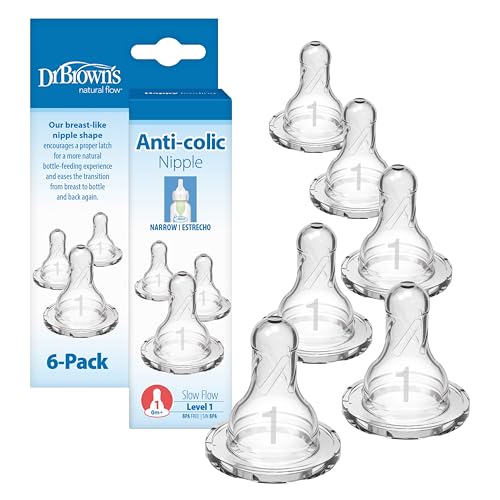
The Level 1 Nipple delivers a newborn-friendly slow flow designed for infants just starting bottle feeding. It includes an anti-colic internal vent system to reduce spit-up and gas, promoting a more comfortable feeding session. Best for babies who need a modest step down from ultra-slow preemie options. Caution: some babies may prefer a faster pace as they grow, requiring a change to Level 2 or Level T later.
Buying Guide: Key Purchase Considerations
- Flow rate and baby readiness — Start with a slower flow for newborns and adjust as feeding becomes easier.
- Vent system and comfort — Anti-colic vents help reduce gas, spit-up, and discomfort during feeds.
- Bottle compatibility — Ensure the nipple fits your bottle brand and model to prevent leaks or poor flow.
- Materials and allergies — Latex-free options are preferable for babies with sensitivities; consider silicone tips for durability.
- Newborn-specific designs — Nipples marketed as preemie or newborn-focused often provide the gentlest pace.
- Regional availability — Some designs, like Pigeon or MAM, may vary by region; confirm sizing and packaging.
Frequently Asked Questions
- What flow is best for a newborn with breastfeeding experience?
– A slow or newborn-flow nipple often works best to mimic breastfeeding and reduce comfort issues. - When should I switch nipples as my baby grows?
– Move to a faster flow once baby shows easy, comfortable bottle feeding without spitting up. - Are anti-colic vents essential?
– Vents can significantly reduce air intake and gas; consider them if your baby experiences discomfort. - Is it okay to mix brands?
– Yes, as long as bottle openings and nipples are compatible; some parents use different brands for variety. - Which nipple is recommended for preemies?
– Preemie-specific or ultra-slow flow nipples are designed to accommodate very slow feeding transitions. - Do latex nipples pose allergy risks?
– Latex-free options are advisable if your baby has a latex sensitivity or you prefer a hypoallergenic choice.