When shopping for baby-safe noise protection, look for comfortable, fontanel-friendly designs that reduce exposure to loud environments without applying pressure on delicate heads. This guide highlights top options suited for airplane trips, concerts, fireworks, and everyday loud settings. Each product targets infants and toddlers, with adjustable fits and proven noise reduction to protect young ears while keeping little ones calm. Below, you’ll find a quick buyer’s table and five carefully chosen products that balance safety, comfort, and practicality.
Summary Table
| Product | Best For | Key Benefit |
|---|---|---|
| HOIGRBOM Baby Headphones | Newborns to 48 months | 24 dB noise reduction with fontanel-friendly headband |
| Alpine Muffy (Green) | Babies to 48 months | Soft padding, adjustable headband, easy fit |
| Alpine Muffy (Pink) | Babies to 48 months | Same reliable 24 dB protection with gentle design |
| BBTKCARE | 3 months to 3 years | Zero-pressure design with soft padding |
| MAMAZING | 3–48 months | 25 dB protection with stepless headband adjustment |
HOIGRBOM Baby Headphones for Noise

Best for: newborns to 48-month-olds who need reliable 24 dB noise reduction in noisy environments. This model uses a premium ABS shell with a sponge-filled PVC cushion for comfort and easy cleaning, making it suitable for travel, airplanes, concerts, and outdoor events.
Why selected: It provides a robust, fontanel-friendly design with an adjustable three-position headband to grow with your baby. The materials are BPA-free and designed to minimize pressure on delicate skulls, addressing a common parent concern about tighter-fitting earmuffs.
Limitations: Some parents may prefer even lighter padding for very small infants; ensure the fit is snug but not restrictive for newborns.
Alpine Muffy Baby Ear Protection (Green)

Best for: babies and toddlers up to 48 months who need consistent protection from loud events. Alpine Muffy offers adjustable sizing, multi-layer foam for effective noise reduction, and a soft, anti-slip headband for secure wear.
Why selected: This model emphasizes safety with no hard parts pressing into the fontanelle, while providing a secure fit across growth stages. It’s CE and ANSI certified, which adds an extra layer of formal safety assurance for caregivers choosing gear for travel and daily use.
Limitations: Some users report the fit may vary with particularly small heads; adjust the headband carefully to avoid gaps that reduce protection.
Alpine Muffy Baby Ear Protection (Green-Variant)
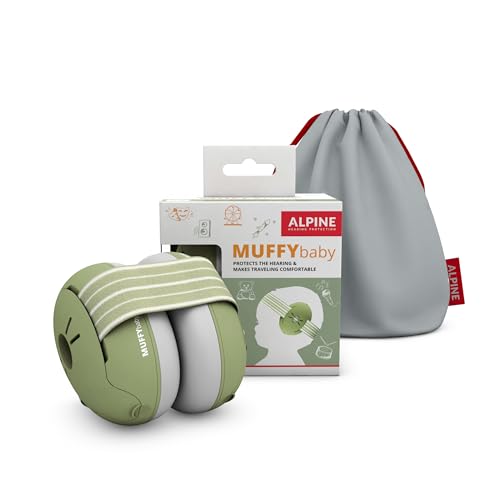
Best for: children who need adjustable protection through early childhood up to 4 years. The 24 dB noise reduction helps reduce exposure in busy environments, while a soft inner lining supports comfort during longer wear.
Why selected: The product shares Alpine’s trusted safety framework with easy adjustability and gentle materials designed for sensitive ears. It’s a solid pick for families attending fireworks displays or travel where consistent coverage matters.
Limitations: If your child is especially active, verify that the headband remains adjusted to prevent slipping during movement.
BBTKCARE Baby Ear Protection
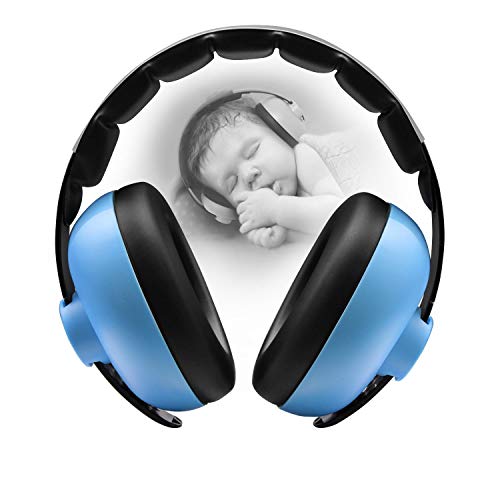
Best for: infants and toddlers from 3 months to 3 years who require a soft, pressure-free fit with effective 23 dB noise reduction. The design emphasizes a gentle seal over delicate ears and a secure headband.
Why selected: It prioritizes newborn comfort with zero-pressure padding, making it suitable for naps during travel or at crowded events. The soft materials help reduce irritation over extended wear.
Limitations: Some babies may prefer deeper cushioning; if the fit feels loose, re-adjust to improve seal without adding pressure.
MAMAZING Baby Ear Muffs
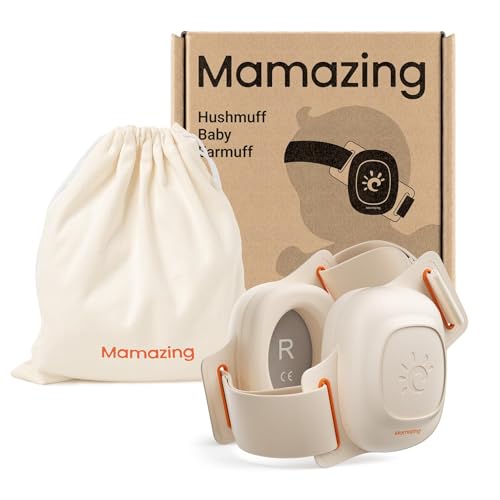
Best for: children from 3 to 48 months who need strong 25 dB protection with a memory-foam cushion and stepless headband adjustment. It’s ideal for flights, concerts, and busy urban days.
Why selected: The stepless adjustment helps ensure a precise fit as your child grows, reducing the need for frequent replacements. The memory-foam padding provides a comfortable seal without tight pressure points.
Limitations: Since the design relies on a snug seal, ensure the ear cups contact evenly around the ears to avoid gaps that diminish noise reduction.
YomauiYee Baby Earmuffs

Best for: 0–36 months with fontanel-friendly design and 25 dB noise reduction for travel. Foldable with a storage bag, making it convenient for parents on the go.
Why selected: It combines a gentle headband with a solid protective shell, providing reliable coverage during flights and public events, while being easy to transport.
Limitations: Foldability can introduce small creases over time; inspect the seal periodically to maintain effective protection.
Buying Guide
What to look for in baby noise protection
Key factors include fontanel-friendly fit, stable headbands, soft padding, and a consistent noise reduction rating. Look for products with a minimum of 24 dB reduction to protect hearing in loud environments such as fireworks, concerts, and airplanes.
Fit and comfort considerations
Choose earmuffs with adjustable headbands and ample foam padding. A pressure-free design protects delicate skulls and fontanels, especially for newborns and infants under 18 months. Ensure the cups enclose the ears without pressing on the head.
Materials and safety certifications
Opt for BPA-free materials and shells that are easy to clean. Certifications (like CE and ANSI) indicate adherence to safety standards, giving caregivers confidence during extended wear or travel.
Durability vs. growth
Products that grow with your child save money over time. Stepless or wide-range adjustable headbands fit longer as children grow from infancy to toddlerhood. Consider foldable designs for portability during travel.
Usage scenarios
For flights and trains, prioritize compact, lightweight earmuffs with good padding. For concerts or fireworks, ensure shield coverage remains secure during movement and that there are no sharp edges that could irritate the skin.
Maintenance and cleaning
Choose earmuffs that are easy to wipe down with mild soap and water. Removable or washable padding is a plus for maintaining hygiene when used in different environments.
Frequently Asked Questions
- What age is best for baby earmuffs? Most models cover ages from about 0 to 48 months, though some designs extend to 36 or 48 months depending on head size and adjustable range.
- Do baby earmuffs affect hearing development? When used appropriately to protect ears from loud sounds, earmuffs help prevent temporary and long-term hearing damage in noisy settings.
- How do I know if the fit is correct? The cups should fully cover the ears without applying pressure on the fontanelle. The headband should be snug but not tight, with no gaps around the ear.
- Are these earmuffs safe for sensitive skin? Look for BPA-free materials, soft padding, and hypoallergenic features to minimize irritation for babies with sensitive skin.
- Can earmuffs be used for sleep? Yes, many parents use them to reduce ambient noise and help babies sleep more peacefully in noisy environments.
- Should I use earmuffs in a car? For highway noise or prolonged exposure, earmuffs can help protect hearing, but ensure a proper fit and consider stops for breaks during longer trips.