If you’re shopping for a 3-year-old boy, you want outfits that are easy to put on, comfortable for all-day play, and durable enough to withstand frequent laundering. The following selections focus on short-sleeve bodysuits and footed or footless pajamas in toddler sizes, crafted from soft cotton blends and designed for quick changes. This guide helps parents, caregivers, and gift buyers pick the right options for everyday wear, sleepwear, layering, and travel days. The quick-reference table below highlights each product at a glance.
| Product | Size | Best For |
|---|---|---|
| Gerber Baby Boys 5-Pack Solid Onesies Bodysuits | 3T | Daily wear, layering, easy outfit changes |
| Gerber Baby Boys 4-Pack Footed Pajamas Bears & Trucks | 3T | Bedtime and cozy mornings |
| Simple Joys by Carter’s 3-Pack Snug-Fit Footless Pajamas | 3T | Sleepwear without feet for warmer months or layering |
| Simple Joys by Carter’s Baby Boy’s 6-Pack Short-Sleeve Bodysuit | 24 Months (listed); generally fits 2- to 3-year-olds depending on brand | Everyday layering and essentials pack |
| Gerber Baby Boys 4-Pack Footed Pajamas Dinosaurs Space Grey | 3T | Sleepwear with full coverage and warmth |
Gerber 5-Pack Solid Onesies Bodysuits
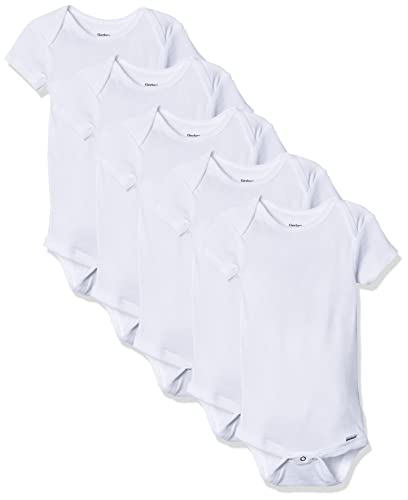
Best for versatile everyday wear and quick outfit changes. These cotton bodysuits are designed with expandable lap shoulders and a color block that coordinates easily with pants, shorts, or layered outfits. The included 5-pack helps parents stock up for busy weeks, making it ideal for families with multiple daily changes.
Best for: caregivers seeking a dependable, easy-to-clean base layer for toddlers. Choose this if you want a budget-friendly, do-it-all starter wardrobe.
Limitation: Some fabric blends vary by color; the Heather Gray option uses a cotton-rayon blend for added softness, which may differ in care instructions from pure cotton pieces.
Gerber Baby Boys 4-Pack Footed Pajamas Bears & Trucks Grey

Best for bedtime and relaxed weekend mornings. These footed pajamas provide full coverage and a soft, breathable cotton base, with a front zipper for easy changes. The multipack format helps families rotate outfits without constant laundry.
Best for: parents who want a cozy sleepset that’s simple to put on and take off. Better for cooler climates due to full coverage. Caution: front zipper exposure should be checked for skin comfort at neck and chin during sleep.
Simple Joys by Carter’s Snug-Fit Footless Pajamas

Best for warm seasons or layering underneath other sleepwear. This 3-pack features full-zip front closures from neck to ankle and a safety chin tab for comfort and ease during night-time changes. The footless design allows breathability and flexibility for active toddlers.
Best for: caregivers who prefer lightweight bedwear that’s easy to layer. Choose this if you want to reduce overheating risk and simplify night-time dressing.
Simple Joys by Carter’s 6-Pack Short-Sleeve Bodysuit Shirt

Best value for essential everyday wear. This six-pack of short-sleeve bodysuits provides a reliable base layer or standalone top in warmer months. The soft fabric supports all-day play and easy layering with outerwear or blankets.
Best for: families who want a bulk supply of reliable basics. Avoid this if you need larger sizes beyond 3T, or if you require more varied sleeve lengths.
Gerber Baby Boys 4-Pack Footed Pajamas Dinosaurs Space Grey

Best for secure sleep wear with easy transitions. The set features front zippers with a fabric safety cover and a snug fit design that aligns with safe-sleep guidelines. The playful dinosaurs theme adds cheerful appeal to bedtime.
Best for: parents seeking dependable sleepwear with simple changes and durable construction. Caution: ensure proper fit to maintain snug-sleep compliance and avoid loose fabric around the feet.
Buying Guide
What size should you choose for a 3-year-old?
Look for 3T- to 4T-sized options labeled for toddlers. If your child is at the upper end of 3T, consider 4T to ensure a comfortable fit for growing days and longer wear.
Should you pick footed or footless pajamas?
Footed options provide warmth and a secure fit for colder nights, while footless styles offer airflow and ease of movement, which can be better for warmer seasons or kids who kick off blankets at night.
What fabric matters most?
Most toddler pieces use 100% cotton or cotton blends for softness and breathability. Cotton-rayon blends in some Heather Gray items can offer extra softness but may require different care than pure cotton.
What features improve practicality?
Key features include expandable lap shoulders, front or full-length zippers for quick changes, safety tabs to protect skin, and snug fits that align with safe sleep guidelines. Consider ease of laundering and colorfastness for busy households.
How many pieces should be in a starter set?
A balanced starter pack includes several bodysuits for daily wear and a couple of sleep sets. A 5-pack bodysuits plus 2–3 sleep options covers most daily needs for a week, reducing laundry frequency.
Maintenance and care considerations
Follow garment care labels, usually warm water washing and tumble dry low for cotton blends. Avoid high heat that can shrink 100% cotton pieces, and separate darks from lights when laundering.
FAQ
- What size is best for a 3-year-old? Answer: Start with 3T and evaluate length; move to 4T if the 3T is too short or the child is taller than average.
- Are footed pajamas safe for sleep? Answer: Yes, as long as they fit snugly and comply with safe sleep guidelines; avoid loose fabrics around the legs and feet.
- What is the difference between bodysuits and pajamas? Answer: Bodysuits are worn as everyday tops or layering pieces, while pajamas are designed for sleep with features like zippers or footed coverage.
- Which is better for warm climates: footless or footed? Answer: Footless pajamas or lightweight bodysuits are typically better for warmer climates or summer nights.
- How many outfits should I own for school days? Answer: A rotating set of 7–10 bodysuits and 3–5 sleep sets generally covers a week with laundry cycles.
- Can I mix brands? Answer: Yes, mixing brands is common; prioritize fit, fabric, and ease of use over brand uniformity.