Finding the right pacifier for a baby girl can help soothe her quickly and support healthy oral development. This guide selects five top Amazon picks that balance comfort, safety, and ease of use. Each option suits different needs—first-time parents may prefer all-in-one sets, while others may look for orthodontic designs or cute accessories. The following choices are best for newborns and infants up to six months, with notes on who may benefit most from each design.
Summary table of selected products:
| Product | Best For | Key Benefit |
|---|---|---|
| Dr. Brown’s HappyPaci 100% Silicone Pacifier | New parents seeking familiar bottle-nipple alignment | One-piece silicone design with contoured shield |
| MAM Original Baby Pacifiers 0-6 Months (4 Pack) | Comfort and easy latch | Skin Soft silicone nipple, orthodontic shape |
| Philips Avent Soothie 0-3 Months (4 Pack) | Newborns who self-soothe | 100% medical-grade silicone, single-piece |
| Itzy Ritzy Pacifier & Lovey Set | Soothing with a comforting lovey | Detachable plush unicorn lovey, dishwasher-safe pacifier |
| NUK 100% Silicone Comfy Orthodontic Pacifiers | Newborns needing breast-like latch | Orthodontic shape, 5 count |
Dr. Brown’s HappyPaci 100% Silicone Pacifier

Best for parents who want a familiar feel similar to a bottle nipple. The 100% silicone bulb is lightweight for newborns and supports a smooth transition from bottle to pacifier. The contoured butterfly shield gives ample room for a baby’s nose, chin, and cheeks, reducing irritation during long use. This one-piece design minimizes crevices where germs can hide, aiding quick cleanups. Choose this if you prefer a simple, single-piece construction with a familiar silhouette.
Best uses: 0-6 months, soothing, gentle latch. Limitation: bulkier shield may not suit babies who prefer smaller shields or more compact designs.
MAM Original Baby Pacifiers 0-6 Months (4 Pack)
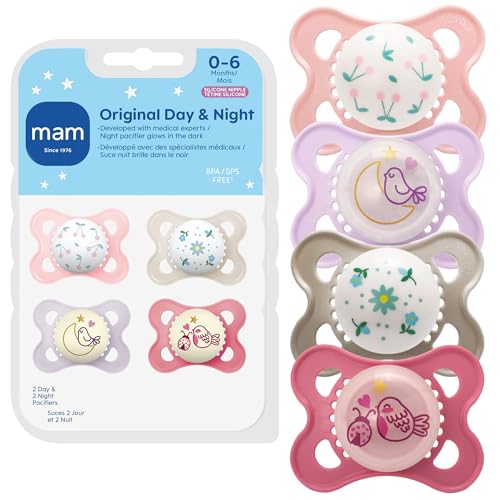
Best for latch comfort and symmetrical development. Skin Soft silicone nipples are designed with orthodontists and pediatric dentists to encourage a natural latch and lasting comfort. The symmetrical nipple has a 94% acceptance rate in typical use, making it a reliable choice for many infants. This option is ideal for parents who want a multi-pack to rotate between feeds and day-and-night use. Consider this if you value a breast-like nipple and easy cleaning.
Best uses: 0-6 months, gentle self-soothing, easy switching between pacifiers. Limitation: multiple pieces may require more routine cleaning compared with a single-piece design.
Philips Avent Soothie 0-3 Months

Best for newborn self-soothing and routine establishment. The Soothie line is a one-piece, 100% medical-grade silicone design that can support a newborn’s natural suckling reflex from day one. It is compatible with feeding routines and breastfed infants, following pediatric guidelines. The design emphasizes durability and safety for very young babies. Choose this if you want a straightforward, medically designed option for early use.
Best uses: 0-3 months, establishing a soothing routine. Limitation: limited color options and no attachment accessories in this pack.
Itzy Ritzy Pacifier & Lovey Set
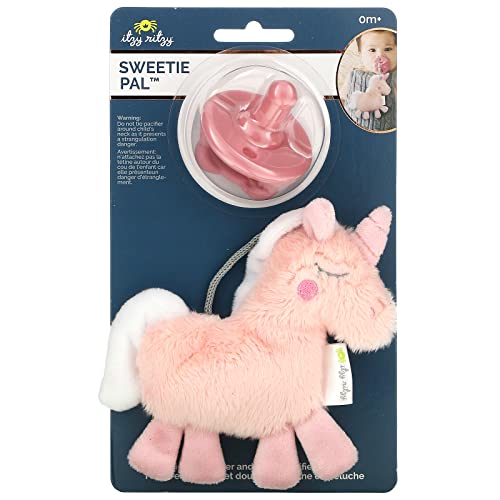
Best for combining comfort with a cuddly companion. This set includes a silicone pacifier and a detachable stuffed unicorn lovey, bringing a familiar friend to soothe your baby. The lovey is machine washable while the pacifier is top-rack dishwasher safe, making daily cleaning practical. It’s ideal for parents who want a comforting toy alongside the pacifier. Caution: ensure the lovey is detached during sleep as a safety measure for safe sleep practices.
NUK 100% Silicone Comfy Orthodontic Pacifiers

Best for a breast-like latch and healthy oral development. The NUK orthodontic nipple shape is designed to fit a newborn’s palate while encouraging proper jaw alignment. A five-pack provides flexibility for everyday use, travel, and easy rotation. This option is suitable for parents prioritizing orthodontic considerations and a traditional nipple shape. Limitation: may be less familiar to families who prefer a single-piece design.
Philips Avent Soothie 3-18 Months Pacifier

Best for growing infants who continue to self-soothe across a wider age window. This version mirrors the Soothie concept but extends to 3-18 months while maintaining a one-piece silicone construction. It helps sustain a consistent self-soothing routine even as the baby grows. Select this if you want continuity of design through early toddler stages and a BPA-free option. Limitation: larger size may not suit very small newborns.
Buying Guide: Key Purchase Considerations
- Age suitability: Most options target 0-6 months, with some supporting up to 18 months. Match the pacifier size and shape to your baby’s age and feeding routine.
- Material and safety: Look for 100% silicone or medical-grade silicone options. One-piece designs minimize crevices for easier cleaning and reduced choking hazards.
- Orthodontic vs standard nipple: Orthodontic shapes are designed to support natural oral development. Consider a nipple shape that aligns with your baby’s latch and comfort.
- Shield design: A contoured shield with ample holes improves airflow and reduces skin irritation. Safety standards and BPA-free materials are essential.
- Maintenance: Some sets include dishwasher-safe parts, sterilizer cases, or removable loveys. Consider your cleaning routine and travel needs.
- Accessories: Loveys or detachable attachments can provide extra comfort but should be removed during sleep for safety.
- Durability and durability for travel: Durable designs withstand frequent use and travel without losing shape or functionality.
FAQ
- Q: Which pacifier is best for a newborn girl? A: Newborns commonly thrive with soft, 100% silicone, single-piece designs that promote comfortable sucking and easy cleaning. Soothie-style pacifiers are a common choice.
- Q: Are orthodontic pacifiers better for development? A: Orthodontic shapes aim to support natural oral development, but individual baby preferences vary. If unsure, consult a pediatric dentist or pediatrician.
- Q: How often should pacifiers be cleaned? A: Clean according to manufacturer instructions, typically daily with routine washing and occasional sterilization. Always wash hands before handling.
- Q: Can pacifiers affect feeding? A: Pacifiers can be used to soothe between feeds and may help establish feeding routines, especially for breastmilk or formula feeding families. Monitor baby’s cues.
- Q: When should I stop using a pacifier? A: Consider weaning strategies around 6-12 months or as advised by your pediatrician, especially to reduce the risk of dental issues with prolonged use.
- Q: Are all pacifiers BPA-free? A: Most reputable brands advertise BPA-free materials. Always check product details to confirm safety standards before purchase.