If your baby resists pacifiers, choose models that mimic natural breastfeeding, use soft silicone, and have a one-piece design to reduce choking risk. This guide highlights five options that commonly work well for babies who prefer a close, breast-like feel. Each choice targets different needs—from newborn self-soothing and orthodontic development to ultra-light designs for easy transitions. Ideal buyers include breastfed infants, parents seeking easy sterilization, and caregivers prioritizing skin comfort and breathability.
Summary table of chosen products
| Product | Best For | Key Benefit |
|---|---|---|
| Garkoko Baby Pacifiers 0-6 Months (One-Piece) | Newborns, breastfed babies | One-piece design, soft silicone, breathable shield |
| Nanobébé Baby Pacifiers 0-3 Month | Breastfed newborns | Orthodontic, seamless silicone, pediatrician-recommended |
| Tommee Tippee Breast-Like Pacifier (4 Pack) | Newborns adjusting from nursing | Breast-like nipple and soft texture, breathable shield |
| NUK 100% Silicone Comfy Orthodontic Pacifiers | Orthodontic development focus | Breast-like shape, comfortable fit |
| Dr. Brown’s HappyPaci 100% Silicone | Lightweight, easy transition | Contoured shield, stable bulb shape |
Garkoko 0-6 Months One-Piece Silicone Pacifier

Best for newborns who need a simple, safe option with minimal parts. This one-piece design reduces choking risks and simplifies cleaning, while the skin-like silicone texture offers a gentle feel against gums. The antistatic coating helps keep the surface clean between sterilizations.
Who it’s best for: Parents seeking a straightforward, BPA-free pacifier for breastfed babies who want a soft, natural feel without extra components. Why selected: It combines a breast-like shape with a durable, easy-to-clean single piece.
Caution: As with any silicone pacifier, inspect the nipple for wear and replace if any cracks appear.
Nanobébé 0-3 Month Pacifiers — Orthodontic, 2 Pack
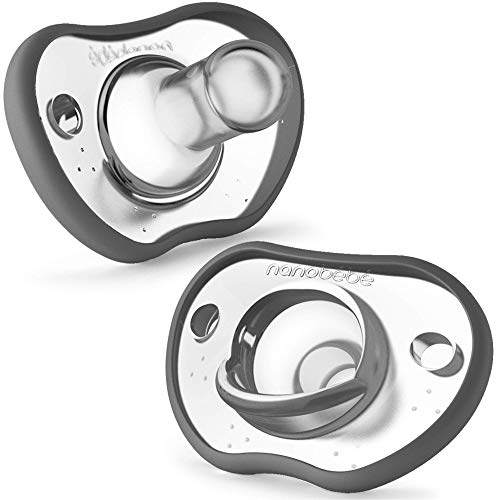
Best for breastfed babies needing a soft, ergonomic fit with orthodontic benefits. The 100% silicone, seamless design follows pediatrician guidance and helps minimize nipple confusion during early weaning from the breast.
Who it’s best for: Parents prioritizing a pediatrician-recommended, one-piece silicone pacifier for breastfed infants. Why selected: It offers a skin-like feel and secure face contour for a calm latch.
Caution: Some babies may take longer to accept due to its minimalist shield design; gradual introduction can help.
Tommee Tippee Breast-Like Pacifier (4 Pack)

Best for babies who benefit from a strong breast-like latch. The nipple’s texture mirrors a mother’s breast, supporting a smooth transition from nursing to pacifier use. Breathable shield helps reduce skin irritation.
Who it’s best for: Parents seeking a trusted, widely available option with a familiar latch for breastfed newborns. Why selected: The design emphasizes natural alignment and a gentle touch for early pacifier acceptance.
Caution: The four-pack size may be more than some households need; consider starter pack if trying a new model.
NUK 100% Silicone Comfy Orthodontic Pacifiers — 0-6 Months

Best for supporting healthy oral development with an orthodontic nipple shape that fits the newborn palate. The 100% silicone design is BPA-free and simple to clean.
Who it’s best for: Parents focusing on orthodontic-friendly pacifiers that still feel close to mama’s breast. Why selected: The nipple shape and silicone material provide a reliable, comfortable experience for many babies.
Caution: Some infants may prefer softer textures; if not accepting after several days, try a different shape or size.
Dr. Brown’s HappyPaci 100% Silicone

Best for parents who want a lightweight, easy transition with a familiar bottle-nipple shape. The one-piece silicone design emphasizes a contoured shield that provides room for the baby’s nose and cheeks, reducing skin contact irritation.
Who it’s best for: Babies who respond well to familiar bottle-likeness and minimal parts. Why selected: The HappyPaci design supports easier transition from bottle or breast without extra assembly.
Caution: As with any pacifier, ensure the shield fits securely to avoid rubbing or irritation around the mouth area.
Buying Guide: Key Purchase Considerations
What matters most when choosing a pacifier for a baby who resists them? Focus on safety, material, fit, and the baby’s personal preferences.
- Material and safety: Look for BPA-free, 100% silicone options that are easy to clean and durable. One-piece designs reduce choking risks by removing small parts.
- Shaped to fit the baby: Breast-like or orthodontic shapes help align with the palate and support natural sucking patterns. Choose a nipple style that resembles a mother’s breast to reduce nipple confusion.
- Shield design and breathing: A breathable shield with adequate air holes helps prevent skin irritation and improves comfort for sensitive skin.
- Size and age range: Ensure the pacifier is labeled for the baby’s current age to guarantee an appropriate nipple size and nipple-to-mouth fit.
- Cleaning and sterilization: Look for products that are dishwasher-safe or easy to sterilize, especially for newborns who require frequent cleaning.
- Durability vs. convenience: Single-piece designs are generally easier to sanitize and less likely to come apart, but some parents prefer multi-pack options for quick replacements.
FAQ: Quick Answers For Buyers
- Are breast-like pacifiers better for breastfed babies? Yes, many babies accept them more easily because they mimic a natural latch and feel similar to mother’s breast.
- What is the advantage of a one-piece pacifier? It reduces choking hazards and simplifies cleaning since there are no seams to harbor bacteria.
- How should I introduce a pacifier if my baby resists it? Start with a familiar, soft nipple shape and offer during soothing times; avoid forcing the pacifier when the baby is upset.
- How many pacifiers should I have? A small starter set plus a spare can be practical; consider the family’s routine and sterilization capacity.
- Can pacifiers affect oral development? Orthodontic styles are designed to support healthy oral development, but consult a pediatrician if you have concerns about long-term use.
- When should I replace a pacifier? Replace if the silicone becomes worn, cracked, or torn to maintain safety and hygiene.