Quick answer: the best pacifiers for breastfed babies mimic mom’s breast to support natural latch and soothe without interfering with breastfeeding. This guide highlights five top options that are well-suited for breastfed infants, focusing on one-piece designs, silicone nipples, and skin-friendly materials. Each choice includes who it’s best for, possible limitations, and practical tips for use. Buyers should prioritize orthodontic or breast-like shapes, BPA-free materials, and easy cleaning when selecting a pacifier for a breastfed baby.
| Product | Best For | Key Benefit |
|---|---|---|
| NUK Timeless Comfy Pacifier | Newborns in the first 0-6 months | Breast-like nipple shape for natural fit |
| Garkoko One-Piece Silicone Pacifier | Breastfed babies needing a simple, clean design | One-piece construction, antistatic silicone |
| NUK Nature Simply Natural Pacifier | Breastfed infants needing soft silicone skin feel | Silicone shield and nipple for skin-like feel |
| MAM Original 0-6 Months | Newborns seeking comfort and compatibility with latch | Skin Soft Nipple, orthodontic design |
| Philips Avent Soothie 0-3 Months | Very young newborns requiring durable, medical-grade silicone | 100% medical-grade silicone, one-piece |
NUK Timeless Comfy Pacifier

The NUK Timeless Comfy Pacifier uses a silicone, one-piece design shaped for newborns, with a breast-like nipple that fits a baby’s palate. It’s BPA-free and designed to be gentle on the skin. This option is best for parents who want a simple, reliable pacifier that supports a natural latch during breastfed feeding.
Best for: Parents seeking a straightforward, skin-friendly option for 0-6 months that aligns with natural breastfeeding patterns. Limitation: as with any pacifier, some babies may reject it if they are accustomed to a different shape.
Garkoko One-Piece Silicone Pacifier

Garkoko’s 0–6 months pacifier features a one-piece silicone construction, which minimizes choking risk and simplifies cleaning. The surface uses an antistatic treatment to reduce dust and hair attraction, and the silicone nipple aims to mimic the feel of mom’s breast. The design prioritizes a breathable shield and baby comfort, making it a solid choice for breastfed infants who need reliable self-soothing.
Best for: Parents valuing a one-piece, easy-clean option with a skin-like feel. Caution: ensure the shield’s airflow is comfortable for your baby’s skin, as some infants may prefer more open shields.
Garkoko 2-Pack Breast Like Shape Pacifier

This 0–6 months option from Garkoko emphasizes a breast-like shape with a one-piece silicone design. The set offers a practical value and includes options for travel or trial. The nipple texture is designed to mirror the feel of mom’s breast, aiding in natural self-soothing and latch maintenance during breastfeeding.
Best for: Those who want a trial pack or value option without sacrificing a breast-like feel. Limitation: two-pack options may not suit all babies if a single size is preferred.
NUK Nature Simply Natural Pacifier

The NUK Nature Simply Natural pacifier combines a silicone shield and nipple to create a soft, skin-like feel. The shield is shaped to curve away from the baby’s face for comfortable fit, aiming to support a relaxed latch that aligns well with breastfed feeding.
Best for: Parents seeking a silicone-skin experience aligned with skin-to-skin comfort. Caution: its silicone materials still require regular cleaning to maintain a smooth surface for chewing and mouthing.
MAM Original 0-6 Months Pacifier
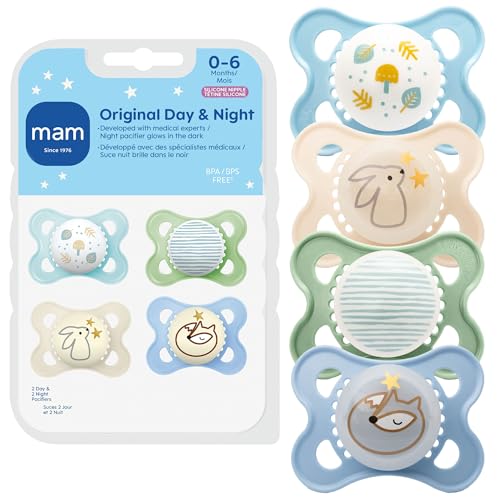
MAM’s Original pacifier uses a Skin Soft silicone nipple and an orthodontic, symmetrical design to support a natural latch. It’s developed with input from professionals and is designed to be comfortable for long periods of use, with a focus on stable oral development. The set includes four packs for ongoing use and backup.
Best for: Parents seeking a dentist-endorsed, skin-friendly option that supports a natural latch. Caution: some babies may require time to adapt to the symmetrical nipple orientation.
Philips Avent Soothie 0–3 Months

The Philips Avent Soothie pacifier is a 100% medical-grade silicone, one-piece design intended for newborns 0–3 months. It’s built to support natural suckling and is designed to be BPA-free and durable, aligning with pediatric guidelines for early soothing. The pack is a practical option for families prioritizing medical-grade materials.
Best for: Parents requiring a medical-grade option with simple design for very young babies. Caution: some babies may prefer a larger or smaller nipple size as they grow.
Buying Guide: Key Considerations For Breastfed Babies
- Breast-like shape vs. orthodontic: Choose a nipple shape that resembles mom’s breast to support natural latch and optional breastfeeding continuation.
- One-piece design: Reduces choking risk and simplifies cleaning. This is especially important for breastfed babies who frequently put the pacifier in and out of the mouth.
- Material: Silicone is common and durable; medical-grade silicone is preferred for newborns and ongoing use. BPA-free is essential for safety.
- Shield design and airflow: Look for shields with adequate holes or vents to prevent irritation and rash on sensitive baby skin.
- Size and age range: Most 0–6 month pacifiers suit newborns; double-check the recommended age range and adjust as baby grows.
- Cleaning and sterilization: Ensure the pacifier can be boiled or sterilized according to manufacturer guidelines to maintain hygiene.
- Durability: For chewing and biting, consider soft nipples that still hold shape and don’t overly collapse during use.
Frequently Asked Questions
- What makes a pacifier suitable for breastfed babies?
– Pacifiers with breast-like shapes and one-piece designs support natural latch and safer cleaning, reducing interference with breastfeeding when used appropriately. - How should I choose the right size?
– Start with 0–6 months for newborns; monitor your baby’s age and growth, and switch when they show signs of needing different nipple stiffness or width. - Is silicone better than latex for a breastfed baby?
– Silicone is durable, easy to clean, and generally hypoallergenic. Latex pacifiers may be softer but can wear faster and cause allergies in some babies. - How often should I replace a pacifier?
– Replace if the shield or nipple shows cracks, discoloration, or wear, or if the baby develops rashes around the mouth that could indicate irritation. - Can pacifiers affect breastfeeding?
– When used after breastfeeding is established and chosen thoughtfully, pacifiers typically don’t hinder breastfeeding, but early use should be guided by a caregiver or pediatrician. - Should I sterilize pacifiers daily?
– Regular cleaning is recommended; follow the manufacturer’s sterilization instructions to maintain hygiene while avoiding material damage.