Safe noise protection for babies and toddlers is essential. This guide highlights five top-rated protective headphones that help reduce loud sounds in busy environments while remaining comfortable for small heads. The best options suit newborns to toddlers and cover sleep support, travel, fireworks, concerts, and everyday exposure. Below, you’ll find quick-fit notes to help you choose the right fit and protection level for your child.
Summary of selected products
| Product | Best For | Key Benefit |
|---|---|---|
| Alpine Muffy Baby Ear Protection (Green) | Infants to 36 months | Adjustable, multi-layer foam for safe sleep and hearing protection |
| Alpine Muffy Baby Ear Protection (Blush) | Young toddlers | Same protective design with gentle fit and 4-year grow-with-you sizing |
| Alpine Muffy Baby Comfort | Sensitive ears, longer wear | 24 dB reduction, soft padding, fontanelle-friendly design |
| HOIGRBOM Baby Headphones | Active families | 24 dB protection with adjustable, pressure-free headband |
| BANZ Baby Earmuffs | Travel and events | NRR around 26 dB with plush comfort and grow-with-you headband |
Alpine Muffy Baby Ear Protection Green
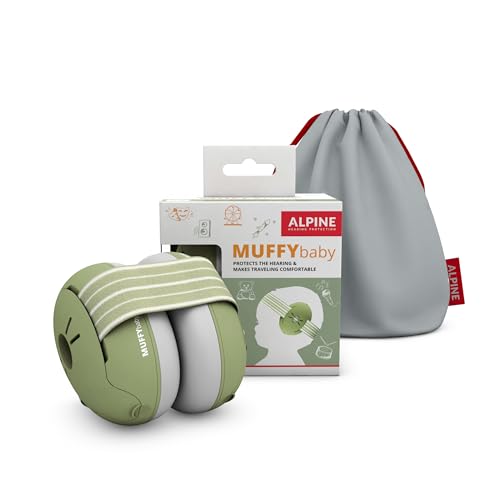
Best for infants and toddlers up to 48 months, this model uses adjustable headbands and multi-layer foam to limit noise exposure. It helps protect delicate hearing during fireworks, crowded events, or naps in loud environments. The product is CE and ANSI certified for safety. Suitable for parents seeking a simple, reliable fit that grows with the child.
Best for: babies who need reliable daytime sleep and quiet during noisy outings. Use with supervision to ensure proper seal and fit. Caution: avoid over-tightening to prevent discomfort on sensitive ears.
Alpine Muffy Baby Ear Protection Blush

Targeted for toddlers, this blush variant shares the same protective design, adjustable fit, and safety certifications. The adjustable headbands and padding are designed to be gentle on continued wear during travel or events. The 4-year growth range makes it a practical choice for growing children.
Best for: families wanting a visually distinct option with identical protective features. Caution: ensure the band remains comfortable across long wear sessions to prevent pressure points.
Alpine Muffy Baby Comfort

Designed for sensitive ears, this option offers 24 dB noise reduction with a soft, fontanelle-friendly fit and a comfortable headband. It is CE and ANSI certified and aimed at children from 3 months to about 5 years. The pre-attached cups help ensure a stable seal while the padding reduces pressure during wear.
Best for: babies and toddlers with sensitive ears or those who require longer wear times. Caution: the more robust padding may feel snug for very small heads early on.
HOIGRBOM Baby Ear Muffs

These earmuffs use a three-position adjustable headband with an anti-slip design to protect the fontanelle area. They provide 24 dB of noise reduction and are built with kid-safe materials. Suitable for airplanes, concerts, and outdoor events where ear protection is needed.
Best for: parents seeking a flexible, adjustable option that stays comfortable during travel. Caution: verify the headband length as a growing child may require frequent adjustments.
Baby BanZ Earmuffs

With an NRR of about 26 dB, these earmuffs offer strong protection while maintaining a soft, comfortable fit. The headband is adjustable and designed to grow with the child from infancy through toddler years. They are lightweight and easy to carry on trips or outings.
Best for: infants and toddlers who frequently attend loud events. Caution: check fit before extended wear to avoid slipping during active play.
Buying Guide
What level of protection do I need?
Most baby earmuffs provide 20–26 dB of noise reduction. For casual family events, 22–24 dB is often sufficient. For louder environments like concerts or fireworks, aim for 26 dB or higher while ensuring comfort.
How important is fit and comfort?
Look for soft padding, a stretchy but gentle headband, and no hard edges near the fontanelle. Adjustable designs help the headband grow with the child and reduce pressure during longer wear times.
Are they safe and certified?
Certifications such as CE or ANSI indicate compliance with safety standards. Confirm that the cups are well-sealed but not overly tight, and that materials are child-safe (BPA-free, hypoallergenic if possible).
Which style should I choose?
Choose a model with an adjustable headband and soft cups for comfort. If you need multiple colors or family-wide use, consider variants with similarly rated protection and fit range.
Practical tips for use
- Check fit every few weeks as your child grows.
- Use earmuffs during car rides, flights, fireworks, or loud concerts.
- Supervise wear to ensure the earmuffs stay in place and don’t cause irritation.
FAQ
- Q: How many decibels do baby earmuffs reduce noise by? A: Most models reduce around 22–26 dB, depending on design.
- Q: Are these earmuffs safe for fontanelles? A: Yes, many models are designed with fontanelle-friendly headbands and soft padding.
- Q: Can I use these for newborns? A: Some models start at 3 months; check product age ranges before purchasing.
- Q: Do they block ambient sounds completely? A: No, they reduce harmful loud noises while allowing normal ambient sounds to remain audible.
- Q: Are these machine-washable? A: Cleaning guidance varies by model; follow manufacturer instructions for best results.
- Q: How do I know if the fit is correct? A: The earmuffs should cover the ears completely without applying excessive pressure.