If you’re searching for safe bottles for babies, this guide highlights five reliable options that balance oxygen safety, easy cleaning, and comfortable feeding for infant milestones. Each pick targets different feeding needs—anti-colic systems, glass durability, or breast-to-bottle transition—so you can match a bottle to your baby’s temperament and your lifestyle. This article helps American parents compare features, understand best-use scenarios, and choose confidently.
Product Comparison At A Glance
| Product | Best For | Key Benefit |
|---|---|---|
| Evenflo Feeding Classic Tinted Plastic Bottles | Toddlers or newborns who need easy grip | Lightweight, colorful design with micro air vents |
| MAM 6oz Feel Good Pure Glass Bottle | Parents seeking durable glass and anti-colic tech | Shatter-resistant borosilicate glass with anti-colic nipple |
| Philips Avent Natural Bottle (4oz, 4-pack) | Breast-to-bottle transitions | Natural, breast-like nipple and flow control |
| Dr. Brown’s Natural Flow Options+ (8 oz, 4-pack) | Infants prone to colic or gas | Internal vent system preserves nutrients and reduces air |
| Tommee Tippee Natural Start Anti-Colic (9 oz) | Transitioning between bottle and breast | Anti-colic valve and self-stabilizing design |
Evenflo Feeding Classic Tinted Plastic Bottles
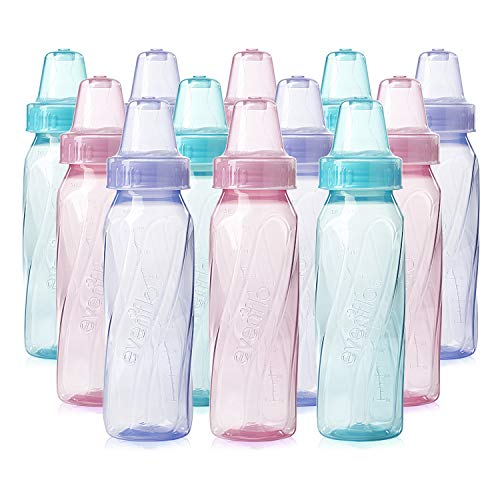
Best for: Parents who want a lightweight, easy-to-hold bottle with clear measurement marks. These bottles are colorfully designed to please caregivers and are simple to grip, making them a practical option for busy feeding sessions.
Why chosen: The micro air vent system helps prevent nipple collapse, aiding smoother flow and reducing effort during feeds. Molded measurement markers in both ounces and milliliters simplify tracking intake for growing babies.
Caution: The plastic material requires regular cleaning to avoid staining and odor retention; ensure you follow the manufacturer’s cleaning instructions to maintain clarity and safety.
MAM 6oz Feel Good Pure Glass Bottle

Best for: Parents who prefer glass bottles for durability, stain resistance, and an anti-colic design. Great for families wanting less scent absorption and a clean, easy-to-clean option.
Why chosen: Premium borosilicate glass offers high resistance to heat and temperature changes, supporting heating, dishwasher cleaning, and sterilization. The anti-colic nipple design reduces air intake for comfortable feeds.
Caution: Glass bottles can be heavier; consider grip comfort for prolonged feeding sessions and check for any impact tolerance when dropped.
Philips Avent Natural Bottles (4oz, 4-Pack)

Best for: Families transitioning between breast and bottle feeding, seeking a natural latch and comfortable feed pace.
Why chosen: The Natural bottle pairs a breast-like nipple with flow designed to align with a baby’s natural feeding rhythm. It supports a smooth switch between breastfeeding and bottle feeding.
Caution: The 4oz size may require more frequent refills with older babies; consider whether you need a larger option for longer feeds.
Dr. Brown’s Natural Flow Options+ (8 oz, 4-pack)

Best for: Parents dealing with colic symptoms, spit-up, or gas, seeking a bottle that helps digestion and nutrient preservation.
Why chosen: The internal vent system is designed to reduce colic and support a consistent flow, which can help babies feed at their own pace while preserving nutrients.
Caution: Cleaning the vent system is essential; improper cleaning may impact performance or ventilation efficiency.
Tommee Tippee Natural Start Anti-Colic 9 oz

Best for: Parents who want a seamless transition between bottle and breast while minimizing air intake and introducing a natural latch.
Why chosen: The nipple design with an anti-colic valve reduces air intake, supporting a comfortable feeding pace. Self-stabilizing features help prevent leaks and messes during on-the-go feeding.
Caution: The 9 oz size may be larger than some newborns need; ensure the baby’s appetite aligns with the bottle capacity to avoid waste.
Buying Guide: Key Considerations For Safe Baby Bottles
What should you consider when choosing a baby bottle for safety and ease of use?
- Material and safety: Look for BPA-free plastics, medical-grade glass, and bottles designed to minimize chemical exposure. Glass bottles are durable for frequent sterilization, while certain plastics are lighter and easier to grip.
- Anti-colic features: Bottles with internal venting systems or anti-colic nipples can reduce air ingestion, which may decrease spit-up and gas in some babies.
- Flow rate and nipple shape: A nipple that matches your baby’s feeding pace helps prevent overfeeding and nipple confusion during transitions between breast and bottle.
- Cleaning and sterilization: Choose designs that are easy to disassemble and clean thoroughly. Dishwasher-safe parts can save time but follow manufacturer instructions for sterilization.
- Compatibility: Consider whether the bottle works with your preferred formula or breast milk storage method, and whether you’ll need adapters for breast pump compatibility.
- Size and age range: Start with smaller sizes for newborns and transition to larger bottles as your baby grows. Ensure the bottle capacity aligns with your feeding routine.
- Durability and grip: For caregivers, a bottle that’s easy to hold, even with wet hands, reduces the risk of spills and accidental drops.
Frequently Asked Questions
- What bottle material is safest for babies?
- Do anti-colic bottles really reduce gas?
- How do I choose the right nipple flow rate?
- Are glass bottles safer than plastic?
- How often should I replace bottles?
- What is the best bottle for transitioning between breast and bottle?
Both BPA-free plastics and borosilicate glass are common. Glass resists staining and odors and can be easier to sterilize, while BPA-free plastics are lighter and more impact-resistant.
Anti-colic bottles with internal vents can reduce air intake, which may lessen gas and spit-up in some babies, though results vary by infant.
Start with a slower flow for newborns and observe feeding cues. If milk consistently spills or the baby gulps too fast, adjust to a slower or medium flow nipple as appropriate.
Glass bottles are non-porous and easy to sterilize, reducing odor retention. However, they are heavier and can break, so handling care is important.
Inspect bottles for cracks, discoloration, or weakened seams regularly. Replace any damaged parts to maintain safe feeding and proper venting.
Bottles designed for a natural latch and slow-flow options—like the Philips Avent Natural and Tommee Tippee Natural Start—are commonly recommended for smoother transitions.