Safe baby powders provide moisture absorption and comfort without exposing delicate skin to harsh ingredients. This guide highlights five trusted choices, explaining who each product is best for and why it stands out. Suitable for parents seeking talc-free, naturally derived options, these picks emphasize baby-friendly formulations and clear ingredient lists.
Summary table of selected products:
| Product | Brand | Best For | Key Benefit |
|---|---|---|---|
| Burt’s Bees Baby Dusting Powder | Burt’s Bees | Newborns and routine diaper care | 100% natural origin, talc-free, cornstarch-based |
| Era Organics Talc-Free Organic Powder | Era Organics | Sensitive or reactive skin | USDA organic, fragrance-free |
| Noodle & Boo Delicate Powder | Noodle & Boo | Newborns, soothing and irritation-prone skin | Aloe Vera and Allantoin for soothing |
| Pure Clay Talc Free Baby Powder | PURE CLAY | Parents preferring single-ingredient formula | Calcium bentonite clay, fragrance-free |
| Johnson’s Cornstarch Baby Powder with Aloe | Johnson’s Baby | Classic option with gentle cornstarch | Naturally derived cornstarch, aloe, vitamin E |
Burt’s Bees Baby Dusting Powder

Features: This talc-free powder uses naturally absorbent cornstarch and a mild scent to keep skin dry and comfortable between diaper changes. It is 100% natural origin and formulated without parabens, phthalates, petrolatum, or SLS. Best for: Parents seeking a simple, natural option for everyday use on a newborn’s skin. Limitation: Some babies may prefer fragrance-free options, as Burt’s Bees has a light scent.
Why selected
Best for parents who want a clean, natural ingredient list with a light, pleasant fragrance. The cornstarch base provides reliable moisture absorption without talc, aligning with cautious newborn care guidelines.
Era Organics Talc-Free Organic Baby Powder
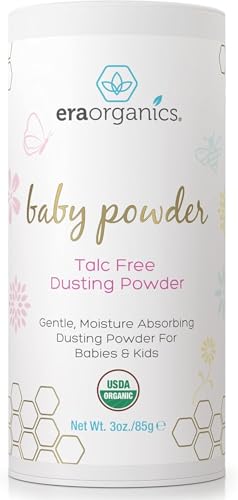
Features: USDA organic, talc-free, arrowroot and calendula with a triple-action formula. Suitable for newborns, babies, and toddlers. Best for: Families seeking a fragrance-free, dermatologist-tested option with organic ingredients. Caution: The formula relies on natural actives; users with sensitive skin should test a small area first.
Why selected
Era Organics emphasizes clean, organic composition with a focus on sensitive skin support. It’s a strong choice for parents prioritizing USDA Organic certification and a fragrance-free experience.
Noodle & Boo Delicate Baby Powder

Features: Talc-free formula with Aloe Vera and Allantoin for soothing relief; designed to keep skin dry and comfortable. Best for: Newborns or babies with irritation-prone skin that benefit from soothing additives. Limitation: As with any product containing additional moisturizers, ensure it does not leave a heavy residue on skin folds.
Why selected
This option emphasizes gentle care with soothing ingredients, making it suitable for babies who experience occasional chafing or irritation in sensitive areas.
Johnson’s Baby Cornstarch Powder with Aloe

Features: 1.5 ounces of cornstarch powder with aloe and vitamin E; hypoallergenic and dermatologist-tested. Free from parabens, phthalates, dyes, and sulfates. Best for: Parents seeking a long-trusted brand with a simple, gentle formula for delicate skin. Caution: Smaller size may require frequent reapplication during longer outings.
Pure Clay Talc Free Baby Powder
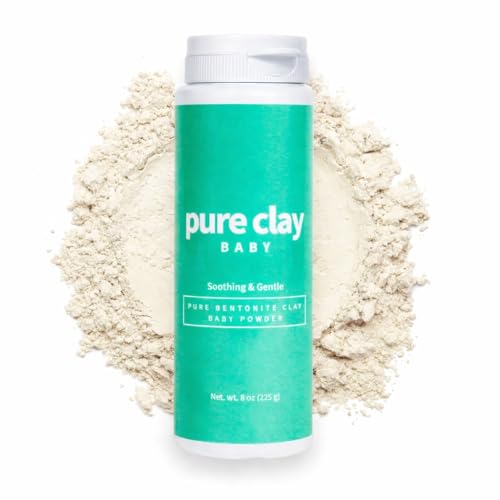
Features: A single-ingredient formula using food-grade bentonite clay; talc-free, cornstarch-free, fragrance-free, and unscented. Best for: Parents who prefer a transparent, minimal-ingredient option for sensitive infant skin. Caution: Being clay-based, it may feel different than traditional powders and could require a gentle application technique to prevent clumping.
Buying Guide
- What does “talc-free” really mean for baby powder? It indicates the product does not include talc, a mineral sometimes associated with respiratory concerns when inhaled. Talc-free options often rely on cornstarch or natural clays for moisture absorption.
- What ingredients should I look for? Look for cornstarch, arrowroot, or safe clays; soothing additives like aloe, calendula, or chamomile can help sensitive skin. Avoid products with fragrances, parabens, phthalates, or sulfates if your goal is a minimal, baby-friendly formula.
- Which formulas are best for sensitive skin? Fragrance-free, hypoallergenic options with simple ingredient lists tend to be gentler on newborns and infants with irritations.
- When should you switch powders? If a baby experiences redness, itching, or a rash after using a powder, discontinue and consult a pediatrician. Consider a fragrance-free, single-ingredient option as an alternative.
- What sizes are practical for travel? Small, refillable or travel-sized containers help avoid over-application and keep powders away from lungs during application.
- How does ingredient transparency help? Clear labeling and minimal ingredients reduce guesswork for caregivers and align with cautious newborn care practices.
Frequently Asked Questions
- Is talc-free powder always safer for babies? Talc-free powders reduce potential inhalation concerns linked to talc, but safety also depends on ingredients and how the product is used.
- Can I use baby powder every day? Daily use is common for moisture management; monitor for irritation and adjust if needed.
- Are natural or organic powders better? They can be gentler, but verify certifications and ingredient lists, as “organic” does not automatically guarantee suitability for all babies.
- What should I do if my baby has a rash after using powder? Stop using the product and consult a pediatrician for appropriate care and alternatives.
- Do these powders prevent diaper rash? They help with moisture absorption and comfort, but diaper rash prevention also depends on diapering practices, skin care, and frequent diaper changes.
- Are all these products fragrance-free? Not all are; Burt’s Bees includes a mild scent, while others emphasize fragrance-free formulas. Always check the ingredient list for scents.