Finding the right seat for a 3-month-old can support early sitting, neck control, and safe posture. This guide highlights five reliable options, explains who each is best for, and notes practical limits. Ideal buyers include parents seeking portable or travel-friendly seats, or those needing a multi-use option that grows with the child. The selected products emphasize safety features like sturdy bases, back support, and non-slip bottoms, plus easy-clean materials. Use the quick comparison table to compare key traits before you buy.
| Product | Best For | Key Benefit | Limitations |
|---|---|---|---|
| Bavbiiy Upgraded Inflatable Baby Seat | Travelers and tight-space homes | Soft hug, guardrails, quick setup | Inflatable design requires proper inflation to maintain support |
| Infantino Music & Lights 3-in-1 Discovery Seat | Parents needing activities during meals | Grows from activity center to snack seat to booster | Requires space for transitions |
| EKEPE Inflatable Baby Seat | Compact, portable seating | Built-in air pump, bionic wrap design | Inflatable seat may require careful use around rough play |
| Bright Starts 3-in-1 SuperSeat Playful Paradise | Interactive play and mealtime | Detachable toys, 360° tray rotation | Bulkier when used as a booster |
| Fisher-Price Portable Sit-Me-Up Chair | Simple, portable upright support | Sturdy base with two toys | Traditional design, fewer growth modes |
Bavbiiy Upgraded Inflatable Baby Seat

The Bavbiiy inflatable chair is designed for babies aged 3–36 months, offering guardrails and a curved backrest. Best for parents prioritizing a snug, parent-like embrace with strong spine support as babies learn to sit up. The three-point guardrail helps prevent forward tipping, and the breathable bottom vents are intended to reduce discomfort during longer sessions.
Who it’s best for: families needing a compact, portable seat that still provides safety features for early sitting stages. Why selected: emphasis on guardrails and a hug-like fit addresses the common risk of falling during initial sitting attempts. Caution: ensure the seat is fully inflated and on a non-slip surface to maintain balance; underinflation can reduce stability.
Infantino Music & Lights 3-in-1 Discovery Seat
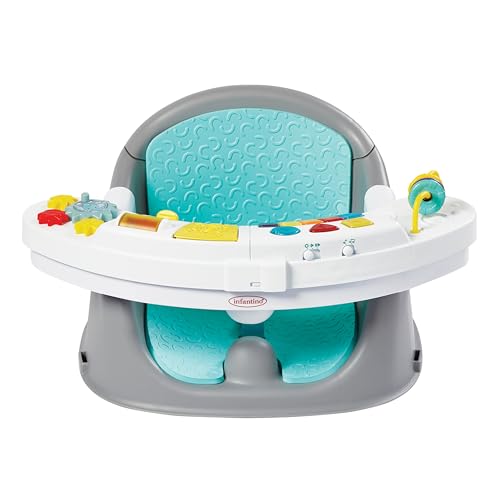
This 3-in-1 seat grows with your baby—from a baby activity center to a snack seat and then a booster for mealtime. It’s best for caregivers who want a single seat that adapts as the child develops. It includes a light-up piano with 20 songs and toy pods that promote motor and sensory exploration, plus a hidden snack tray for seamless transitions during feeding.
Who it’s best for: families seeking a long-lasting seat that keeps a baby engaged during play and meals. Why selected: the built-in music, lights, and detachable snack tray support varied activities in one seating solution. Caution: ensure the seat fits your dining space when used as a booster, and supervise during transitions to avoid tipping.
EKEPE Inflatable Baby Seat

The EKEPE inflatable seat is designed for quick setup with a built-in air pump and a leak-proof valve. It offers a padded backrest and a ‘bionic wrap’ feel to simulate parental arms, which can aid in soothing and safety during early sitting. The back airbags add further stability for upright learning and sit-up practice.
Who it’s best for: families prioritizing portability and quick inflation for travel or outings. Why selected: the combination of a built-in pump, soft wrap design, and double-protection back airbags supports safe seating on the go. Caution: check for air leaks before outdoor use and practice with a flat, stable surface to avoid tipping on uneven ground.
Bright Starts 3-in-1 SuperSeat Playful Paradise

This versatile seat transitions from an activity center to a floor seat with a snacking tray, then to a booster seat for dining. It includes six jungle-themed toys that promote motor skills, and a tray that rotates 360 degrees for easy access to play or feeding. It’s best for infants who are starting to sit up and enjoy playtime without constant repositioning.
Who it’s best for: households that want a single seating solution with toys and a flexible tray. Why selected: the multi-mode design supports growth from 6 months onward, providing ongoing value. Caution: the footprint can be larger than other options when used as a booster; ensure your dining chairs can accommodate the seat securely.
Fisher-Price Portable Sit-Me-Up Floor Seat
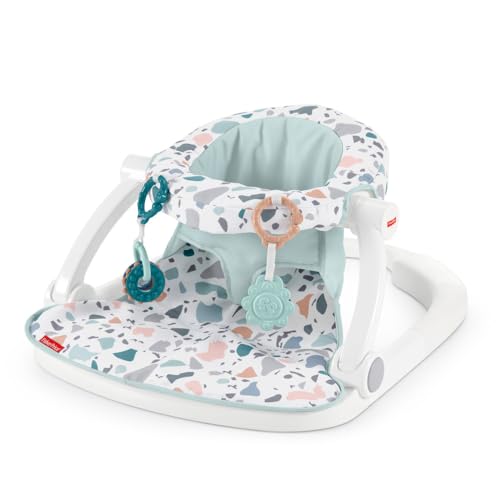
The Fisher-Price portable chair provides upright support with a wide base and two linkable toys for visual and tactile engagement. It’s suitable for short sitting sessions and quick transitions, making it a practical option for busy caregivers and travel-friendly needs.
Who it’s best for: parents seeking a straightforward, portable seat with supportive geometry and simple toys. Why selected: dependable build, compact design, and easy cleaning. Caution: fewer adjustable modes than multi-use seats, which may limit growth with a rapidly changing baby.
Buying Guide: Key Purchase Considerations
- Age and Development: Choose seats labeled for babies starting at 3 months and progressing to sitting independently. Look for adjustable back support and a stable base to support early posture.
- Portability and Storage: If frequent travel or small spaces are a factor, consider blow-up or foldable designs with a compact footprint and quick-inflate features.
- Safety Features: Guardrails, non-slip bottoms, and breathable seat fabrics reduce risk during longer sessions. Prefer seats with machine-washable covers for easy cleaning.
- Growth Potential: Multi-use seats that convert from activity centers to snack seats or boosters offer more value as babies grow.
- Cleaning and Maintenance: Materials should be non-toxic, easy to wipe, and resistant to odors and moisture. Removable, washable covers are a plus.
Frequently Asked Questions
- What age should a baby start using a sit-me-up seat? – Parents typically introduce sit-up seats around 3 months, when head control begins improving and the baby can sit with support.
- Are inflatable baby seats safe for newborns? – Inflatable models are designed for babies once they can hold their head up and sit with support, usually several months in. Always monitor closely and follow manufacturer guidelines.
- Can a seat replace a high chair for meals? – Some seats convert to boosters or include trays, but most infants still require a high chair for longer meals as they become more active. Use the seat for supervised meals only.
- What should I look for in a portable baby seat? – Prioritize stability, guardrails, a comfortable backrest, a non-slip base, easy cleaning, and compact storage.
- How do I transition my baby between seats safely? – Place the baby on a flat, stable surface and supervise closely during transitions. Make sure the new seat is properly assembled and secure before seating.
- Are all these seats BPA-free? – Most reputable brands design their seats with BPA-free materials. Check product specifications for confirmation.