When choosing silicone cups for babies, the priority is safety, ease of use, and development support. This guide highlights five top silicone baby cups designed to ease the bottle-to-cup transition, reduce spills, and aid teething-friendly sipping. Each product is explained with who it’s best for and why it stands out. Ideal for parents seeking durable, non-toxic options that grow with a child’s drinking skills.
| Product | Brand | Capacity | Best For | Key Benefit |
|---|---|---|---|---|
| Moonkie Silicone Baby Sippy Cups | 4 oz 2Pack | Moonkie | 4 oz | Infants transitioning from bottle | Three-in-one design: straw, spout, open cup |
| PandaEar 2 Pack 3.5oz | PandaEar | 3.5 oz | Toddlers needing non-slip grips | Non-slip grip bumps for little hands |
| SAMiGO Silicone Sippy Cup 6 oz | SAMiGO | 6 oz | Toddlers 6–18 months, leak resistance | Firmer lid, see-through window, leak resistant |
| Infantino My 1st Tumbler 9 oz | Infantino | 9 oz | On-the-go hydration | Leak-resistant straw, easy-grip handle |
| ezpz Tiny Cup (Sage/Olive) 4 months+ | ezpz | Open cup variant | Baby-led weaning transition | Non-slip grip and weighted base for stability |
Moonkie Silicone Baby Sippy Cups — 4 oz 2Pack

The Moonkie 4 oz sippy cup set is designed to support a smooth bottle-to-cup transition for infants and toddlers. Its three-in-one design lets caregivers switch between straw, spout, and open cup modes, encouraging independent drinking while promoting lip closure and safe swallowing. The soft, food-grade silicone is BPA-free and gentle on developing teeth and gums. This option is best for families seeking a single cup that grows with their child’s drinking milestones.
- Best for: Early transition from bottle, teething-friendly use.
- Why selected: All-in-one versatility reduces the need for multiple cups; ADA-aligned guidance supports a healthy transition.
- Caution: The 4 oz capacity may require frequent refilling for longer outings.
PandaEar 2 Pack 3.5oz Silicone Cups

The PandaEar cups are designed with little hands in mind. The 3.5 oz capacity is ideal for tiny sips, and the non-slip grip bumps provide a secure hold during messy transitions. Made from silicone, these cups are a practical alternative to plastics, durable for daily use. They’re dishwasher-safe on the top rack, supporting quick cleanups.
- Best for: Toddlers who need a secure grip and easy handling.
- Why selected: Non-slip design helps reduce spills; compact size fits in therapy and travel routines.
- Caution: Smaller capacity may require more frequent refills for active days.
SAMiGO Silicone Sippy Cup — 6 oz

SAMiGO’s 6 oz sippy cup emphasizes leak resistance and visibility. A firmer lid, see-through window, and accurate measurements help caregivers portion liquids precisely while watching intake. The cup is designed to be sturdy during drops and squeezes, making it suitable for busy households and daycare settings.
- Best for: Toddlers transitioning to more independent use at home or on the go.
- Why selected: Clear measurement window aids feeding without opening the cup; strong lid reduces spill risk.
- Caution: The rigid lid design may be less forgiving for the youngest infants compared to softer spouts.
Infantino My 1st Tumbler — 9 Oz

The Infantino 9 oz tumbler combines a sleek, modern look with practical features for everyday use. Its leak-resistant straw design includes a soft-tipped, hidden valve to control flow and minimize messes, while the easy-grip handle supports on-the-go sipping. This cup is well-suited for families who want a larger capacity for longer outings without sacrificing portability.
- Best for: On-the-go hydration and parents who prefer a stylish, mid-sized cup.
- Why selected: Strong leak resistance and a handle for easy carrying.
- Caution: 9 oz capacity may be heavy for the smallest babies during open-cup learning.
SAMiGO Tiny Open Cups — 2 oz

SAMiGO’s tiny 2 oz cups are designed to shorten the learning curve for open-cup drinking. The compact size fits little mouths, while a weighted, textured bottom reduces tipping. Perfect for practice in a controlled setting, these cups minimize spills while encouraging a natural sipping action.
- Best for: Babies learning to drink from an open cup while minimizing spills.
- Why selected: Textured bottom adds stability; appropriately scaled for tiny hands.
- Caution: Very small capacity may require more refills during longer meals.
Olababy Silicone Training Cup With Straw Lid
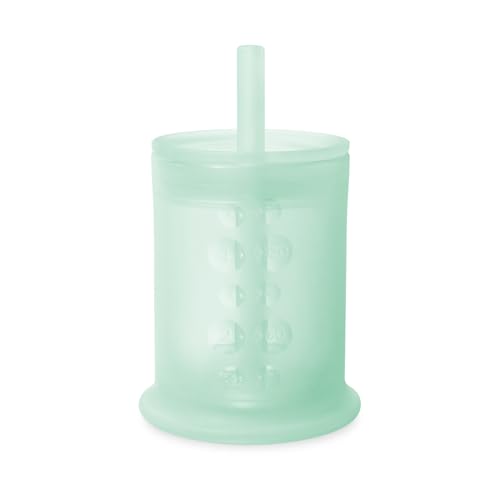
The Olababy cup combines a straw lid with a large open-cup capability, supporting versatility from 6 to 18 months. Made from high-purity silicone, it’s free of BPA, PVC, lead, and phthalates. The wide, weighted base and non-slip surface work together to lower spill risk as babies learn to drink independently.
- Best for: Early independent drinking, with flexible use as straw or open cup.
- Why selected: Pediatric-friendly design from a trusted developmental perspective.
- Caution: May be challenging for the youngest infants who require more mouth support early on.
Buying Guide: Key Purchase Considerations
Open-cup readiness, mouth size, and grip style influence which silicone cup is the best fit. Consider these factors when comparing options:
- Age and development stage: For babies just starting, choose cups labeled as 4 oz or 3.5 oz with gentle spouts. For toddlers building independence, larger capacities and open cups are helpful.
- Spill resistance: Lids, valves, and weighted bases reduce mess. If spills are a major concern, prioritize cups with leak-resistant lids.
- Grip and handling: Non-slip grips and ergonomic handles benefit small hands and caregivers alike.
- Material safety: Ensure products are BPA-free, PVC-free, and free from phthalates and heavy metals.
- Durability and care: Dishwasher-safe options simplify cleaning; consider top-rack safe designs for longevity.
FAQ
- What age are silicone cups appropriate for? Generally suitable from around 6 months, varying by cup design and the child’s development.
- Are silicone cups safe for teething babies? Yes, many are designed to be gentle on gums and teeth, using soft, flexible silicone.
- Do silicone cups prevent spills? Many models feature leak-resistant lids or weighted bottoms to reduce spills, though no cup is completely spill-proof.
- Can I use silicone cups for open-cup training? Yes, several models transition from straw or spout to open cup to support speech and safe swallowing.
- How do I clean silicone cups? Most are dishwasher-safe (top rack recommended). Hand washing with mild soap is also effective.
- What should I avoid when using silicone cups? Avoid high heat beyond manufacturer recommendations to preserve silicone integrity and avoid attaching to rough surfaces that can scratch the material.