Looking for a sleep monitor for your baby? This guide highlights five top options that help parents track heart rate, oxygen, breathing, and sleep patterns while offering reliable alerts. Wearable monitors suit families seeking continuous vital signs, while non-wearable options fit those prioritizing crib-based monitoring. Each entry targets different needs—from real-time alerts and sleep insights to easy clip-on usability and non-contact sensing.
Overview of recommended products (selected for relevance and clarity):
| Product | Type | Best For | Key Benefit |
|---|---|---|---|
| Owlet Dream Sock (Blue) | Wearable Socks | Infants 1–18 months | Real-time heart rate & oxygen with app alerts |
| Owlet Dream Sock (Mint) | Wearable Socks | Peace of mind for active sleepers | Same core sensor data with color variant |
| Sense-U Pro Baby Monitor | Wearable sock | Parents wanting movement, temperature, and sleep data | Abdominal movement, sleep position, temperature trends |
| BEMPU Baby Movement Monitor | Wearable clip | Newborns and infants needing gentle cues | Gentle vibration and app alerts |
| Babysense 7 | Non-wearable under-mattress | Non-contact monitoring | Full-crib coverage with no wearables |
Owlet Dream Sock Smart Wearable Monitor – Blue
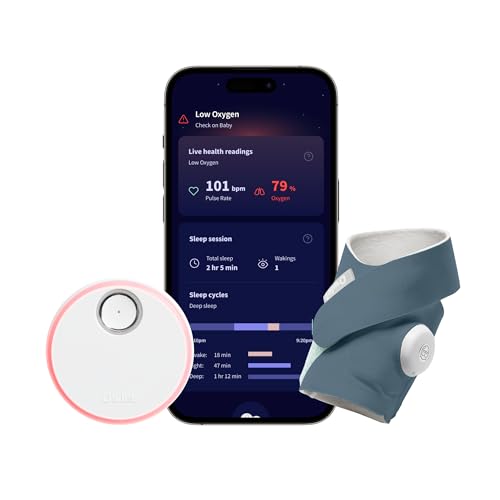
What it is: Dream Sock uses pulse rate and oxygen tracking in real-time with alert notifications on a base station and mobile app. It’s positioned as a best-seller for families seeking continuous vital signs monitoring in healthy infants 1–18 months (6–30 lbs).
Who it’s best for: Parents who want ongoing, real-time biometrics with alerts to reduce nighttime checks. Ideal for sleep-deprived households seeking added reassurance without constant physical checking.
Why selected: Real-time data and alerts help caregivers respond promptly when readings leave preset zones, supporting safer sleep practices and better rest for the whole family.
Limitation to note: The device relies on wearable socks; ensure proper fit for accurate readings and comfort for extended wear at night.
Owlet Dream Sock Smart Monitor – Mint

What it is: Mint variant keeps the same core features—real-time heart rate and oxygen tracking with app-based insights and base-station alerts.
Who it’s best for: Families that want the same trusted monitoring with a different aesthetic while maintaining identical safety features.
Why selected: It offers the same reliable safety net for infants, enabling consistent monitoring across color variants.
Limitation to note: Like other wearables, fit and skin sensitivity should be considered for newborns and smaller infants.
Sense-U Pro Baby Breathing & Sleep Monitor

What it is: Sense-U Pro tracks breathing movement, sleep position, and temperature trends with gentle vibration alerts and audible notifications. Clip-on design supports on-the-go use.
Who it’s best for: Parents who want a compact, clip-on option that monitors breathing and temperature while providing proactive alerts for safer sleep.
Why selected: The combination of breathing data and position awareness helps identify potential sleep risks beyond heart-rate-only monitors.
Limitation to note: Readings may vary with movement; regular repositioning and calibration may help improve accuracy.
BEMPU Baby Movement Monitor

What it is: A movement monitor with gentle vibration and app-based alerts designed for newborns and infants, focusing on movement and wake cues.
Who it’s best for: Families seeking a non-rugged, portable monitor that uses mild tactile feedback to prompt movement and quick checks.
Why selected: The tactile alert system and app integration offer a lightweight, practical monitoring approach for quick nighttime checks.
Limitation to note: It emphasizes movement and warmth cues; it may be less comprehensive for long-term cardiovascular readings compared with pulse oximetry wearables.
Babysense 7 – Non-Contact Sleep Monitor
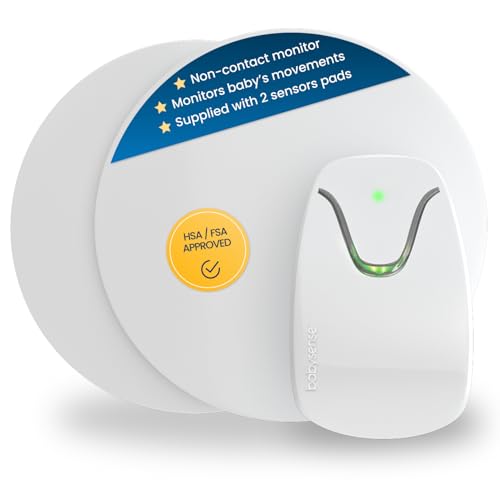
What it is: Babysense 7 is a non-wearable, under-mattress monitor delivering full-crib coverage with two sensors and no Wi-Fi requirement.
Who it’s best for: Families preferring non-contact monitoring that can cover the crib without placing devices on the baby.
Why selected: Non-wearable design reduces potential discomfort and is suitable for parents who want a simple, reliable setup.
Limitation to note: It does not provide wearable-based heart-rate or oxygen data; it focuses on movement detection and alarm signaling based on crib sensors.
Buying Guide
What to consider when choosing a baby sleep monitor:
- Monitoring type: Wearable (socks, clips) vs non-wearable (under-mattress, crib-based). Wearables provide heart-rate and oxygen data; non-wearables often focus on movement and sleep patterns.
- Data delivered: Real-time alerts, sleep insights, temperature, and motion tracking. Decide which metrics matter most for your family’s routine.
- Alerts and notifications: Consider base-station integration, app alerts, and how quickly you receive warnings when readings change.
- Ease of use: Clip-on vs under-m mattress sensors; setup time and ongoing maintenance.
- Battery life and portability: For wearable devices, check battery longevity to avoid nighttime interruptions.
- Privacy and connectivity: Some devices rely on apps or Wi-Fi. Evaluate data privacy and offline options if preferred.
- Care and comfort: For wearables, ensure a proper fit and skin-friendly materials to avoid irritation.
- Price-to-value: Weigh features against cost, especially if you need multiple monitoring metrics or a video component.
FAQ
- Do wearable sleep monitors require a subscription? Some models may offer app features with optional paid plans; always verify current terms during purchase.
- Are non-wearable monitors as effective as wearable ones? Non-wearables emphasize movement and crib coverage; they may lack continuous heart-rate data but can be sufficient for basic safety monitoring.
- Can I use multiple monitors at once? It’s possible, but ensure each device’s data doesn’t cause conflicting alerts and that you have clear notification routines.
- What is the best monitor for twins or multiple infants? Look for devices offering dual or multiple-sensor support and robust alerting options to manage two babies efficiently.
- How do I choose between real-time heart-rate tracking and simple movement monitoring? If your priority is detecting oxygen or heart-rate anomalies, choose a wearable monitor with those sensors; if you mainly want sleep patterns, movement-focused devices may suffice.
- Are these monitors safe for newborns? All listed devices are designed for use with infants, but always follow manufacturer guidelines and consult a pediatrician if you have concerns about specific health needs.