Top sleep sacks for babies aged 3 to 6 months prioritize safety, comfort, and easy nighttime changes. This guide selects five highly suitable options for different needs—from breathable cotton to bamboo blends and flexible swaddle-to-sleep transitions. Best for parents seeking 2-way zippers, gentle fabrics, and hip-friendly fits, these choices help maintain warmth without overheating and support healthy development.
| Product | Best For | Material |
|---|---|---|
| Yoofoss 0-6 Months Sleep Sack | Gentle fabric, easy changes | 100% Organic Cotton |
| PurComfy Supersoft Sleep Sack 1.0 TOG | Warmth and comfort all night | 96% Viscose, 4% Spandex |
| SWEET DOLPHIN 0-6 Months Sleep Sack | Year-round wear, breathable | 100% Cotton |
| Wrrernsin 0-6 Months Sleep Sack | Active sleepers, safety features | 100% Cotton |
| HALO 3-6 Months Sleepsack Swaddle | Swaddle-to-sleep transition | 100% Cotton |
Yoofoss Baby Sleep Sack 0-6 Months

Best for: Parents who value natural fibers and a roomy yet secure fit. The Yoofoss sleep sack uses 100% organic cotton and is GOTS-certified, promoting skin safety and breathability for sensitive newborns transitioning into 3-6 months. The 2-way zipper with interior zipper guard makes middle-of-the-night changes smoother, while appropriately sized arm and neck openings help prevent the blanket from riding up during sleep.
Why selected: It emphasizes gentle, breathable material and a safe zipper design, aiding hip development and warmth retention without overheating. Caution: Some babies may prefer a lighter or heavier TOG; this model tends to suit moderate room temperatures best.
PurComfy Supersoft Sleep Sack 1.0 TOG
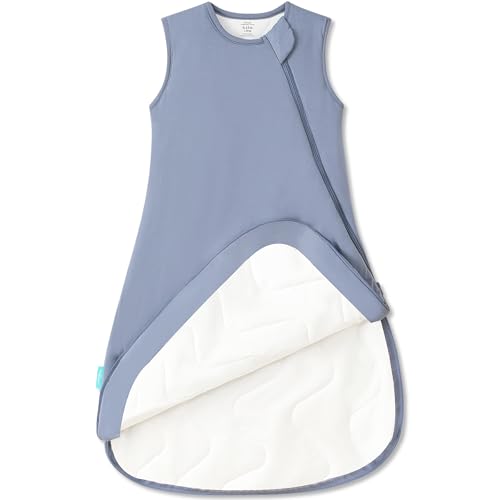
Best for: Restful nights with a soft, plush feel. PurComfy blends 96% viscose and 4% spandex with a 100% polyester wadding for an insulating layer, offering a cozy cocoon that helps regulate temperature. Its FeatherGlide two-way zipper design eases diaper changes and minimizes friction against delicate skin.
Why selected: The fabric blend provides a luxurious softness while maintaining breathability. Caution: TOG options vary; verify you choose the 0.5 TOG or 1.0 TOG version to match your climate.
SWEET DOLPHIN Baby Sleep Sack 0-6 Months

Best for: Year-round use with a breathable, lightweight option. The 100% cotton, TOG 0.5 design keeps babies comfortable without overheating. The sleeveless cut reduces heat buildup while the two-way zipper supports quick diaper changes, with interior guard and top cover protecting skin.
Why selected: It’s a simple, reliable sleep sack that prioritizes heat regulation and ease of use for busy parents. Caution: Not ideal in very cold rooms unless layered with appropriate clothing.
Wrrernsin Baby Sleep Sack 0-6 Months

Best for: Active sleepers who need leg room and a safe zipper design. The 100% cotton fabric offers breathability with a 0.5 TOG rating, suitable for moderate climates. The two-way zipper simplifies diaper changes, while a safety-lock zipper prevents accidental opening.
Why selected: The widened bottom and protective zipper features reduce skin irritation and ensure warmth stays sealed in. Caution: Ensure correct size for your baby’s length to avoid excess fabric near the feet.
HALO 100% Cotton Sleepsack Swaddle

Best for: Parents seeking a proven swaddle-to-sleep transition. HALO’s 3-way adjustable swaddle design lets you tailor the fit with arms-in, one-arm-out, or two-arms-out configurations. The TOG 1.5 setting is suited for cooler evenings, with a soft, stretchy cotton construction that grows with your baby.
Why selected: Hospitals endorse HALO for safer sleep environments, and its adjustable design supports gradual transition away from swaddling. Caution: The swaddle style may feel bulkier than lighter sacks for some babies, especially in warmer rooms.
Buying Guide
What to consider when choosing a sleep sack for 3-6 months
- Material: Natural fibers like cotton and viscose blends provide breathability and softness. Look for GOTS certification for organic options.
- TOG rating: Lower TOG (0.5) is cooler; higher TOG (1.0-1.5) is warmer. Match to room temperature and season.
- Zippers: Two-way zippers with interior guards reduce skin irritation and ease diaper changes.
- Fit and hip development: Ensure armholes and leg openings allow movement but prevent the sack from riding up. A roomy hip area supports healthy hip development.
- Swaddle-to-sleep transitions: If you want a product that evolves with your baby, consider a design that transitions from arms-in swaddle to arms-out or a sleep sack that doubles as a swaddle.
- Care: Machine washability and fabric durability influence long-term use and ease of care.
How to choose by climate
- Cool climates: Select TOG 1.0–1.5 sacks or layer with lighter clothing.
- Moderate climates: TOG 0.5–0.8 options work well with standard room temperatures.
- Warm climates: Look for sleeveless designs with TOG 0.5 or lighter or consider breathable cotton only.
Frequently Asked Questions
- What is the safest sleep sack for a 3- to 6-month-old? Look for a sack with a snug, secure fit, a two-way zipper, and hip-friendly design that prevents the fabric from covering the face.
- Do sleep sacks replace blankets? Yes. Sleep sacks reduce the risk of loose blankets while keeping babies warm.
- How do I know if my baby is too hot in a sleep sack? Check for damp hairline, sweating, flushed cheeks, or rapid breathing. Adjust TOG or room temperature accordingly.
- When should I stop using a sleep sack? Transition based on the baby’s ability to roll over or push up, typically around 6 months to 1 year, depending on development and guidance from a pediatrician.
- Which material is best for sensitive skin? Organic cotton is a common choice for sensitive skin due to its softness and breathability.
- Are swaddle-style sacks safe for all babies? Some babies may outgrow swaddles sooner; consider a transition sack that offers an arms-out option to ease the shift.