When searching for a slow feeding nipple for a newborn, you want options designed to reduce colic, gas, and spit-up while keeping feeding comfortable. This guide highlights top choices for newborns, including hospital-grade, anti-colic designs, and skin-like silicone options. Each product is evaluated for ease of use, flow control, and suitability for different feeding needs. Best for newborns with delicate suckling, hospital-informed care, or parents seeking a gradual transition from breast to bottle.
The following table summarizes five recommended nipples, aligned with common newborn feeding goals:
| Product | |||
|---|---|---|---|
| Dr. Brown’s Natural Flow Level T Narrow | Newborns needing very slow flow | Level T (narrow) | Hospital-use style, anti-colic vent |
| MAM Extra Slow Flow Nipples | Newborns who prefer breast-like feel | Extra Slow Flow | High acceptance, skin-soft silicone |
| HDSPN 6ml/min Slow Flow Nipples | Newborns needing precise slow pace | 6 ml/min (slow) | Self-venting anti-colic system |
| Lansinoh NaturalWave Extra Slow Flow | Babies focused on gradual milk pace | Extra Slow Flow | AVS air-flow for reduced gas |
| Pigeon SS Newborn Nipples | Babies needing latch guidance | Newborn slow flow | Latch-on line for effective latch |
Dr. Brown’s Natural Flow Level T Narrow Baby Bottle Nipple

Best for neonatal-like feeding patterns, the Level T Narrow Nipple is designed for newborns who need a slower flow than Dr. Brown’s Level 1. It is commonly used in NICUs and hospitals, reflecting a clinical approach to feeding difficulties. The nipple features an anti-colic internal vent system, which clinically reduces spit-up, burping, and gas, offering a more comfortable feeding experience for baby. This option is ideal for babies who require a very gradual transition from preemie or slower-flow feeding. Caution: ensure the bottle size and cap seal are compatible with your existing system to avoid leakage.
MAM Extra Slow Flow Nipples, Size 0

Best for newborns who prefer a breast-like experience, these BPA-free silicone nipples feature SkinSoft material and a 94% acceptance rate among newborns. The Extra Slow Flow is designed to deliver breast milk or formula gradually, helping to pace feeds and reduce overfeeding. The anti-colic design minimizes air ingestion while feeding. Choose this if your baby responds well to a natural latch and you want a nipple that mimics mom’s comfort. Caution: test fit with your bottle model to ensure a secure seal.
HDSPN 6PCS Slow Flow Nipples

Best for parents seeking a precise slow flow with a self-venting anti-colic system, these 6ml/min nipples are designed to prevent vacuum buildup and nipple collapse during feeding. They fit standard-neck bottles, offering broad compatibility with many brands. The controlled low flow helps prevent choking and reduces spit-up, benefiting newborns with sensitive digestion. Pro tip: avoid over-tightening the nipple ring to prevent leakage. Caution: verify bottle compatibility, as some wide-neck or redesigned bottles may not fit.
Lansinoh NaturalWave Extra Slow Flow Nipples
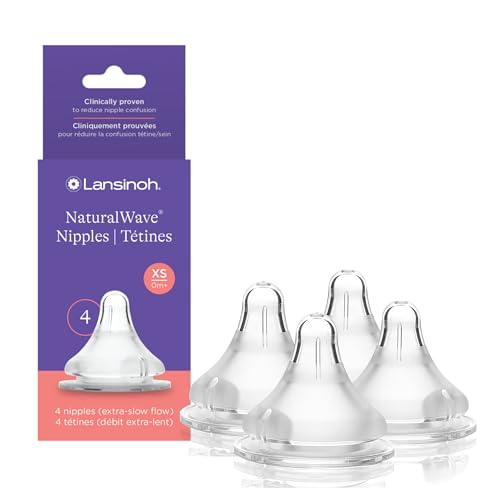
Best for babies focusing on gradual milk pace, these nipples feature a wide textured base and a gentle slope to help secure a proper latch. The flexible tip adapts to sucking, supporting a steady milk flow and a comfortable feeding pace. The Advanced Airflow System minimizes air intake, reducing colic, spit-up, and gas. This option suits newborns who need a more natural-feeling feed while maintaining control over flow. Caution: ensure compatibility with your bottle system and remember to replace worn nipples regularly for optimal performance.
Pigeon Silicone Nipple (SS) with Latch-On Line

Best for babies needing latch guidance, this Pigeon nipple emphasizes a latch-on curve to support effective adsorption. The anti-colic system is designed to minimize swallowed air. It is suitable for newborns who benefit from structured latch support during bottle feeding. Limitation: design variations may affect the fit with certain bottle brands, so verify compatibility and test one nipple before daily use.
Dr. Brown’s Natural Flow Level 1 Narrow Slow Flow Nipple
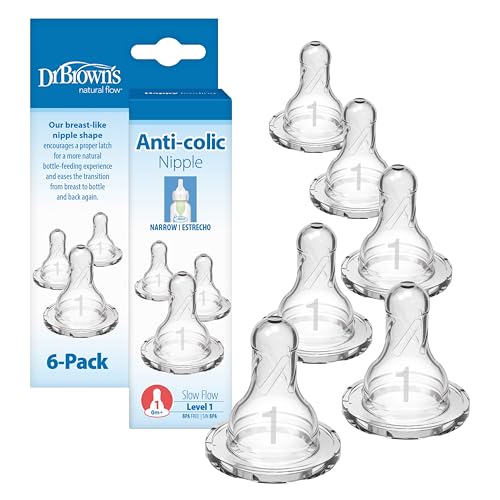
Best for newborns who need a slow, steady flow that remains close to breastfeeding, this Level 1 Narrow nipple uses an anti-colic vent system to reduce spit-up and gas. The design supports a consistent flow, enabling feeding at the baby’s own pace. Choose this if you prefer a familiar Dr. Brown’s system but want a gentler first-flow option. Caution: may be slightly faster than Level T for the most sensitive newborns; assess baby’s response and adjust as needed.
NUK Perfect Match Slow Flow Silicone Nipples

Best for mimicking breastfeeding, these NUK nipples use a two-pack set with a soft silicone material that provides skin-like flexibility. The shape supports a wide, deep latch that helps ease transitions between breast and bottle. The anti-colic vent minimizes air intake, reducing discomfort from gas. Choose this if you want a silicone nipple with a natural feel and a design aimed at maintaining a close feeding rhythm. Caution: some babies may require a different flow rate as they grow; monitor flow needs over time.
Buying Guide: Key Purchase Considerations
- Flow rate and nipple size: Start with the slowest option for first feeds and adjust as the baby grows or as feeding needs change.
- Vent system: Internal or external vents help reduce gas and spit-up by balancing air pressure during feeding.
- Material and safety: Look for BPA-free silicone and skin-like textures for comfort and easy cleaning.
- Bottle compatibility: Ensure the nipple model matches your bottle neck and sealing system to prevent leaks.
- Latch and fit: Some babies feed better with a latch-friendly shape or curve; consider products designed to aid latch-on.
- Ease of cleaning: Simpler nipple designs can be quicker to clean and sanitize, reducing the risk of buildup.
Frequently Asked Questions
- What is a slow flow nipple best for newborns? – It helps control milk flow to match a newborn’s slow-sucking pace, reducing choking and spit-up.
- Do all slow flow nipples fit all bottles? – No, bottle necks and designs vary; check compatibility before purchase.
- Is an anti-colic vent necessary? – Many newborns benefit from reduced air intake, which can lessen gas and discomfort, but results vary.
- When should I switch to a faster flow nipple? – Move to a faster flow as the baby shows signs of growing appetite or stronger suction, or per pediatric guidance.
- Are silicone nipples safer than latex? – Silicone is generally durable and hypoallergenic; avoid if there is a confirmed silicone allergy.
- How do I test a nipple for comfort? – Start with short feeding sessions and observe for swallowing pace, coughing, or gas signs; switch if the baby shows distress.