If you’re seeking the gentlest way to introduce bottles to a newborn, slow flow bottles are a reliable choice. These designs help mimic breastfeeding pacing, reduce air ingestion, and support comfortable feeds for delicate eaters. The top picks below are best for parents who want to blend breast and bottle feeding, ease nipple transitions, or address common issues like gas and reflux. The list targets different needs—from preemies to routine bottle feeds—while prioritizing milk flow control and natural latch.
Summary table of selected products:
| Product | Brand | Best For | Key Benefit |
|---|---|---|---|
| Natural Slow Flow Bottles (4 oz, 4-Pack) | Philips Avent | Breastfeeding imitators, easy pace control | Natural Response Nipples for paced flow |
| Anti-Colic 5 oz Bottles (3-Pack) | Lansinoh | Gas reduction, baby-led feeding | Air ventilation and NaturalWave design |
| 2-in-1 Slow Flow Bottles (5 oz, 2-Pack) | NUK | Breast-bottle transitions | Two-nipple versatility, soft silicone |
| Anti-Colic 4 oz Bottles (4-Pack) | Philips Avent | Colic and gas reduction | AirFree vent system |
| 4.5 oz Easy Start Bottles (2-Pack) | MAM | Premature or fussy feeders | Vented base and SkinSoft nipple |
Philips Avent Natural Baby Bottles With Natural Response Nipples (Slow Flow, 4oz, 4-Pack)

Best for parents seeking a breast-like feeding rhythm. The Natural bottle helps babies control milk flow, aligning with their own pace. The unique nipple opening releases milk only when the baby actively drinks, reducing flow during pauses. This design supports easy transitions between breast and bottle feeding, making it a solid choice for integrated feeding plans. Best for newborns who need paced feeding and for parents who want a natural latch feel.
Lansinoh Anti-Colic Baby Bottles, 5 Oz, 3 Count (Slow Flow Nipples)

Best for reducing air intake and easing gas. These BPA-free bottles use an air ventilation system to limit air during feeding, supporting less fussiness and spit-up. The nipple’s flexible shape promotes a secure latch, aiding baby-led feeding at a comfortable pace. Choose this if you’re especially concerned about colic symptoms and want a simple, baby-friendly feeding system. May be less ideal for ultra-tight budget constraints due to higher per-pack costs.
NUK Perfect Match 2-in-1 Bottle With Slow Flow

Best for smooth breast-to-bottle transitions. The 2-in-1 design uses a wide, adaptable nipple with two practical features: a solid latch and a nipple that mirrors breastfeeding. The softer, medical-grade silicone adapts to a baby’s mouth, supporting a natural latch. This option is ideal for parents seeking flexibility across feeding styles. It may require careful monitoring if your baby shows preferences for a specific nipple feel.
Philips Avent Anti-Colic Bottle With AirFree Vent (4 oz, 4 Pack)

Best for reducing feeding issues like colic, gas, and reflux. The AirFree vent keeps the nipple full of milk, not air, and supports upright feeding. The option can be used with or without the AirFree vent, offering flexibility as your baby’s feeding needs evolve. Choose this if gas and reflux are a concern or if you want a bottle that works in multiple feeding positions. It may be more complex to clean due to vent components.
MAM 4.5oz Easy Start Anti-Colic+ Bottle
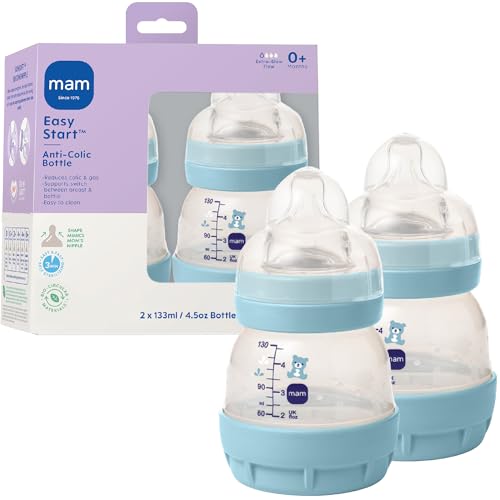
Best for newborns or preemies needing a very gentle flow. The anti-colic design includes a vented base that reduces air intake, plus a SkinSoft nipple for a natural feel. The combination supports feeding at a baby’s own pace, potentially reducing gas and fussiness. Best for babies who respond well to a breastfeeding-like latch and those who require extra pace control. Limitation: the vent and nipple combination may require more careful assembly for first-time users.
MAM 4.5oz Easy Start Anti-Colic+ Bottle (Unisex)

Best for households seeking a balanced, easy-to-clean option that still prioritizes ant-colic features. The dual system reduces air intake while a gentle nipple promotes a natural feeding feel. This bottle is well-suited for mixed feeding plans and babies who benefit from slow-flow initiation. Consider potential needs for frequent bottle cleaning due to vented components.
Buying Guide: How To Choose Slow Flow Bottles For Newborns
What matters most when selecting slow flow bottles?
- Flow control: Look for nipples designed to regulate pace to match baby’s drinking rhythm. Paced flow mimics breastfeeding and reduces overfeeding risk.
- Air management: Anti-colic vents and AirFree technology can lower gas and spit-up by minimizing air intake.
- Nipple softness: Softer, skin-like nipples can support a natural latch and transition between breast and bottle.
- Cleaning considerations: Bottles with internal vents or complex parts require thorough cleaning to prevent residue and ensure safety.
- Age and stage: Some bottles include preemie or newborn-specific options; others are more universal for growing babies.
- Material safety: BPA-free plastics and medical-grade silicones are common; verify compatibility with your preferred sterilization method.
- Feeding goals: If your aim is to minimize colic, prioritize vented bases and proven anti-colic designs. If you want flexible transitions, consider 2-in-1 or adaptable nipples.
Frequently Asked Questions
- Q: Are slow flow bottles suitable for all newborns? A: They’re generally beneficial for most newborns, particularly those who feed slowly or have reflux. Individual baby preference may vary.
- Q: Do anti-colic vents really reduce gas? A: Venting systems are designed to minimize air intake, which can lower gas and spit-up for many babies.
- Q: How often should I replace nipples? A: Nipples should be checked for wear and tear; replace if the flow becomes uneven, the nipple shows signs of cracking, or it stiffens with use.
- Q: Can I mix breast and bottle feeding with these bottles? A: Yes. Several designs are built to support a natural pacing that mirrors breast feeding and ease transitions between feeding methods.
- Q: Are these bottles dishwasher safe? A: Many are, but check each product’s care instructions to ensure safe cleaning and to preserve venting components.
- Q: Do these bottles require special sterilizers? A: Most can be sterilized using standard methods, but verify with the manufacturer’s guidelines for vented components.