When choosing a soft helmet for toddlers, the best options offer full head coverage, lightweight materials, adjustable fits, and gentle cushioning suitable for active babies and young kids. This guide highlights five top picks that balance protection with comfort for crawlers, walkers, and toddlers. Ideal buyers include concerned parents seeking light, breathable head protection for daily play, daycare activities, or supervised outdoor time. Below is a quick comparison table to help you decide at a glance.
| Product | Best For | Notes |
|---|---|---|
| Baby Head Protector – Simply Kids | Infants and toddlers 6–24 months | 360° head coverage; Y-strap design; soft, skin-friendly materials |
| REFLYAWAY Fox Head Protector | Crawlers and new walkers | Ultra-lightweight; breathable cotton outer; adjustable circumference |
| SafeheadBABY Soft Head Protector | Growing infants to toddlers | Expandable fit; lightweight under 100 g; breathable lining |
| REFLYAWAY Unicorn Head Protector | Young adventurers seeking fun styles | 360° protection; similar fit features to Fox model |
| Hilihali Grey Star Head Guard | Learning-candids at early stages | Adjustable belt; cushions bumps; lightweight design |
Baby Head Protector – Simply Kids

Best for infants and toddlers who are just learning to sit, crawl, or walk. The helmet provides 360° full head coverage with strong shock-absorbent materials to reduce impact from forward falls or collisions. The advanced Y-strap design with a buckle chin support helps the helmet stay on better than traditional strings, making it suitable for active babies. It is made with skin-friendly, non-toxic materials and sweat-resistant properties, easing cleaning and reuse. A potential limitation is that the product relies on proper sizing and strap positioning for optimal protection.
REFLYAWAY Baby Head Protector – Fox

Best for infants and toddlers learning to crawl or walk, offering 360° shock-absorbing protection with a lightweight design. The circumference range (16.2–20 inches) provides a snug, secure fit, aided by a secure buckle. It uses a cotton outer layer with elastic shock-resistant sponge, combining breathability and impact absorption. This is a solid choice for warm days, but caregivers should verify fit regularly as babies grow quickly.
SafeheadBABY Soft Head Protector
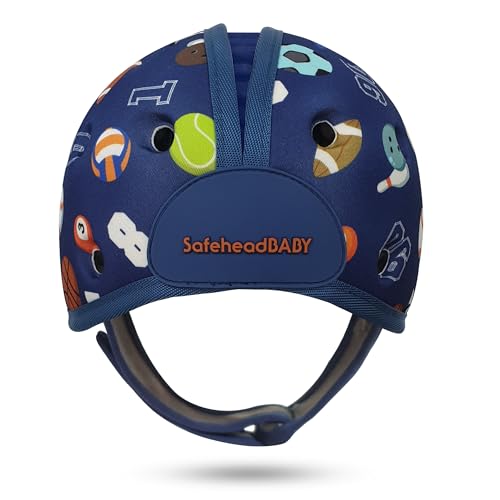
Award-winning option designed to cushion gentle bumps as babies learn to crawl and walk. It offers an expandable fit for growing infants (40–52 cm head circumference) and weighs under 100 g for daily wear. The helmet features breathable cotton lining and soft foam for neck comfort. A limitation is that the expandable size requires careful adjustment to maintain consistent protection as the child grows.
Hilihali Baby Safety Helmet – Grey Star

Best for toddlers who want a simple, adjustable head protector during early walking and climbing. It features an upgraded belt system with a 19–22 inch circumference, providing easier securing and a comfortable, snug fit. The cushion is designed to absorb everyday bumps, and its light weight supports comfort during extended wear. A potential drawback is that adjustments must be rechecked frequently as babies grow and move more vigorously.
REFLYAWAY Unicorn Head Protector

Best for imaginative play and daily protection for crawlers and new walkers. It mirrors the Fox design with 360° protection, adjustable circumference, and breathable materials, but the unicorn style may appeal more to kids who respond to visual play aesthetics. Choose this if style and comfort together influence wearing consistency; avoid this if a very tight or very loose fit is needed due to irregular head shapes.
Buying Guide: Key Considerations For Soft Toddler Helmets
Safety Coverage And Protection
Look for helmets offering full head coverage without compromising mobility. 360° protection helps guard the temples, ears, and back of the head during tumbles. Materials should cushion impacts while remaining lightweight to prevent neck strain.
Fit, Size, And Adjustability
A proper fit is essential for protection. Choose helmets with adjustable head circumferences and secure fasteners (buckle or similar) that stay in place as your baby grows. Quick-adjust designs help during rapid size changes in the toddler years.
Materials And Comfort
Opt for skin-friendly, non-toxic fabrics and breathable linings. Cotton outer layers with soft foams reduce heat buildup and discomfort during long wear. Hypoallergenic materials minimize irritation for sensitive skin.
Weight And Daily Use
Lightweight helmets (generally under 100 g) are preferable for daily wear and extended play. Heavy helmets can hinder movement and discourage consistent use, reducing protective benefits.
Care And Cleanliness
Choose helmets that are easy to clean and resistant to odor buildup. Washable linings and wipe-clean shells help maintain hygiene after outdoor play or indoor exploration.
Style And Acceptance
While safety is primary, a design that children enjoy wearing—such as friendly animal motifs or bright colors—can improve consistent use. Consider whether a style matches your child’s preferences to encourage regular wear.
FAQ
- What age is best for starting a soft helmet use? Start around the crawling to walking stage, typically 6–24 months, or as soon as your child begins frequent independent movement.
- How do I ensure the helmet fits properly? Measure head circumference and adjust the strap or belt until the helmet sits low on the forehead with no gaps around the head. Recheck fit often as babies grow quickly.
- Are soft helmets comfortable for long wear? Yes, when selected for light weight, breathable materials, and a snug but comfortable fit. Look for cotton linings and padded interiors.
- Can soft helmets replace supervision? No. They reduce risk but do not prevent all injuries. Always supervise toddlers during play and avoid high-risk activities.
- How should I clean these helmets? Follow product care instructions; typically wipe with a damp cloth and hand wash removable linings to keep them fresh.
- Will a helmet hinder my child’s movement? A properly sized and fitted helmet should not impede crawling or walking. If it feels heavy or restricts movement, reassess size and adjustability.