Answering the need for safe, baby-friendly sound protection, these headphones and earmuffs shield little ears from loud environments while supporting comfortable wear. They are best suited for parents taking babies to parks, concerts, airplanes, and busy events where noise levels can affect sleep and development.
The top five picks below are chosen for different needs: soft, gentle fit for newborns or infants; adjustable designs for growing toddlers; and models with certified safety standards. Use the quick comparison table to decide at a glance.
| Product | Best For | Key Benefit |
|---|---|---|
| Alpine Muffy Baby Ear Protection — Blush | Newborns to 48 months | 24dB protection with soft padding and adjustable headband |
| Alpine Muffy Baby Ear Protection — Green | Growing toddlers | Safe, layered foam and anti-slip headband |
| HOIGRBOM Baby Headphones | Noise-sensitive babies in transit | 24dB NR, adjustable three-position headband |
| Floriogra Baby Headphones | Active listeners at concerts and travel | SNR 26dB, NR 31dB, ANSI certified |
| Alpine Muffy Baby Ear Protection — Pink | Color-conscious families | Same protective features with stylish pink design |
Alpine Muffy Baby Ear Protection — Blush

The Alpine Muffy Baby Ear Protection line provides reliable noise reduction for infants and toddlers up to about 48 months. The Blush variant uses multi-layer foam and soft padding with an adjustable headband to fit growing heads. Best for babies who need consistent sleep support at noisy events. This model is CE and ANSI certified for peace of mind.
Who this is for: parents seeking a dedicated hearing-protection accessory for babies during travel, fireworks, or crowded gatherings. Why selected: durable build, soft materials, and adjustable sizing help ensure a proper, comfortable fit. Caution: avoid placing the earmuffs on or near small, hard objects that could cause pressure if misaligned.
Alpine Muffy Baby Ear Protection — Green
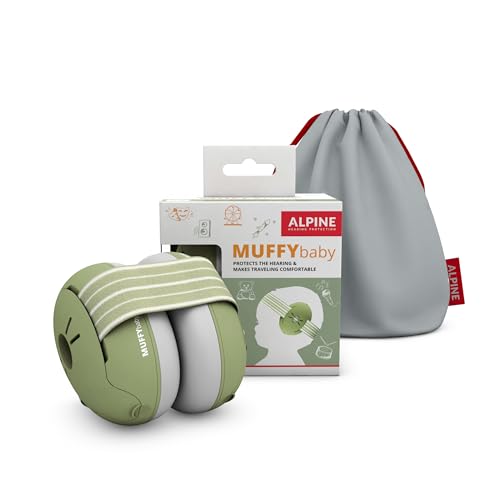
The Green variant of Alpine Muffy Baby Ear Protection shares the same protective core: gentle 24dB noise reduction, soft padding, and an adjustable, anti-slip headband. It is designed to grow with your child from infancy to early toddlerhood. Best for families who want a neutral design that blends with outfits while providing reliable hearing protection.
Who this is for: families needing a robust, long-use earmuff option. Why selected: proven safety certifications and a comfortable fit throughout early development. Caution: ensure the headband rests evenly to avoid pressure on delicate fontanelles.
HOIGRBOM Baby Headphones for Noise

This 2-in-1 design combines earmuff comfort with a stylish look. It reduces noise by about 24 dB and uses a three-position adjustable headband to accommodate growth from 0 to 48 months. Best for babies who need both comfort and reliable noise reduction in planes, cars, or outdoor events.
Who this is for: parents seeking a versatile travel-friendly option. Why selected: ergonomic, pressure-free design respects soft skull areas. Caution: check fit around the forehead to maintain even seal and avoid gaps that reduce effectiveness.
Floriogra Baby Headphones for Noise

Floriogra offers upgraded baby-friendly headphones designed to fit ages 3 months to 3 years. It features rotated 360-degree ear cups and an adjustable, soft headband. Best for babies and toddlers who need stronger noise cancellation during concerts, fireworks, or travel. ANSI certified for added safety trust.
Who this is for: noise-sensitive babies who need consistent protection during events. Why selected: higher NR and SNR levels translate to better ambient sound filtering. Caution: ensure the cups align with ears for optimal seal and avoid overheating in warm environments.
Alpine Muffy Baby Ear Protection — Pink

The Pink variant shares Alpine’s core protection—24dB noise reduction with a comfortable, safe design. It’s suitable for children up to 48 months and features a soft, adjustable headband. Best for families who want a visually appealing option without compromising safety.
Who this is for: parents prioritizing color options and a gentle fit. Why selected: identical protective performance with a cheerful color. Caution: ensure the earmuffs are not worn while sleeping in a way that could accidentally resist comfortable positioning.
Buying Guide: Key Purchase Considerations For Baby Sound Protection
- Noise Reduction Level: Most baby earmuffs offer around 24 dB NRR. Higher NRR can improve sleep in loud environments but may be unnecessary for milder settings.
- Fit And Comfort: Look for adjustable headbands, soft padding, and non-irritating materials. A pressure-free design helps protect fontanelles and encourages longer wear time.
- Certification And Safety: CE and ANSI certifications indicate compliance with recognized safety standards. This is important for infant-use products.
- Grow-With-Your-Baby: Choose designs that extend usable age ranges (0–48 months or similar) to maximize value as your child grows.
- Use Scenarios: For travel, airplanes, concerts, and outdoors, prioritize stability, ease of cleaning, and secure fit to prevent slips.
- Weight And Bulk: Lightweight options reduce fatigue and encourage regular use during naps or car rides.
- Color And Style: While not a safety feature, color can influence willingness to wear for longer periods.
FAQ
- What age is best for baby earmuffs?
Typically from birth to around 3–4 years, depending on the product’s stated range. Check the manufacturer’s age guidelines for each model. - Do baby earmuffs protect against all sounds?
They reduce sudden, loud noises but may not eliminate ambient sound entirely. Use as a protective aid in noisy environments. - Can earmuffs affect hearing development?
When used as directed, properly fitted earmuffs provide protective benefits without interfering with normal hearing development. Avoid prolonged, uninterrupted use in quiet environments to prevent over-masking. - Are there any risks with wearing earmuffs?
Incorrect fit or prolonged wear can cause discomfort. Ensure a secure yet comfortable seal and take breaks as needed. - How should I clean baby earmuffs?
Wipe surfaces with a damp cloth and mild soap. Do not submerge the assembly if it contains electronic components. - Is certification important?
Yes. Certifications like CE or ANSI indicate adherence to safety standards, which is important for infant-use products.