Direct answer: these baby-friendly noise-canceling earmuffs protect delicate ears in loud environments while remaining comfortable and adjustable for growing heads. Ideal for travel, concerts, fireworks, flights, and daily naps, the top picks below balance effective attenuation with soft materials and fontanelle-friendly designs. Best for infants, toddlers, and parents seeking portable hearing protection without sacrificing comfort.
Summary of chosen products:
- HOIGRBOM Baby Ear Muffs — 24 dB NRR, adjustable 0–48 months, gentle forehead fit.
- Alpine Muffy Baby Ear Protection (Green) — Adjustable fit, soft padding, CE & ANSI certified.
- Floriogra Baby Headphones — 26 dB SNR / 31 dB NRR, 360° ear cup rotation, fontanelle-friendly design.
- BBTKCARE Baby Ear Protection — 23 dB NRR, zero-pressure padding, newborn-friendly.
- YomauiYee Baby Earmuffs — 25 dB NRR, foam-cup design, fontanel-safe headband.
HOIGRBOM Baby Ear Muffs With Adjustable Headband

Best for: newborns to toddlers who need reliable, lightweight protection during travel or noisy events. The premium ABS shell and sponge-filled cushions deliver 24 dB noise reduction for a calm, sleep-friendly environment. The three-position adjustable, anti-slip headband accommodates growth from 0 to 48 months without applying pressure to fontanelles, making it a strong choice for ongoing use.
Why selected: this model prioritizes fontanelle safety with a pressure-free design and easy cleaning materials, while maintaining solid noise reduction for a wide range of environments—airplanes, cars, concerts, and public events.
Caution: the fit may loosen slightly as babies grow rapidly; re-check the headband position for an optimal seal and comfort.
Alpine Muffy Baby Ear Protection — Green
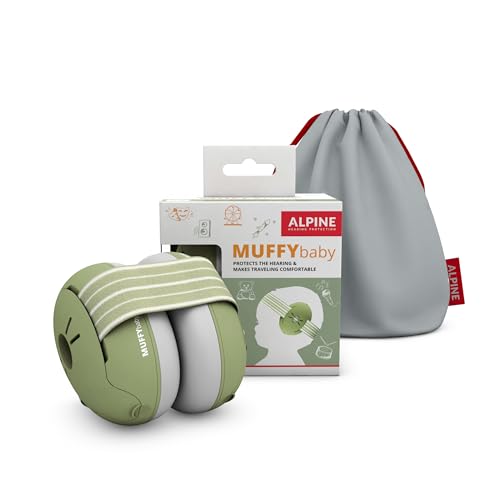
Best for: parents seeking a trusted safety standard (CE & ANSI) with comfortable, adjustable protection through early childhood. The Muffy design uses multi-layer foam and soft padding, plus anti-slip headbands to keep a secure but gentle fit for up to 48 months.
Why selected: Alpine Muffy is widely recognized for safety compliance and a comfortable shape that reduces pressure around the ears and fontanelles, which helps babies sleep or relax during loud experiences.
Caution: green color preference may vary by availability; occasional fit adjustments help maintain ideal attenuation.
Floriogra Baby Headphones for Noise — Upgraded

Best for: families needing a flexible, adjustable design that fits a range of head sizes from months to toddlers. The 360° rotating ear cups and hidden headband adjustments provide a snug, skin-friendly fit while maintaining robust noise-reduction credentials.
Why selected: Floriogra emphasizes skin-kind materials and adjustable geometry, helping babies stay comfortable in concerts, flights, or fireworks displays without irritation.
Caution: updated version improves wearability, but check fit around the fontanelles with quick adjustments during use.
BBTKCARE Baby Ear Protection Noise Cancelling Headphones
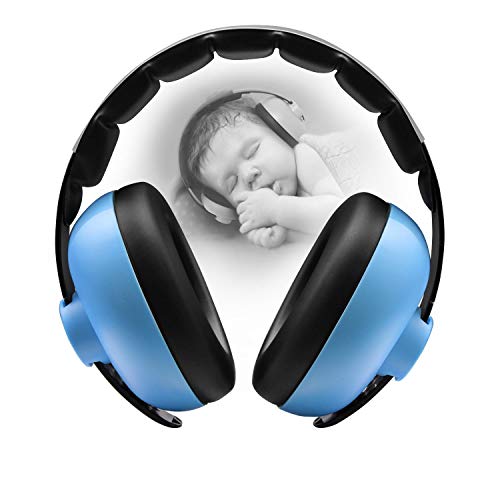
Best for: parents seeking a soft, zero-pressure earmuff with reliable sleep support during travel or events. With 23 dB attenuation, these pads shield the ears while remaining gentle on delicate skin.
Why selected: the padded, no-pressure design reduces discomfort, making them a practical choice for naps and quiet time during busy gatherings.
Caution: tone and fit can vary by head shape; ensure the headband sits comfortably and evenly across the forehead for best results.
YomauiYee Baby Earmuffs — 25dB NRR

Best for: on-the-go families needing a compact, affordable option with solid noise reduction for flights, fireworks, concerts, and large gatherings.
Why selected: the 25 dB NRR offers a good balance of protection and comfort with a fontanel-safe headband and soft materials suitable for sensitive skin.
Caution: consider backup protection in extremely loud environments; some users may prefer higher attenuation for very loud venues.
Buying Guide
What should I look for when choosing baby noise protection?
- Noise reduction rating (NRR): Higher dB means stronger protection, but ensure comfort and fit during wear.
- Fontanelle safety: Look for a pressure-free, adjustable headband that distributes pressure away from the soft spots on a baby’s head.
- Adjustability: A grow-with-you design (0–48 months or similar) reduces the need for frequent replacements.
- Materials: Choose BPA-free, skin-friendly fabrics and easy-to-clean shells to protect delicate skin.
- Weight and comfort: Lightweight cups and soft padding prevent irritation during long use or travel.
- Portability: Foldable or compact models with a storage bag are convenient for outings.
How to measure fit and use safely?
- Ensure the headband sits across the forehead and does not press on the fontanelles.
- Check that ear cups fully cover the ears without gaps or gaps around the edges.
- Test for comfort by having the baby wear the earmuffs for short periods before longer use.
- Regularly inspect for wear, cracks, or torn padding and replace if any damage appears.
Why consider multiple options?
- Different environments may require different attenuation levels or fit styles. Having more than one option ensures you’re prepared for travel, concerts, and outdoor events.
- Some babies adjust faster to certain headbands or materials. A couple of choices can help you find the best long-term solution.
Frequently Asked Questions
- What age should babies start using earmuffs?
- Do these earmuffs block all sound?
- Can earmuffs affect speech or language development?
- Are these products safe for sensitive skin?
- Is there a difference between NRR and SNR in these products?
- How should I clean baby earmuffs?
Typically, earmuffs are suitable for babies and toddlers from infancy up to around 3–4 years, depending on the product’s size and fit.
No, they reduce noise to a safer level (commonly 23–31 dB NRR) but do not create a completely silent environment.
When used appropriately for short periods in loud environments, earmuffs help protect hearing without impacting normal development.
Most models use skin-friendly, BPA-free materials designed for babies, but check product specifics for any materials your child may be sensitive to.
NRR is a U.S. rating; SNR is European. Many products list both or provide general attenuation guidance. Choose a model with higher attenuation for louder environments.
Wipe with a damp cloth and mild soap if needed; avoid submerging the shells and follow the manufacturer’s cleaning instructions.