Choosing the right car seat for a child with special needs involves balancing safety, comfort, and adaptability. The following selections prioritize supportive design, easy installation, and adjustable features to accommodate various mobility and seating requirements. Each option below is linked to an Amazon listing and includes key features to help caregivers compare effectively.
This summary table highlights the five products featured in this article, giving a quick reference to brand, primary use, and standout feature.
| Product | Brand | Key Benefit |
|---|---|---|
| Merritt Roosevelt Standard Special Needs Seat w/EZ Up Head Rest | Generic | Customizable seat depth with EZ Up head rest for better head support |
| RideSafer – Large Black | RideSafer | Vest-type restraint that improves belt fit and travels well |
| Graco Tranzitions 3-in-1 Harness Booster | Graco | Grows with child from harness to highback to backless booster |
| Out & About Seat | Special Tomato | Portable, converts almost any chair into a safe seat |
| Graco Extend2Fit Convertible Car Seat | Graco | Extra legroom with extension panel for extended rear-facing |
Merritt Roosevelt Standard Special Needs Seat w/EZ Up Head Rest
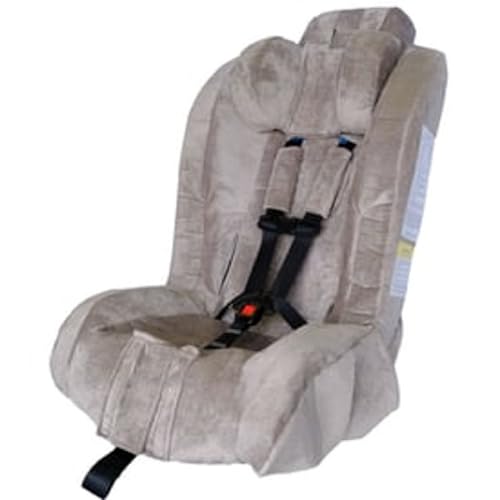
The Merritt Roosevelt Special Needs Seat focuses on customizable seating depth and head support to accommodate a range of leg lengths and head control needs. The EZ Up Head Rest simplifies positioning for caregivers and provides a stable, supportive profile. The seat accommodates multiple depth combinations, enabling a tailored fit for children with unique postural requirements. This configuration supports stable alignment during car journeys and reduces the need for frequent adjustments on long trips.
RideSafer Large Black Vest-Type Child Restraint System

RideSafer offers a compact, portable vest-type restraint that adjusts to fit a growing child and improves the adult seat belt fit. It is designed to be legal in vehicles across states, certified to FMVSS 213 standards, and ideal for families who travel or share cars. Its lightweight design supports easier installation in taxis, rideshares, or grandparent vehicles, making it a practical option for frequent travel or caregivers who need quick, reliable restraint without a full car seat swap.
Graco Tranzitions 3-in-1 Harness Booster Car Seat

Graco Tranzitions 3-in-1 Harness Booster acts as a forward-facing harness seat, a highback booster, and a backless booster. It can accommodate a child from roughly toddler to youth, supporting growth with a no-rethread harness and a headrest that moves in sync with the harness. The design emphasizes adjustability and ease of use, which can be particularly useful for caregivers seeking a single seat that adapts as the child’s needs evolve.
Out & About Seat by Special Tomato
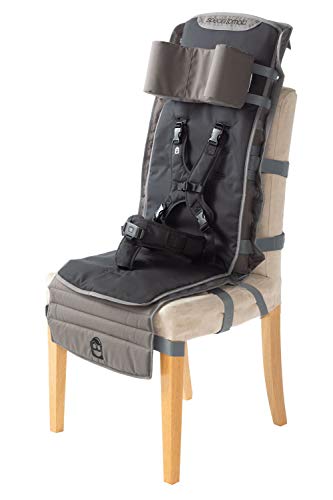
The Out & About Seat turns almost any chair into a safe seat, offering portability and a practical way to provide secure seating in environments where traditional car seats may not be feasible. This option can be particularly helpful for in-vehicle or in-room use, providing a stable seating surface with appropriate restraint for children who require extra support or positioning assistance during travel or daily activities.
Graco Extend2Fit Convertible Car Seat

Graco Extend2Fit features a 4-position extension panel that adds up to five inches of legroom, enabling longer rear-facing use for better leg support and posture. The seat transitions from rear-facing to forward-facing and includes protective measures to meet safety standards. The extended legroom design can be a significant benefit for kids who require more space or have limited trunk control, offering a safer ride with comfortable spacing for shorter or wider seating profiles.
Buying Guide: Key Considerations for Special Needs Car Seats
Choosing the right seat involves evaluating safety standards, fit, adaptability, and daily usability. Consider the following factors to compare options effectively:
- Posture and support: Look for seats with adjustable headrests, torso supports, or seat depth options to accommodate postural needs and comfort.
- Growth and versatility: Selections that transition through multiple phases (harness to booster) reduce the need to buy new seats as the child grows.
- Ease of installation: For caregivers who use multiple vehicles or travel often, features that simplify installation and reduce misfit risk are valuable.
- Portability: Lightweight and compact designs can help caregivers transport the seat between vehicles or use alternative seating arrangements when needed.
- Compatibility: Ensure the seat is compatible with car belts, LATCH systems, or other restraint methods common in your region, and check local regulations.
- Durability and materials: Durable shells and comfortable fabrics support long-term use and frequent cleaning requirements for children with sensory or skin sensitivities.
- Maintenance and care: Removable, washable covers and simple cleaning routines save time for busy families.
- Cost versus lifespan: Consider seats that offer longer use windows and safe growth with fewer replacements, balancing upfront cost with long-term value.
Usage Scenarios and Perspectives
For families that travel often, a compact vest-type restraint or portable seat may offer flexibility across cars and rideshares. In households with limited space, convertible seats with extended rear-facing options can maximize safety without needing additional equipment. For caregivers seeking quick swaps between vehicles, a lightweight option with straightforward installation reduces time and effort. Always verify that any seat or restraint complies with current safety standards in your area and is appropriate for the child’s size, weight, and mobility needs.