Whether you’re shopping for independence, easier outings, or safer daily transport, these top-rated special needs strollers are designed for older children and teens. The list prioritizes sturdiness, seating space, weight capacity, and ease of use. The top picks are best for caregivers seeking reliable, wheelchair-alternative options and lightweight, foldable designs. This guide highlights who each stroller is best for and why it stands out, plus a quick buying table to compare core specs at a glance.
| Product | Brand | Best For | Key Benefit |
|---|---|---|---|
| Coche XL Special Needs Stroller (Black) | Coche | Older kids needing robust support | Large seating with 110 lb capacity |
| Coche XL Special Needs Stroller (Blue) | Coche | Kids needing spacious seating | Same solid frame, different color option |
| Smilez Special Needs Stroller | Smilez | Autism & disability with adjustable width | Multiple seat widths and reclining options |
| Maclaren Major Elite Disability Pushchair (Black) | Maclaren | Older children up to 110 lbs | Lightweight, umbrella fold |
| Adaptive Urban Rider Stroller by Sylvan | Sylvan | Teens needing heavy-duty portable option | Heavy-duty frame with large capacity |
Coche XL Special Needs Stroller — Black

The Coche XL is designed for older kids who require a sturdy yet lighterweight pushchair. It features a 15-inch wide by 10-inch deep seat, supporting up to 110 pounds and accommodating up to 48 inches tall. Best for caregivers who need reliable daily transport with straightforward folding and maneuverability. The 360-degree front swivel wheels and puncture-free tires improve steering in tight locations and on uneven surfaces. Choose this if you want a dependable, high-capacity stroller with simple folding for travel. A limitation is that seat depth may feel tight for taller teens who require extra leg room.
Coche XL Special Needs Stroller — Blue

This blue variant shares the same robust aluminum frame, wide seating, and 110-pound capacity as the black model. It is best for families wanting a color option without sacrificing features. The 360-degree wheels and easy-fold umbrella-style design facilitate quick transitions between doors or car trunks. Best for active families who value compact storage when not in use. The primary caution is potential space constraints for very tall users with longer leg measurements despite the height limit.
Smilez Adaptive Wheelchair Stroller — 12″ to 18″ Seats
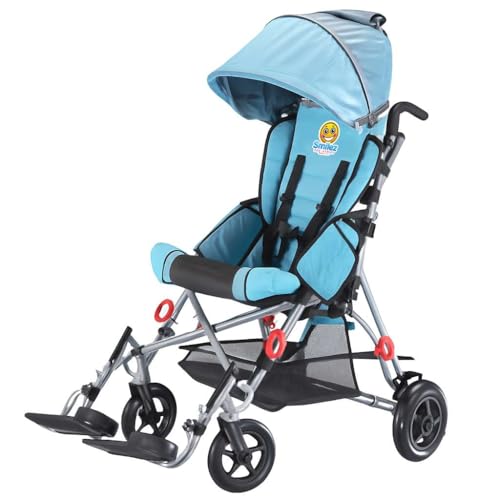
Smilez presents a versatile option with adjustable seat widths (12″, 14″, 16″, 18″) and a 5-point harness, making it suitable for autism and other disabilities. It serves as a non-wheelchair alternative and is designed to grow with the child. Best for families needing customization of seating size and positioning. It is lighter on some features compared to heavy-duty options, so consider ride quality and stabilization for very active kids when choosing this model.
Maclaren Major Elite Disability Pushchair — Black

Maclaren’s Major Elite Black Pushchair is designed for older children up to 110 pounds with a lightweight 16.5-pound aluminum frame. The umbrella fold makes storage and transport easier, and the high weight capacity suits kids who have outgrown standard strollers. Best for caregivers seeking a compact, easy-to-store option with a proven track record. A potential limitation is that some users may prefer more extensive reclining options or additional harness configurations available in other models.
Adaptive Urban Rider Stroller by Sylvan
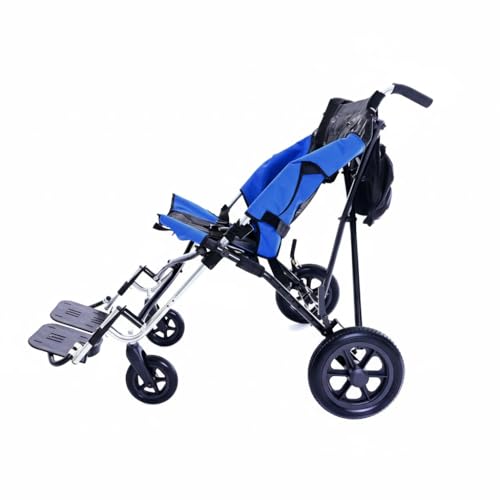
The Sylvan Adaptive Urban Rider is built for teens and young adults who require a heavy-duty, portable stroller solution. It emphasizes a sturdy alloy steel frame, an easy setup, and a 250-pound capacity. It is best for families prioritizing high durability and fast deployment in various settings. A limitation is that it may be bulkier than umbrella-fold options, which could affect storage space in smaller vehicles or homes.
Buying Guide
What should you consider when choosing a special needs stroller for an older child?
- Weight capacity and height: Match the user’s current weight and height with the stroller’s limits to ensure safety and comfortable seating.
- Seating width and depth: Ensure there is adequate space for the child’s torso and legs; deeper seats may improve comfort for taller users.
- Adjustability: Look for adjustable footrests, reclining positions, and harnesses that can adapt as the child grows or changes needs.
- Wheels and maneuverability: Swivel front wheels and solid tires help navigate doors, curbs, and uneven ground; consider pneumatic vs. puncture-free tires based on typical terrain.
- Foldability and portability: Umbrella folds are compact for storage and travel; however, some models balance folding ease with stabilization when in use.
- Weight of the stroller: A lighter frame is easier to lift and transport but may trade off some rigidity or capacity; heavier frames offer durability for daily use.
- Maintenance and cleaning: Removable upholstery and machine-washable components simplify cleaning after outings.
- Safety features: Secure harness, padded seating, and reliable brakes are essential; confirm the availability of a safety belt and proper restraint systems.
Choosing the right stroller involves balancing sturdiness, comfort, and practical everyday use. For long outings or frequent travel, prioritize models with higher weight capacity and durable frames. For simpler, curb-to-car trips, lighter options with easy folding may be preferable. Consider color and style decisions only after core safety and comfort criteria are satisfied.
Frequently Asked Questions
- What is the typical weight limit for these strollers? Most models here support up to 110 pounds, with some heavy-duty options reaching 250 pounds.
- Are these strollers suitable for very tall children? Yes, many models accommodate children up to about 48 inches tall, but check seat depth and back height for comfort.
- Can these strollers be folded easily for travel? Several options feature umbrella or quick-fold designs for compact storage and transport.
- Do they include safety harnesses? Yes, most include 5-point harnesses and padded seating for security and comfort.
- Which stroller is best for autism-related mobility needs? Models offering adjustable seating widths and reclining positions, like the Smilez, provide versatility for varying comfort and positioning.
- How important are wheel types for outdoor use? Puncture-free tires and 360-degree swivel wheels improve maneuverability on sidewalks and indoors; choose based on typical terrain you’ll encounter.