Looking for spill-proof cups that keep messes to a minimum while helping toddlers transition to independent drinking? This guide highlights top toddler spill-proof cups that balance leak-proof design, kid-friendly handling, and easy cleaning. Best for busy families, travel-ready options are included, along with guidance on choosing the right cup for your child’s age and needs.
| Product | Best For | Key Benefit |
|---|---|---|
| REDUCE GoGo’s Kids Portable Tumbler Cups | Active families, daycare | Stackable, lids and spill-proof straws |
| Munchkin Miracle 360 Sippy Cups | New walkers, early toddlers | Spoutless design with 360-degree drinking edge |
| NUK Fun Grips Hard Spout Sippy Cup | Little hands, bite-prone teething | Textured grip, bite-resistant spout |
| Zak Designs Kelso 15oz Cups (DinoRoar) | Home or travel, longer use | Leak-proof silicone straw with valve |
| Owala Kids Insulation Tumbler | On-the-go families, travel | Spill-resistant lid, easy-clean straw |
Product selection is based on leak-proof design, ease of cleaning, kid-friendly handling, and practical age-appropriate use. The table above summarizes who each cup serves best and why it stands out in real-world scenarios like daycare, travel, or home meals.
REDUCE GoGo’s Kids Portable Tumbler Cups
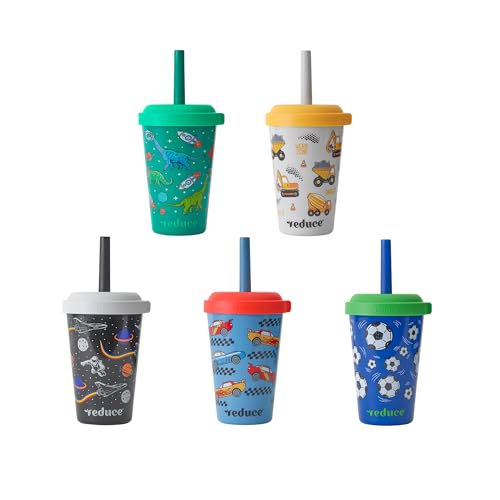
Features include spill-proof straws integrated into each 12 oz tumbler and stackable design for compact storage. Made from BPA-free materials for everyday hydration. Best for active kids who need reliable mess control during playdates or on-the-go trips. A potential limitation is that stackable sets may require careful drying to prevent trapped moisture between lids. Choose this if you value space-saving storage and dishwasher-safe cleaning.
Munchkin Miracle 360 Sippy Cup (2 Pack)

Best for new walkers and toddlers transitioning from bottles. The 360-degree drinking edge eliminates spills when the cup is set down, and the cup seals automatically when not in use. This design helps prevent drips on floors and furniture. A potential limitation is that some toddlers take longer to master the 360-degree edge; plan to guide initial use. Select this if you want a true spill-free experience with an easy transition from sippy to regular cups.
NUK Fun Grips Hard Spout Sippy Cup (4pk)

Designed for little hands with a textured grip and a bite-resistant hard spout. The cup is 100% leak-proof and spill-proof, making it a strong choice for homes with carpet or car seats. Best for teething toddlers who gnaw on spouts. A limitation to note is that hard spouts may feel less forgiving if saliva or food residue accumulates; regular cleaning helps maintain performance. Choose this if you want a durable, bite-friendly cup for daily use.
Zak Designs Kelso 15oz DinoRoar Cup

Two-piece, leak-proof design with a silicone straw and built-in valve that prevents spills when tipped. The straw is soft for little mouths and the cup is dishwasher-safe for easy cleanup. Best for kids who prefer larger capacity cups for longer outings. Limitation: may be bulkier for very small hands. Choose this if you want a durable travel-friendly option with a reliable valve-based spill prevention.
Owala Kids Insulation Stainless Steel Tumbler

12-ounce insulated stainless steel with a spill-resistant lid and a removable straw. It’s easy to clean and dishwasher-safe, making it a convenient choice for travel and daily use. Best for families who value temperature retention and simple maintenance. A potential drawback is that stainless steel cups can be heavier than plastic options; consider your child’s ability to manage a slightly heavier cup. Choose this if you want temperature control and a durable design for outdoor activities.
Buying Guide: Key Considerations For Your Toddler Cup
What age is best suited for spill-proof cups?
Most spill-proof cups cater to toddlers around 6 months and up through preschool. Look for age-appropriate features, such as bite-resistant spouts for teething infants and 360-degree rims for older toddlers transitioning to regular cups.
Leak-proof design: what works?
Common effective mechanisms include valve-based silicone straws, spoutless designs that seal when not drinking, and 360-degree drinking edges that minimize spills. Assess which mechanism aligns with your child’s drinking style and your cleaning routines.
Materials and cleaning: what to expect?
Options include BPA-free plastics and stainless steel. Dishwasher-safe components save time but ensure parts disassemble easily to remove trapped moisture. Consider whether you need lightweight cups for travel or sturdier cups for active play.
Size and weight: why it matters?
For toddlers, 8–12 oz cups are common starting points. Larger 15 oz cups suit longer outings but may be harder for tiny hands. Weight matters on car seats, strollers, and high chairs; test with your child if possible.
Durability and safety: what to look for?
Look for bite-resistant spouts, durable plastic or stainless steel, and robust lids. Ensure the design supports easy disassembly for cleaning but holds up to daily use and occasional drops.
Storage and portability: what helps?
Stackable designs, clasped lids, and compact cups help with cabinet space and travel. If you have limited storage, prioritize stackable cups and sets with interchangeable lids or components.
Care and maintenance: how to keep them leak-free?
Rinse after use, wash disassembled parts, and air-dry completely. Check silicone seals for wear and replace them if they show cracking or stiffness to maintain leak protection.
Frequently Asked Questions
- What is the most reliable spill-proof cup for a toddler?
Leak-proof designs with silicone valves or 360-degree edges tend to perform well in preventing spills in various scenarios. - Can spill-proof cups replace sippy cups permanently?
They can be part of a progressive transition from bottles to regular cups, depending on your child’s readiness and comfort. - Are spill-proof cups dishwasher safe?
Many are, but always check the product’s cleaning instructions and disassemble parts as needed for thorough dry air-drying. - How big should the cup be for a 2-year-old?
Typically 8–12 ounces suits most toddlers, balancing capacity with ease of handling and reducing spills from overfilling. - Is stainless steel better than plastic for spill-proof cups?
Stainless steel offers temperature retention and durability, but plastic cups are lighter and often easier for small hands to grip. - Do spill-proof cups help with teething?
Spout-resistant or bite-friendly spouts can minimize discomfort and encourage chewing-free sipping, depending on the child.