Whether you’re planning a beach day or a park picnic, choosing the right spray sunscreen for toddlers is essential. This guide highlights five top, kid-friendly options that balance gentle formulas with effective UVA/UVB protection. The best choices are suited for parents seeking mineral-based or light, fast-absorbing sprays that are easy to apply on small bodies. The list below helps you compare textures, active ingredients, and application tips to keep little ones safe in the sun.
| Product | Key Benefit | Best For |
|---|---|---|
| Baby Bum SPF 50 (Mineral) | Gentle mineral-active protection | Sensitive baby skin, fragrance-free |
| Coppertone Pure and Simple Kids SPF 50 | Zinc oxide mineral formula | Hypoallergenic, minimal ingredients |
| Sun Bum Kids SPF 50 Clear | Clear spray, water-resistant | Active kids, avoid white residue |
| Blue Lizard Kids SPF 50+ | Mineral protection, rubs in clear | Sensitive or reactive skin |
| Neutrogena Beach Defense SPF 70 | Fast-drying, broad protection | Families needing quick reapplication |
Baby Bum SPF 50 Sunscreen Spray
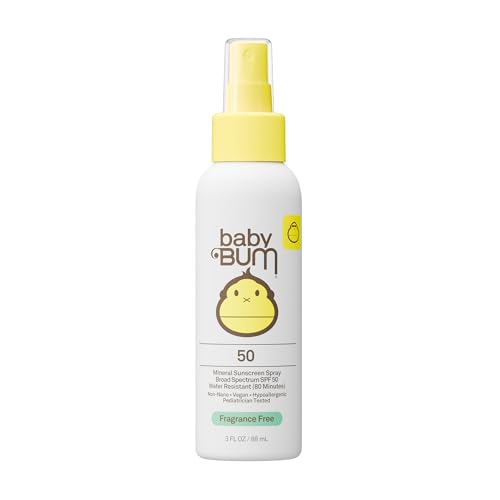
Product highlights: This travel-sized spray uses a mineral-active base designed for delicate baby skin. It provides UVA/UVB protection with a non-oily feel. The fragrance-free formula supports hydration with natural ingredients like coconut oil, shea butter, and cocoa butter. Best for parents seeking a gentle, plant-based option that travels well and is easy to apply to face and body.
Who it’s best for: Ideal for parents of infants and toddlers with sensitive or fragrance-sensitive skin. The compact size makes it convenient for stroller trips and vacations. Limitations: While travel-friendly, you may need to rub in thoroughly to avoid uneven coverage on hard-to-reach areas.)
Coppertone Pure And Simple Kids Sunscreen Spray SPF 50

Product highlights: Mineral-based sunscreen spray with zinc oxide, designed to be hypoallergenic and gentle. The formula emphasizes simple, clean ingredients suitable for sensitive skin. Best for families who want a zinc-oxide option without fragrance or parabens. Caution: Mineral-based sprays can leave a white cast if not rubbed in thoroughly, especially on darker skin tones.
Sun Bum Kids SPF 50 Clear Sunscreen Spray

Product highlights: A clear spray that can be applied to wet or dry skin. It uses a zinc-based mineral formula and includes vitamin E. The spray is designed to be non-greasy and odor-free, making it attractive for active kids. Best for: parents who want a quick, no-residue application and a formula free from synthetic fragrances. Caution: Reapply frequently after swimming or sweating, and avoid direct spraying on the face; apply to the hands first.
Blue Lizard Kids Mineral Sunscreen Spray SPF 50+
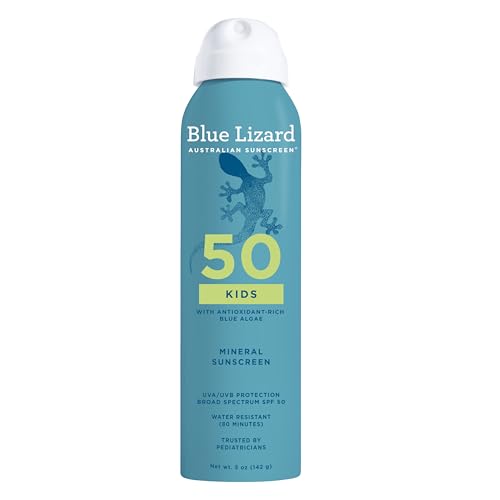
Product highlights: Specifically formulated for kids, this spray provides broad-spectrum protection with zinc oxide. It rubs in clear and avoids chemical actives, reducing potential irritants. Best for: children with sensitive or reactive skin who need a reliable mineral option. Caution: Mineral sprays may require more wiping and rubbing to ensure even coverage, especially on limbs and back.
Neutrogena Beach Defense Kids SPF 70

Product highlights: A high-SPF option with fast-drying spray for easy application. The formula is designed to be oil-free and water-resistant for up to 80 minutes, supporting active outdoor play. Best for: families who need quick reapplication during swims or sports. Caution: Higher SPF sprays can feel drier on some skin types and may require thorough rubbing for even protection.
Buying Guide: How To Pick The Right Toddler Spray Sunscreen
What to look for when choosing: priority considerations include mineral versus chemical actives, fragrance sensitivity, water resistance, and spray comfort on small bodies. Mineral options (zinc oxide) tend to be gentler for sensitive skin, while chemical-free formulations minimize irritants. Water resistance matters for water play; check recommended reapplication intervals. For busy families, a clear spray reduces white residue and speeds up application.
Key Questions To Ask Before Buying
- Is the sunscreen mineral-based or chemical-based, and which is better for my toddler’s skin? Mineral forms are often gentler for sensitive skin.
- Does the product specify water resistance and reapplication timing for active outdoor days?
- Are there fragrance-free or hypoallergenic options available?
- Is the spray easy to apply on a child’s arms, legs, and face without clogging or skipping areas?
- Does the package indicate safe use around eyes and how to avoid accidental eye contact?
Practical Comparisons
- Best for sensitive skin: Baby Bum SPF 50 Mineral, Coppertone Pure and Simple Kids SPF 50
- Best for active play (clear application): Sun Bum Kids SPF 50 Clear, Blue Lizard Kids Mineral SPF 50+
- Best for quick reapplication after water: Neutrogena Beach Defense SPF 70
Frequently Asked Questions
- What SPF is best for toddlers? A broad-spectrum SPF 50+ is common for toddlers, with mineral options favored for sensitive skin.
- Should I use mineral or chemical sunscreen for my toddler? Mineral (zinc oxide) is often recommended for babies and sensitive skin due to gentler ingredients.
- How often should I reapply sunscreen on a toddler? Reapply every 2 hours or after swimming, sweating, or towel drying, as directed on the label.
- Can I apply sunscreen on a wet toddler? Some formulas allow application on wet skin, but it’s usually best to apply to dry skin for even coverage.
- Are there fragrance-free options? Yes, several brands offer fragrance-free or hypoallergenic versions suitable for sensitive skin.
- What should I avoid when choosing sunscreen for toddlers? Avoid active ingredients that are not clearly labeled as child-safe, and watch for potential irritants like certain fragrances or dyes.