Answering your search for reliable Stage 2 baby food, this guide highlights five strong options chosen for variety, nutrition, and on‑the‑go convenience. These products suit caregivers seeking ready-to-serve blends that introduce new textures and flavors to babies six months and older. The top picks include fruit–and–cereal mixes, meat and poultry blends, and clearly labeled pouches or tubs for easy portioning. This guide also helps you compare content and delivery style to match your baby’s development and feeding routine.
Summary table of selected products
| Product | Best For | Notes |
|---|---|---|
| Gerber Nourishing Blends Tubs – Chicken | Stage 2 meat & veggie variety | Savory flavor with whole grains |
| Happy Baby Organics Stage 2 Pouches | Organic fruit & veggie exploration | Clear packaging, vegan-friendly |
| Gerber Fruit & Veggie Favorites Tubs | On-the-go fruit and veggie varieties | 8–16 pack options |
| Gerber Beef & Gravy Jar | Meat puree with gravy textures | Glass jar option |
| Gerber Chicken & Turkey Jars | Mealtime poultry puree variety | Portability and portion control |
Gerber Nourishing Blends Tubs, Chicken

Best for: babies beginning to accept new textures while enjoying meat texture. These Stage 2 blends combine poultry with vegetables and grains to support a varied diet. The tubs are designed for easy storage and on‑the‑go feeding, making them convenient for busy families. The data suggests a balanced approach to nutrition in a single serving. A limitation: some babies may prefer smoother textures and may require additional mashing or blending for preferred consistency.
Happy Baby Organics Stage 2 Pouches

Best for: organic options with visible ingredients. These Stage 2 pouches provide smooth fruit and veggie purees in a clearly labeled format. They are ideal for toddlers practicing self-feeding and for parents seeking transparent ingredient lists. Caution: pouch availability and variety may vary by region; some babies may need added texture or protein as they grow.
Gerber Stage 2 Fruit & Veggie Favorites Tubs

Best for: a variety of fruit and veggie flavors in an easy tub format. This 32‑pack style provides a broad taste range to keep mealtime engaging and helps introduce new combinations. Best for caregivers seeking cost‑effective, versatile options. Limitation: some blends may include added sugar or flavorings that parents may want to monitor.
Gerber Chicken & Turkey Jars

Best for: introducing poultry textures with a familiar flavor profile. These Stage 2 jars offer convenient portion sizes and a savory option for mealtime variety. Consider avoiding if your baby shows sensitivity to poultry or if you prefer non‑poultry proteins at this stage.
Gerber Beef & Gravy Jar
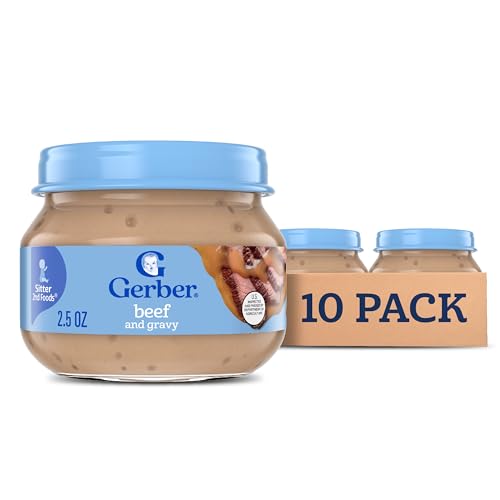
Best for: meat puree with a gravy texture that adds familiar mealtime appeal. This Stage 2 jar supports iron intake and a richer texture for older infants. Caution: texture and gravy consistency may be heavier; adjust by mixing with a smoother puree if needed.
Buying Guide
What to look for in Stage 2 baby foods
Choose products with simple ingredient lists and recognizable foods. Look for iron‑rich options to support brain development, as many Stage 2 blends incorporate iron or fortified cereals. Consider organic options if you want fewer pesticides or prefer non‑GMO ingredients. Check packaging for clear labeling of age suitability and any potential allergens.
Texture and feeding stage
Stage 2 foods are designed for babies who can sit up and self‑feed with some spoon help. Textures vary from smooth purées to more textured blends with small chunks. Some babies transition at their own pace; you may need to adjust by mashing or thinning with water or breast milk if the texture is too thick.
Portability and storage
Tubs and pouches are popular for on‑the‑go feeding. Tubs are generally resealable and compatible with small spoons, while pouches offer grab‑and‑go convenience. For jars, choose compact jars with secure lids that are easy to transport. Always store unopened containers per label instructions and refrigerate after opening if required.
Nutritional balance
Seek a mix of fruit, vegetable, grain, and protein sources to support a broad nutrient profile. Iron is a key nutrient in many Stage 2 foods to aid cognitive development. If your baby tires of one flavor, rotate to another option to maintain interest and nutritional variety.
Dietary considerations
Review any allergies in the family and watch for common allergens such as dairy, eggs, or soy. Many products offer vegan or vegetarian options; if your baby requires a specific diet, verify that the chosen product aligns with dietary restrictions and pediatric guidance.
Usage tips
- Introduce single‑ingredient items first to monitor tolerance before offering blended options.
- Serve at room temperature or slightly warmed for better palatability.
- Combine Stage 2 purées with breast milk or formula to adjust consistency.
FAQs
- What age are Stage 2 foods appropriate for? Babies typically around 6 months and older who sit with support and show interest in self‑feeding.
- Should I avoid certain ingredients in Stage 2 foods? Prefer products with simple ingredients and watch for added sugars or unnecessary additives.
- Can I mix Stage 2 foods with Stage 1? Yes, to ease transition, you can blend Stage 2 with Stage 1 purées to adjust texture.
- Are all Stage 2 foods fortified with iron? Many Stage 2 blends include iron; always check the nutrition facts on the label.
- What if my baby rejects a flavor? Rotate flavors and textures gradually. Some babies need multiple exposures before accepting a new taste.
- How should I store opened Stage 2 containers? Refrigerate promptly after opening and use within the time suggested on the packaging.