Answering the question “What Stage 3 baby food is best?” this guide highlights five top options aimed at babies ready for thicker purees and more complex flavors. These stage 3 pouches and tubs are best for parents seeking convenient, protein-rich blends that advance textures while keeping ingredients simple and organic where possible. Ideal for parents managing picky eaters, feeding schedules on the go, or gradually expanding a child’s palate, these picks emphasize texture, nutrition, and ease of use.
Summary of selected products:
| Brand | Product | Format | Best For |
|---|---|---|---|
| Happy Baby | Savory Blends Stage 3 (Meats & Veggies) Variety Pack | Pouches (Pack of 8) | Picky eaters needing protein with veggies |
| Gerber | Stage 3 Banana Strawberry Yogurt Puree Tubes | Tubs (4 oz, 2 count) | On-the-go convenience with yogurt texture |
| Beech-Nut | Protein & Fiber / Iron & Zinc / Prebiotic Fiber Variety Pack | Pouches (3.5 oz, 18 pack) | Variety and nutritionally focused blends |
| Gerber | Stage 2 Fruit & Veggie Favorites Variety 32PK | Tubs (2-packs) | Budget-friendly variety for growing tastes |
| Amara | Organic Stage 3 Black Bean & Sweet Corn Cereal Mix | Pouches (3.5 oz) | Customizable texture with breastmilk or formula |
Happy Baby Savory Blends Stage 3 Pack

Features include organic protein plus a full serving of vegetables, designed for Stage 3 eaters exploring thicker textures. The blends are unsalted and use ingredients such as free-range turkey and harvest vegetables. Best for parents seeking balanced meals with protein and veggies in one pouch, helping introduce new flavors while maintaining familiar textures. A caution: check for any ingredient sensitivities to specific herbs used in the blends.
Gerber Stage 3 Strawberry Banana Yogurt Puree Tubs (8-count)
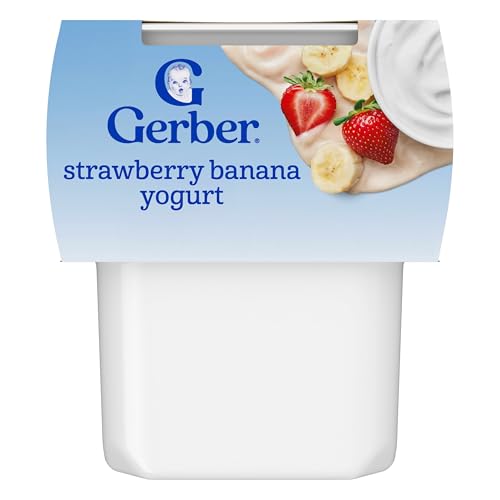
Best for parents needing convenient, portable tubs that combine fruit puree with yogurt-like texture. This option provides potassium and vitamin D and contributes to calcium intake for bone development, making it suitable for babies transitioning to thicker textures while keeping a familiar flavor profile. Choose this for quick feeding sessions when flavor familiarity matters; avoid if dairy allergies or sensitivities are a concern.
Beech-Nut Variety Pack: Protein & Fiber / Iron & Zinc / Prebiotic Fiber

This 18-pack provides three distinct pouches to support different nutritional goals: protein and fiber, iron and zinc, and prebiotic fiber. No artificial preservatives, colors, or flavors and non-GMO ingredients make it suitable for parents prioritizing clean labels. Best for families who want variety without extra shopping trips; better for gradually introducing different nutrient focuses. Limitation: some blends include common allergens, so check ingredient lists for your baby.
Gerber Stage 2 Fruit & Veggie Favorites Variety

Best for families building a budget-friendly rotation of stage-appropriate flavors. While labeled as Stage 2, many babies transition to Stage 3 textures with these thicker purées, making them a flexible option for flavor exploration. Choose this if you want a broad variety without committing to a single flavor profile. Limitation: some blends may be younger-stage appropriate; ensure your baby is ready for slightly thicker textures before feeding.
Amara Organic Stage 3 Black Bean & Sweet Corn

Best for parents seeking a plant-forward, protein-rich option that can mix with breastmilk, formula, or water to achieve a baby-appropriate texture. The blend emphasizes whole organic ingredients and non-GMO credentials. This is ideal for parents who want a customizable consistency and a nutrient-dense cereal-style format. A potential limitation is the need to mix for texture control, which may require additional preparation time.
Buying Guide: Stage 3 Baby Food Considerations
- Texture sharpness: Stage 3 generally means thicker purees and smoother mashed textures. Look for blends that explicitly advertise thicker consistency or “stage 3” labeling to match your baby’s chewing development.
- Protein and iron: As babies approach their second year, protein and iron support growth. Choose options with organic protein sources or iron-fortified blends when possible.
- Allergen introduction: Some Stage 3 options incorporate nuts or soy. If introducing allergens, select products designed for early allergen exposure or consult a pediatrician for guidance.
- Texture variety: A mix of meat-based, bean-based, and fruit-vegetable blends helps expand taste and texture. Consider packs offering multiple flavors to reduce meal-time fatigue.
- Convenience vs. customization: Single-ingredient pouches are simpler but may require mixing to reach Stage 3 texture. Pouches that specify mix-with-breastmilk or formula offer easier customization.
- Allergen and ingredient transparency: Look for products with clearly labeled ingredients and no artificial preservatives or colors to support clean-label choices.
- On-the-go practicality: Tubs and pouches with secure caps or lids simplify feeding away from home. Check for leak-resistant packaging and easy resealability.
Frequently Asked Questions
- What is Stage 3 baby food best for?
Stage 3 is designed for babies who are developmentally ready for thicker textures and more complex flavors, typically around 8–12 months and up, depending on the child.
- How do I know if a Stage 3 product is appropriate for my baby?
Consult your pediatrician and watch for readiness cues such as the ability to sit with support, limited tongue-thrust, and interest in self-feeding. Texture and spoon control are key indicators.
- Are there allergen-friendly Stage 3 options?
Yes, some blends introduce common allergens like nuts or soy. If your baby has known allergies or you’re introducing allergens, select products labeled for allergen introduction and follow pediatric guidance.
- Can Stage 3 foods be mixed with breastmilk or formula?
Many Stage 3 products are designed to be blended or molded with breastmilk or formula to adjust texture and flavor. Check product instructions for recommended mixing guidelines.
- Are there organic Stage 3 options available?
Several brands offer organic Stage 3 blends, including plant-based and meat-based options, helping parents align with organic feeding goals whenever possible.
- How should I store Stage 3 baby foods?
Unopened pouches and tubs are typically shelf-stable. After opening, refrigerate and use within the product’s recommended window to maintain texture and safety.