Answering the question “which starter cups for babies should I choose?” this guide highlights practical, age-appropriate options that support a smooth bottle-to-cup transition. The best picks are suited for infants starting around 4–6 months and progressing to toddlers who are learning independent drinking. Each product below is selected for simple handling, safe materials, and features that help reduce spills. Ideal buyers include parents seeking anti-spill designs, weighted straws for flexible sipping, and cups that grow with a child’s developing skills.
Summary of chosen products
- Tommee Tippee Starter Weighted Straw Baby & Toddler Cup — 8oz, 6+ months
- Moonkie 4 oz Training Cup Set — 2-pack, 4 months+, 3-in-1 design
- NUK Learner Cup — 5 oz, 6+ months, BPA-free
- The First Years Squeeze & Sip Toddler Cup — 7 oz, 6 months+
- PandaEar 3.5 oz Silicone Cups — 2-pack, beginner-friendly grip
Tommee Tippee Starter Weighted Straw Cup – 8oz

Best for parents seeking a spill-resistant design with a flexible straw. The cup features anti-valve technology to minimize leaks, even when shaken or held upside down. The soft weighted silicone straw allows drinking from multiple angles, easing transitions from bottle to cup. Antibacterial properties reduce bacteria by up to 99.9% on the straw, supporting hygiene as babies explore new drinking habits. Suitable for babies from about 6 months and up, with easy-hold handles for growing hands.
Best for: caregivers who want a robust, anti-spill cup that still supports varied sipping angles. Limitations: anti-bacterial claims refer to the straw, not the entire cup.
Dr. Brown’s Milestones Straw Cup – 9 oz (1-Pack)

Best for babies who are transitioning from bottle to cup and need a handled, easy-to-grip design. The weighted straw moves with the liquid to allow sipping from any direction, supporting a natural drinking motion. Side-grip handles are removable, letting the cup grow with a child’s grip and coordination. The cup’s contoured body helps little hands hold it securely. This option is well-suited for toddlers who are refining motor skills and need a stable sipping cup during practice.
Best for: early transitioners who benefit from adjustable handles. Limitations: handles are removable but not permanently fixed, so they must be reattached securely for stability.
Moonkie 4 Months+ Training Cup Set – 4 oz
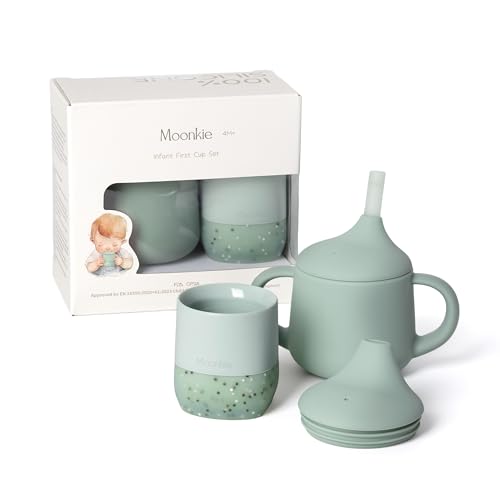
Best for babies advancing from bottle to cup with a versatile 3-in-1 design. The set supports a smooth transition from sippy cup to straw cup to open cup, promoting progressive drinking skills. Made from 100% food-grade silicone, it is BPA-free and gentle on gums. The spout and straw are soft, reducing irritation while assisting oral development. Helpful for families seeking a compact, stage-based cup with long-term usability.
Best for: families wanting one cup that grows with a child. Limitations: 4 oz capacity may require more frequent refills for older toddlers.
NUK Learner Cup – 5 Oz (2-Pack)
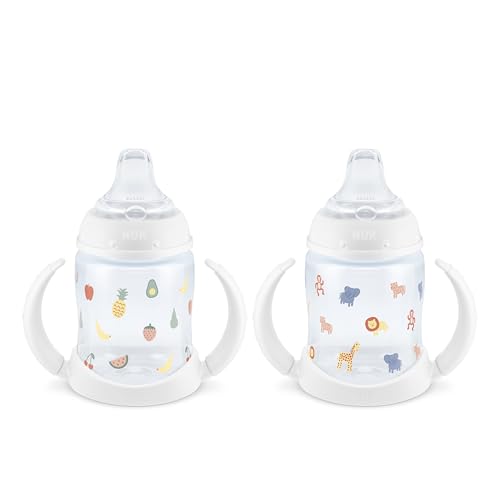
Best for a gentle, step-by-step transition from breast or bottle to a first cup. The 5 oz capacity is a practical size for small hands, with easy-grip, anti-slip handles that are removable as the child grows. The spill-proof soft spout teaches drinking from a spout while guiding liquids into a controlled flow. This option suits parents seeking a straightforward, reliable learning cup for steady skill development.
Best for: early learners who benefit from a simple, straightforward transition. Limitations: volume is modest, meaning it may require more frequent refills during active use.
The First Years Squeeze & Sip Toddler Cup – 7 Oz (3 Count)
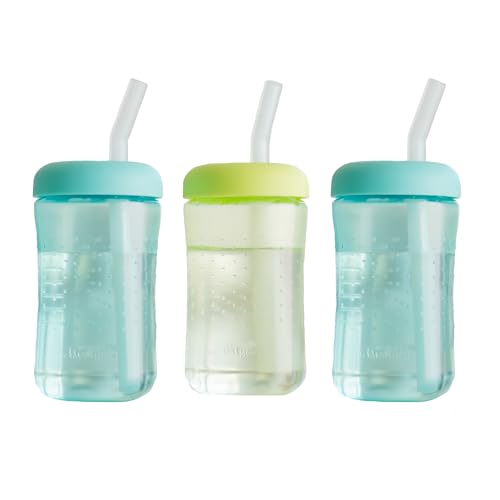
Best for varied sipping skills and a gradual transition. The squeeze-and-sip design uses a silicone straw with a valve to control flow, helping kids learn to drink from a straw while staying within a leak-resistant system. The set’s multiple cups promote extended use as a child grows, making it a practical choice for families who want durable, adaptable training cups. Note that bottle color variations may apply.
Best for: kids who benefit from controlled flow and a squeezable training approach. Limitations: color options may be unpredictable due to assortment.
PandaEar 2 Pack 3.5oz Silicone Cups

Best for tiny hands with a focus on grip and safety. These cups use 100% food-grade silicone, feature non-slip grip bumps for secure handling, and are designed for everyday use both indoors and outdoors. They’re durable, stain-resistant, and safe for dishwasher top-rack cleaning. The 3.5 oz size is ideal for early sipping sessions and helps minimize waste as babies learn to drink more independently.
Best for: parents needing compact, safe cups with a strong grip for small children. Limitations: smaller capacity may require more frequent refills for older toddlers.
Buying Guide: Key Purchase Considerations
What should you look for when choosing starter cups for babies?
- Age and skill level: Match cup features to developmental stage, from bottle-to-cup transitions to early independent sipping.
- Spill resistance: Anti-spill valves, weighted straws, and secure lids help minimize messes during learning.
- Materials and safety: BPA-free, food-grade silicone or polypropylene options often preferred for baby use.
- Grip and ergonomics: Easy-to-hold handles or contoured shapes support small hands learning grip control.
- Durability and care: Dishwasher-safe parts and robust construction reduce maintenance and replacement needs.
- Growth potential: Some sets offer multiple configurations (sippy, straw, open cup) to accompany skill progression.
How many cups should a family start with?
For most families, a set of 2–3 cups across different designs provides enough variety for daily use, cleaning ease, and preference testing as a child grows.
Which features deliver the best value?
Look for weighted straws for flexible sipping, removable handles for growth, and spill-proof valves to reduce mess during high-use periods.
Soft spouts vs. hard spouts: what to choose?
Soft silicone spouts are gentler on gums and teeth for younger infants, while harder spouts can be more durable for older toddlers who require sturdier drinking surfaces.
FAQ
- When should I switch from a bottle to a cup? Most babies transition around 6 months, gradually increasing cup use as they develop motor skills and interest in self-feeding.
- Are silicone cups safe for babies? Yes, if they are food-grade, BPA-free, and designed for infant use.
- Which cup design prevents spills best? Cups with anti-spill valves and weighted straws typically minimize leaks during early use.
- Can I use the same cup for my toddler as they grow? Some cups offer growth features (removable handles, multiple configurations) that adapt to a child’s advancing skills.
- How do I choose between a sippy cup, straw cup, and open cup? Start with a sippy cup for basic practice, progress to straw cups for coordinated sipping, and introduce an open cup to promote lip closure and speech development as appropriate.
- Are there cleaning considerations? Choose cups with dishwasher-safe components and simple disassembly to keep hygiene high and maintenance low.