Find the best straw cups for toddlers that are durable, easy to clean, and designed to minimize spills. This guide highlights five top options, with insights on who each cup is best for and why. Ideal for parents seeking reliable, kid-friendly designs that support independent drinking while traveling or at home.
| Product | Best For | Capacity | Material | |
|---|---|---|---|---|
| Zak Designs Kelso Toddler Cups (DinoRoar / Sweet Berry variants) | Travel or Home Use | 15 oz | Plastic with silicone straw | Leak-proof valve in straw; easy disassembly for cleaning |
| Dr. Brown’s Milestones Straw Cup | Growing toddlers needing weightless straw | 9 oz | BPA-free plastic | Weighted straw for sipping at any angle |
| The First Years Squeeze & Sip | Small hands; transition from trainer cup | 7 oz | Plastic with silicone straw | Squeeze-to-sip mechanism; valve helps prevent spills |
| Nuby No-Spill Sippy Cup (3-pack) | Mess-prone toddlers; value pack | 10 oz each | Plastic; silicone straw | Touch-Flo valve to control flow |
| REDUCE GoGo’s 5-Pack Tumbler Set | Multi-child households; storage-friendly | 12 oz per cup | Plastic with lids and spill-proof straws | Stackable design; dishwasher safe |
Zak Designs Kelso Toddler Cups For Travel or At Home

The Zak Designs Kelso 15-ounce cups come in a two-pack set with durable plastic bodies and silicone straws. The built-in valve on the straw helps prevent spills when the cup tips, while the straw remains comfortable for kids to sip from. They disassemble for easy cleaning and are dishwasher safe, though they should not be microwaved. Best for families who want a simple, leak-resistant option for travel or daily use.
Who it’s best for: Parents seeking a compact, lightweight option for toddlers who need reliable spill prevention during car rides or outings. Two-pack sets are convenient for households with multiple children or for keeping a spare cup in a backpack or daycare bag.
Limitations: Made of plastic; avoid microwaving. Smaller cups may require more frequent refills for older toddlers with higher fluid needs.
Zak Designs Kelso Stainless Steel 12oz Sippy Cup

This 12-ounce stainless steel tumbler features vacuum insulation to keep drinks cold for up to 10 hours and a BPA-free silicone spout. It has a leak-proof design with a soft-stroke straw and a built-in valve for controlled flow. Top-rack dishwasher safe and disassemble-friendly for thorough cleaning. Best for parents who want better temperature control and a more durable cup for daily use.
Who it’s best for: Families seeking a higher-durability option that resists condensation and keeps beverages cold during outdoor activities. Suitable for toddlers transitioning to mixed drinks or water-heavy routines.
Limitations: Stainless steel cups can be heavier than plastic options; ensure your child can manage the weight when full.
Dr. Brown’s Milestones Baby’s First Straw Cup

The Dr. Brown’s Milestones Straw Cup is designed to ease the bottle-to-cup transition with a weighted straw that follows the liquid. The side-grip handles are easy for little hands to grab, and the cup’s contoured shape supports growing grip skills. Best for babies and toddlers who are developing independent sipping and need a flexible cup that adapts as their motor skills improve.
Who it’s best for: Parents seeking a cup that remains usable as a child grows, thanks to removable handles and a weight-adjusted straw that works from several angles.
Limitations: It is sized for younger toddlers; older children may outgrow the capacity quickly.
The First Years Squeeze & Sip Toddler Straw Cups

The Squeeze & Sip cups introduce a unique squeeze-to-sip action with a silicone straw. The valve controls flow to reduce spills, and the 7-ounce size is well-suited to small hands. Long-term use is supported by keeping the straw comfortable and easy to grip. Best for parents who want a playful, easy-to-use trainer cup that can also serve as an everyday hydration cup.
Who it’s best for: Toddlers who respond to squeezing actions and need a gentle introduction to straw drinking while keeping mess minimal.
Limitations: Smaller capacity means more frequent refills for thirsty kids; validation for older toddlers should consider daily water needs.
Nuby No-Spill Sippy Cup With Flex Straw
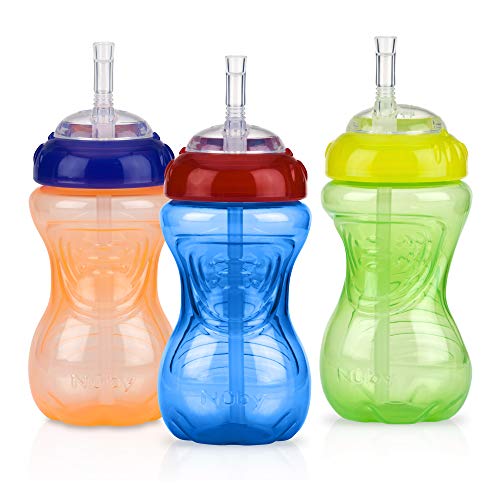
The Nuby No-Spill No-Spill Easy Grip Cup uses a soft Flex straw with a built-in valve that opens only during sipping, helping prevent leaks. The curved, grooved cup design supports small hands gripping easily. Best for parents who want a 3-pack value and a no-spill mechanism that works well for daily use at home or travel.
Who it’s best for: Families prioritizing a reliably no-spill experience and easy handling for toddlers learning to drink from a straw cup.
Limitations: The no-spill mechanism relies on valve operation, which may require occasional cleaning to maintain optimal flow.
REDUCE GoGo’s Kids Portable Tumbler Cups
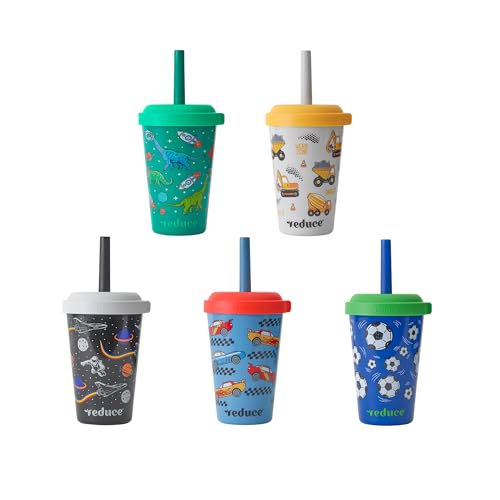
The REDUCE GoGo’s 5-pack features 12-ounce stackable tumblers with lids and spill-proof straws. The set is designed to save kitchen storage space and to be dishwasher safe. Best for households with limited cabinet space or for quick packing in lunchboxes or daycare bags.
Who it’s best for: Families needing multiple cups in a compact, organized set for convenience and mess reduction on the go.
Limitations: Plastic construction may show wear faster with heavy use; ensure lids seal properly for maximum spill prevention.
The First Years Take & Toss Straw Cups

The Take & Toss rainbow value set includes 20 cups with snap-on lids and straws, designed to prevent spills and facilitate travel. Each cup is 10 ounces, making the set suitable for classrooms, parties, or daycare packing. Best for caregivers who need high-volume, affordable spares for frequent use and group settings.
Who it’s best for: Daycare providers or large families needing many spill-proof cups with quick cleanup and replacement options.
Limitations: The sheer quantity may be more than needed for a single toddler and could be less space-efficient for small households.
Buying Guide: Key Considerations For Choosing Straw Cups For Toddlers
- Spill-proof design: Look for valves that require sipping to release liquid and ensure a true no-spill experience during drops or tumbles.
- Capacity and age suitability: Choose 7–15 ounce cups for toddlers to balance hydration needs and manageable weight.
- Material safety: Favor BPA-free plastics for lightness or stainless steel for durability and insulation, depending on your priorities.
- Ease of cleaning: Removable straws and dishwasher-safe components simplify maintenance and reduce mold risk.
- Durability vs. weight: Heavier stainless cups resist drops but may be harder for very young toddlers to handle.
- Portability: Lids and travel-friendly designs help minimize spills in cars, strollers, or daycare.
- Value: Multi-pack options can save money for families with multiple children or classrooms, but ensure you actually need many cups.
Frequently Asked Questions
- What age should I start using straw cups for toddlers?
Typically around 6–12 months for introduction, with progression to more independent straw drinking as coordination improves.
- Are stainless steel straw cups safer than plastic?
Both can be safe if BPA-free and free from lead or phthalates. Stainless steel offers better durability and insulation, while plastic is lighter and often cheaper.
- How do I prevent mold in straw cups?
Disassemble cups and allow all parts to dry completely after washing. Prefer cups with dishwasher-safe components for thorough cleaning.
- Is a 10-ounce cup too small for a growing toddler?
It’s a common size for toddlers to encourage frequent, manageable sips; larger cups are suitable for older toddlers or for longer outings.
- Should I buy a mix of plastic and stainless steel cups?
Yes, a mix can balance weight, durability, and temperature retention—use stainless steel for outdoors and plastic for travel or daycare.