For parents seeking reliable and age-appropriate swim gear for toddlers, the right buoyant vests, water wings, and splash-friendly accessories can make water time both safe and enjoyable. This guide highlights five top-rated toddler swim gear products designed for kids aged roughly 2–7 years, focusing on buoyancy, security, and comfort. Each option is best for different water activities—from pool lessons to beach trips—so you can pick the set that matches your child’s needs and your family’s routines.
The following quick-reference table compares the featured products on key points like weight range, safety features, and fit considerations. Use it to narrow choices before diving into individual product details.
| Product | Age/Weight Range | Best For | Key Safety/Comfort Feature |
|---|---|---|---|
| Chriffer Kids Swim Vest | 2–7 years, 30–55 lbs | Pools, beaches, water parks | Dual lock buckles for secure fit |
| AEOCOO Puddle Float Jumper | 1–3 years (20–30 lbs) | Puddle play, early swim practice | Triple buckle design and back support |
| GOSEN Toddler Float Vest | 22–66 lbs (2–7 years) | Learning to swim, beach trips | Double safety buckles and shoulder strap |
| NEMONE Toddler Vest | 22–70 lbs | Versatile water play, calm water lessons | Detachable arm sleeves for customization |
| DRQ Toddler Swim Vest | 22–66 lbs (2–6 years) | Swimming practice, family pool days | Shoulder harness and arm wings for stability |
Chriffer Kids Swim Vest Life Jacket
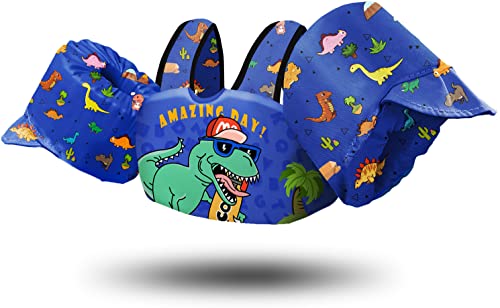
Best For: Active toddlers who need reliable buoyancy in pools and beaches. The dual-buckle system requires adult assistance to open, offering extra security for independent learners. The U-shaped front design reduces neck chafing and improves comfort during dynamic water play.
Why selected: This vest emphasizes safety with two child-safe buckles and a balanced fit. It provides steady buoyancy for confident practice without restricting arm movement excessively.
Caution: Ensure proper adjustment before each use; if the child can untie the buckles alone, this vest may not provide the intended security.
AEOCOO Puddle Float Jumper 20–30 Lbs

Best For: Toddlers aged 1–3 who are just starting in-water activities and need arm-friendly mobility. The triple-buckle design and reinforced back stitching help secure a comfortable, natural range of motion for little swimmers.
Why selected: It balances safety and flexibility, allowing comfortable arm movement while keeping the vest in place during water play. The chin-friendly collar design reduces discomfort during practice.
Caution: Suitability is best for lighter-weight toddlers within the stated range; heavier kids may require a larger model for proper buoyancy and fit.
GOSEN Toddler Float Vest

Best For: Children within the 22–66 lbs range who are learning to swim and need sturdy back support. The vest’s double safety buckles and shoulder harness help keep the vest aligned during active water movement.
Why selected: It offers robust construction with durable materials, emphasizing safety without sacrificing mobility. The vest is suitable for both pool practice and beach trips.
Caution: Check for proper vest orientation before each use; ensure the back buckle remains securely fastened as kids move.
NEMONE Toddler Swim Vest (Detachable Arm Sleeves)

Best For: Families seeking a versatile vest with adjustable size and optional arm sleeves for extra buoyancy. Suitable for children weighing 22–70 lbs and ages roughly 2–7.
Why selected: The detachable arm sleeves provide customization as the child grows, aligning with varying confidence levels in the water. This vest supports continued exploration of kicking and floating skills.
Caution: Arm sleeves are removable; ensure the buckles are secure when retaining or removing sleeves to prevent sudden detachments during water activity.
DRQ Toddler Swim Vest With Arm Wings

Best For: Young swimmers aged 2–6 who benefit from added stability provided by shoulder harness and arm wings. A practical option for pool days and learning-to-swim sessions.
Why selected: This vest emphasizes controlled movement and secure positioning with both shoulder and arm supports, helping children practice kicking and balance with close adult supervision.
Caution: Ensure a proper fit; shoulders and arms should not feel overly restricted, and recheck buckles after dynamic activity.
Buying Guide: Key Purchase Considerations
- Weight and age ranges: Choose a vest or wings that matches your child’s current weight and age to ensure buoyancy without over-constraint.
- Security features: Look for double or triple buckles, shoulder harnesses, and back supports to minimize the chance of the vest slipping off.
- Mobility and comfort: Favor designs with ergonomic shapes, chin-friendly collars, and flexible arm movement to encourage practice and play.
- Detachable components: Some vests offer removable arm sleeves; consider whether you want adjustable buoyancy as your child grows and gains confidence.
- Intended use: Pool, beach, or lessons may require different balances of buoyancy, weight distribution, and quick-dry materials.
FAQ
- What age is appropriate for a toddler swim vest?
Most vests cover children around 2–7 years old, depending on weight. Always check the product’s stated weight range and fit guidance. - Are double buckles safer than single buckles?
Generally, yes. Double or triple buckle designs reduce the risk of accidental release and help keep the vest securely in place during movement. - Can arm sleeves be removed from vests?
Some models offer detachable arm sleeves for adjustable buoyancy. Confirm compatibility with your chosen vest before purchase. - What should I look for in a water-ready shoe for toddlers?
Look for quick-dry materials, slip-on designs, and snug fits to prevent tripping and to protect feet at the pool or beach. - Is a vest better than water wings for practice?
Vests provide buoyancy across the torso and can offer more stability for beginners; water wings support arm movement but may offer less torso support. - How do I determine the correct size?
Use the weight-based range listed by the manufacturer and adjust straps for a snug but not restrictive fit. Always supervise closely in water settings.