Looking for a reliable toddler carrier for travel that keeps both you and your child comfortable on long days of sightseeing or airport transitions? This guide highlights top-rated carriers well-suited for toddlers 24–60 months, with breathable fabrics, ergonomic support, and travel-friendly features. Each option is described for the typical buyer: backpack-style carriers for hands-free versatility, slings for calm, close bonding, and multi-position designs for varying ages and activity. Use the quick reference table to compare key points at a glance before diving into detailed product insights.
| Product | Best For | Key Benefit | Limitations |
|---|---|---|---|
| Beco Breathable 3D Mesh Carrier | Active toddlers; long excursions | Excellent airflow; multiple carry positions | Can be bulkier when packed |
| Lujifo Baby Sling Carrier | Compact travel; quick errands | Soft fabric; dual-adjustable fit | May require practice to use correctly |
| Beco Extra Wide Seat Carrier | Older toddlers needing back support | Wide seat; hip-healthy design | Less structured than framed carriers |
| LILLEbaby 3-in-1 CarryOn Airflow | Travel with strollers not allowed | Wide torso; tall back for growing toddlers | Heavier than some options |
| Infantino Flip 4-in-1 | Newborn to toddler versatility | 4 carrying positions; adjustable for caregivers | Less airflow in some configurations |
Beco Toddler Carrier With Breathable 3D Mesh

Best for active travel plus warm days, this Beco carrier is designed for toddlers aged 24–48 months. It features a breathable 3D mesh panel and moisture-wicking fabric to help you stay cool, even during long walks through museums or airports. The chest and back carrier supports multiple carry positions, making it flexible for snuggling or a piggyback ride. This option is particularly suitable for caregivers who want a lightweight, breathable carrier without sacrificing ergonomic support.
Who it’s best for: busy parents who need a cool, breathable carrier with versatile carry options and a comfortable fit for a growing child. Why selected: strong airflow and a sturdy design that maintains hip-friendly alignment while offering two carrying modes.
Caution: Ensure proper sizing and strap adjustment to maximize lumbar support; misadjustment can lead to shoulder strain on longer trips.
Lujifo Baby Sling Carrier

Designed for comfort and ease, this premium cotton-linen blend sling supports your toddler with a natural hip-and-spine position. It distributes weight evenly to reduce back and shoulder strain while remaining breathable for travel days. The dual-adjustable rings and wide shoulder strap allow quick tightening or loosening for a snug fit across different caregivers and body types.
Who it’s best for: parents seeking a lightweight, easy-to-pack sling with ergonomic benefits and a secure fit for a growing child. Why selected: a comfortable, breathable fabric and adjustable design that adapts to various caregivers.
Caution: Sling carriers require correct positioning to avoid hip misalignment; follow setup instructions carefully to maintain hip safety for your child.
Beco Toddler Carrier With Extra Wide Seat

This Beco model emphasizes a broad, hip-friendly seat to support toddlers up to 48 months. Made from 100% cotton, it’s soft on the caregiver’s skin and offers even weight distribution to reduce back and shoulder strain. A notable feature is a zippered pocket and a detachable hood that can act as shade or a nursing cover, plus a high back panel that conforms to the child’s back for added support.
Who it’s best for: travelers who value extra seat width, built-in extras like a hood and pocket, and a stroller-free option that remains compact. Why selected: soft, skin-friendly materials combined with practical conveniences and hip-positive design.
Caution: Heavier cotton construction may feel warmer in hot climates; use the mesh panels when possible to improve airflow.
LÍLLÉbaby 3-in-1 CarryOn Airflow
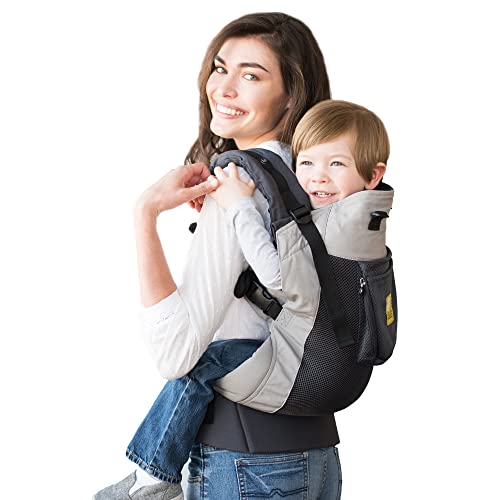
The CarryOn Airflow is designed with a wider torso and a taller back, delivering an ergonomic, roomy fit for toddlers up to 60 pounds. It’s ideal for caregivers needing hands-free mobility in travel hubs where strollers aren’t convenient. The carrier promotes adjustable side panels to widen or narrow the seat for hip-friendly positioning as your child grows, supporting long days of exploration.
Who it’s best for: travelers who anticipate longer periods of wear and need a carrier that grows with the child. Why selected: combination of airflow, adjustable fit, and extended size range for durability over years of use.
Caution: The carrier’s wider frame adds some bulk; consider your packing space when choosing this option for compact trips.
Infantino Flip 4-in-1 Convertible Carrier
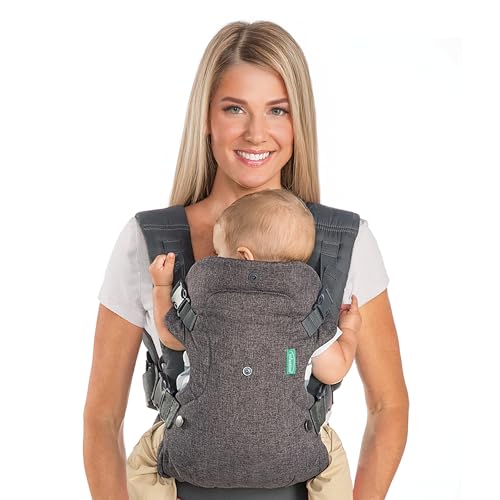
Infantino’s Flip offers four carrying positions, suitable from newborn to toddler stages (8–32 pounds). It includes padded shoulder straps and a wide waist belt to distribute weight evenly, aiming to reduce back and shoulder strain during errands, parks, or travel days. This option is adaptable for different caregivers, making it a practical choice for families with varying members who’ll wear the child.
Who it’s best for: families seeking a versatile, budget-friendly carrier that can adapt to multiple stages and caregivers. Why selected: flexible configurations and ergonomic design across stages without needing multiple devices.
Caution: Some configurations may feel warmer, and airflow is less pronounced in certain poses; use breathable settings when possible to avoid overheating.
Buying Guide: Key Considerations For Travel With A Toddler Carrier
- Payload and growth range: Look for carriers that accommodate your child’s weight and height as they grow, ideally into 60 pounds or more, to maximize usefulness over time.
- Ergonomics and hip alignment: Prioritize hip-healthy designs that support the natural M-position for the child’s hips and spine, reducing strain on the caregiver’s back and shoulders.
- Ventilation and comfort: For travel days, breathable fabrics and mesh panels help regulate temperature and prevent overheating during long periods of wear.
- Carrying positions: A mix of front-carry, back-carry, and hip carry options provides flexibility for different activities and child preferences.
- Storage and convenience: Features like pockets, hoods, and compact folding ability enhance travel practicality, especially in airports or on busy city streets.
- Care and maintenance: Removable, washable fabrics and simple cleaning routines save time on-the-go and extend product life.
Frequently Asked Questions
- What age is best for a toddler carrier when traveling? A: Carriers designed for children up to at least 48 months are common, with some models supporting up to 60 pounds, making them suitable for growing toddlers during travel.
- Which carrier is easiest to fold and pack for flights? A: Sling and compact front-carrier designs tend to be easier to fold and stash, though some multi-position carriers offer quick collapsing features.
- Is back-carry safer for very hungry or fussy toddlers? A: Back-carry can provide more stability and comfort for taller toddlers who prefer to look around, though front-carry is often preferable for younger toddlers who want closer contact.
- Do I need an infant insert for these carriers? A: Most listed options are designed for toddlers and do not require infant inserts; always follow the manufacturer’s weight and position guidance for safe use.
- How important is fabric choice for travel wear? A: Fabric matters for temperature control, skin comfort, and durability; breathable blends and cotton fabrics are generally best for extended wear during travel.
- Can multiple people wear the same carrier? A: Yes, many carriers offer adjustable fits with caregivers of different sizes, but ensure proper adjustment for each wearer to maintain safety and comfort.