When choosing transition bottles for toddlers, look for cups that ease the shift from bottle to cup with a gentle spout or straw, secure lids, and easier-handling designs. These top picks are ideal for toddlers progressing from breastfeeding or bottle feeding to independent drinking. They cater to different needs—spill-resistance, bite-friendly spouts, and portable on-the-go use—so parents can match the best option to their child’s pace and grip skill. The buyer-friendly table below highlights the five featured products and who they suit best.
| Product | Best For | Key Benefit |
|---|---|---|
| NUK Active Sippy Cup, Disney Cars | Toddler who loves character-themed gear | Spill-proof spout, ultra-lightweight |
| NUK Active Sippy Cup, Timeless Collection | Quiet transition to cup with clean-spout | Covered spout helps keep it clean |
| Dr. Brown’s Milestones Wide-Neck Sippy | Bottle-to-cup with easy-grip handles | 100% silicone spout; wide neck |
| NUK First Choice Large Learner Cup 2.0 | Learning-to-drink with soft leak-proof design | Easy-grip handles; spill-proof |
| Tommee Tippee Insulated Sporty Spout | Hydration on the go; spill-stopping design | Two-piece valve; insulated to keep drinks cold |
NUK Active Sippy Cup, Disney’s Cars

The NUK Active Sippy Cup with a 10 oz capacity is designed for a smooth transition from breast or bottle to a cup. It features a spill-proof spout that remains gentle on gums and an ultra-lightweight build with a carrying clip for portability. Best for toddlers who need a lightweight cup and enjoy familiar Disney Cars imagery.
Why selected: This cup emphasizes easy handling and mess reduction, which supports early drinkers who are still mastering lips and tongue coordination. The on-the-go clip helps families who travel or daycare with ease.
Caution: Spout design is soft and may wear with aggressive chewing; monitor for wear and replace as needed.
NUK Active Sippy Cup, Timeless Collection
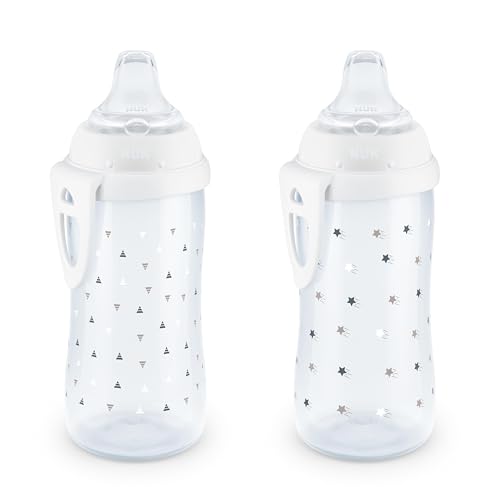
This 10 oz. sippy cup is geared toward a gradual transition from bottle to cup while keeping a clean surface with a protective cover over the spout. It’s well-suited for parents who value a tidy spout and an easy-clean design, and it helps older toddlers who need less leakage as they gain confidence.
Why selected: The cover keeps the spout clean between uses, reducing spill risk when tossed into a bag. It’s ideal for daycare or early preschoolers who practice self-feeding.
Caution: The cover adds a small extra component that may be misplaced if not stored with the cup.
Dr. Brown’s Milestones Wide-Neck Sippy Spout Bottle

Designed for a bottle-to-cup transition, this set uses a soft silicone sippy spout and easy-grip handles. The wide neck works with many older Dr. Brown’s bottles, making it a practical choice for families already using their bottles. Best for toddlers who prefer wide-mouth ergonomics and removable handles.
Why selected: The transition path from bottle nipple to sippy spout is direct, and the 100% silicone spout is gentle on little mouths. Handles are removable, offering flexibility as the child grows.
Caution: The 100% silicone spout may require more frequent cleaning to prevent residue from sticking, depending on liquids used.
NUK First Choice Large Learner Cup 2.0

This 10 oz learner cup features spill-proof, leak-proof design with easy-grip, anti-slip handles that adapt as the baby grows. It supports a smooth transition from bottle to cup and is a practical option for toddlers who need reliable leakage control and simple handling.
Why selected: The removable handles grow with the child, letting parents tailor grip size to the toddler’s development. It’s well-suited for homes and preschool settings focused on self-feeding confidence.
Caution: Some toddlers may prefer a straw or a bite-friendly spout over a standard soft spout; consider adding a secondary option if needed.
NUK Learner Cup With Soft Spout And Handles

This 10 oz learner cup uses a soft spout and easy-grip handles to help toddlers transition from bottle to drinking cup. It emphasizes a gentle learning curve with anti-slip handles that are removable as the child grows. Best for initial sippy attempts and early independence.
Why selected: The 100% soft spout focuses on comfort and natural drinking action, reducing gum stress. It’s a good bridge option before committing to a straw cup.
Caution: Handle attachment and removal mechanisms should be checked regularly to ensure safe use as the cup is cleaned often.
NUK Learner Cup, Minnie Mouse – Soft Spout

With a Minnie Mouse soft spout and easy-grip handles, this 10 oz cup supports a straightforward transition from breast or bottle to a cup. It’s BPA-free and designed to minimize leaks while teaching kids to drink from a spout with an engaging character design.
Why selected: The familiar Minnie Mouse motif can motivate toddlers to practice drinking from a cup while maintaining a gentle, leak-resistant design.
Caution: The design focuses on a spout transition; if a child prefers a straw, this option might be complemented with a separate straw cup.
Buying Guide
Key considerations for choosing transition bottles for toddlers:
- Spout vs. straw: Spouts are gentler on younger mouths; straws encourage a different drinking action. Choose based on your child’s comfort and chewing tendencies.
- Leak resistance: Look for spill-proof designs and secure lids to minimize messes at home and on the go.
- Handles and grip: Removable or adjustable handles help with motor skill development and grip control as little hands grow stronger.
- Cleaning needs: Some cups have covers or more parts. Simpler designs can be easier to clean, reducing bacterial buildup.
- Compatibility: If you already own bottles from the same brand, consider options that fit or combine well with existing systems.
- Durability: Material quality and spout longevity matter, especially for toddlers who bite or chew on spouts.
Practical buyer questions
- When should I switch from bottle to sippy cup? Consider starting around 6-12 months, depending on your child’s development and feeding routine.
- Are spill-proof cups really spill-proof? Many are designed to minimize spills, but toddlers can still spill when excited or playing with the cup.
- Is a straw cup better than a spout cup? Straw cups support a different drinking technique and may suit some toddlers better as they grow, while spouts are gentler for early transitions.
- How many parts should a cup have? Fewer parts can simplify cleaning, but some designs with removable handles offer valuable growth flexibility.
- Can these cups fit into a diaper bag or daycare setting? Yes, many are compact and include clip-on features for portability and cleanliness.
- Do I need to buy two cups or more? Having a backup cup can help with cleaning cycles and multiple daily uses, especially for toddlers in daycare.
FAQ
- What age is best for transition cups? Most toddlers transition between 6 and 24 months, depending on development and family needs.
- Are transition cups BPA-free? Many are BPA-free; always verify the product description to confirm material safety.
- What features reduce mess? Spill-proof spouts, secure lids, and anti-leak designs contribute to fewer spills.
- Do cups affect dental health? Choose cups with gentle spouts and gradually introduce cups with larger drinking openings as teeth develop.