For parents seeking practical ways to support a toddler’s first steps, a walking aid can reduce back strain while building confidence. This guide compares five top options, from simple harnesses to ride-on toys, to help you choose the right fit for your child’s age and development. Best for parents who want hands-on assistive support, steady guidance, or a versatile learning companion as their toddler learns to stand and walk.
Summary table of selected products:
| Product | Best For | Key Benefit | Notes |
|---|---|---|---|
| Watolt Baby Walking Harness (Grey) | Small infants to 24 months | 4-in-1 adjustable modes for start-to-stand and self-walking | Lightweight, comfortable design |
| Watolt 4-in-1 Harness (Grey) | 6–24 months | Secure fit and soft materials | Breathable cotton/polyester mix |
| Ocanoiy Walking Harness (Pink) | 9–24 months | Detachable crotch, adjustable sizing | Comfortable cotton mesh |
| Ocanoiy Walking Harness (Dark Blue) | 9–24 months | Same versatile design as pink variant | Durable, breathable materials |
| HYES 5-in-1 Baby Push Walker | 12+ months | Sit-to-stand, activity center, and push walker | Multiple modes for growth |
Watolt Baby Walking Harness – 4-in-1 Support
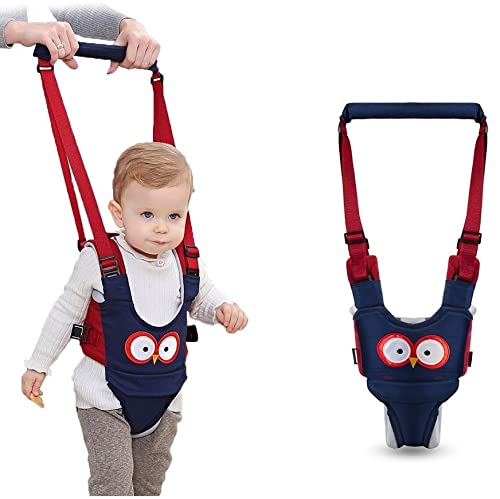
The Watolt harness is designed to reduce the caregiver’s back strain while guiding a toddler from start-to-stand to independent steps. Best for caregivers who want a 4-in-1 setup that adapts as their child grows. The belt provides lift options with or without crotch support to support different walking stages and to help manage a baby’s pace and balance.
- Best for parents who need adjustable support during early walking and want to extend use as the child grows.
- 4-in-1 modes: Lift-with-Crotch, Lift-without-Crotch, Pull-with-Crotch, Pull-without-Crotch.
- Caution: Ensure proper adjustment to avoid over-reliance that may affect natural balance.
Watolt 4-in-1 Walking Harness (Grey) – Adjustable For 6–24 Months

This variant emphasizes a secure, custom fit with adjustable chest and shoulder straps, suitable for infants and toddlers aged 6 to 24 months. It emphasizes comfort using breathable materials and padding to help babies practice standing and walking without tiring caregivers.
- Best for toddlers who need a snug, adjustable fit during frequent practice sessions.
- Soft materials and padding reduce irritation on sensitive skin.
- Caution: Fit may need frequent retightening as your child grows taller.
Ocanoiy Baby Walking Harness (Pink) – Detachable Crotch

The Ocanoiy pink harness uses 100% cotton with mesh for airflow, offering a comfortable fit for 9–24 month olds. Its detachable crotch feature helps with transitions from sit-to-stand to walking. Best for families who value breathability and easy on/off adjustments.
- Best for babies sensitive to heat or skin irritation due to breathable fabric.
- Adjustable sizing ensures a snug fit as your child grows.
- Caution: Detachable crotch design requires careful reattachment to maintain support.
Ocanoiy Walking Harness (Dark Blue) – Comfortable Fit

This dark blue variant mirrors the pink model’s materials and adjustments, offering a comfortable 9–24 month walking harness with a secure fit and breathable fabric. It balances ease of use with effective support for learning to walk.
- Best for households wanting a reliable, consistent fit across multiple outfits and seasons.
- Adjustable straps help tailor support to your child’s torso and shoulders.
- Caution: Like all harnesses, ensure supervision during use to prevent slippage.
HYES 5-in-1 Baby Push Walker

The HYES 5-in-1 model blends a walk-learning aid with an activity center. It guides babies through sit-to-stand, offers a push-walker mode, and gives an engaging play panel to build early cognitive skills. Best for toddlers ready to explore more independent movement while exposed to educational activities.
- Best for walkers who benefit from structured guidance plus interactive play.
- Removable play panel supports color and shape recognition and early motor skills.
- Caution: The speed control relies on child input; adult supervision is recommended to prevent falls.
YBIKE Pewi Walking Ride On Toy

The YBIKE Pewi is designed to grow with a child from walking to riding. It supports balance and coordination for ages 9 months to 3 years and features lightweight construction with smooth, non-marking wheels. Best for active toddlers who benefit from transitional play between walking and riding.
- Best for indoor and outdoor use with floor-friendly wheels.
- Balanced design reduces fatigue while encouraging exploration.
- Caution: Not a substitute for direct supervision during early walking stages.
GHOSOONE Six-Wheel Walkers for Disabled Children
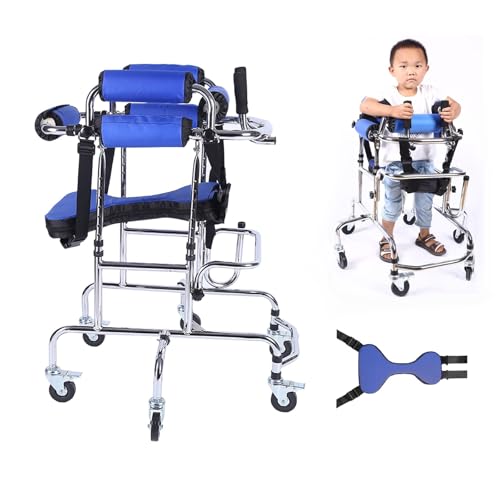
This four-to-six wheel walker is designed for rehabilitation and supportive walking, featuring a high-density sponge handrail and adjustable height. Best for children needing additional balance support or postural stability training, including those with specific mobility challenges.
- Best for rehabilitation and steady gait practice with accessory handrails.
- Sturdy stainless steel construction offers durability for growth and repeated use.
- Caution: Intended for stability support; ensure proper medical guidance for long-term use.
Buying Guide: Key Considerations For Toddler Walking Aids
What age or stage is each option best suited for?
Harnesses are ideal for infants starting to stand and walk (roughly 6–24 months). Push walkers and ride-ons suit toddlers ready for more independent movement (around 9–24 months and beyond). Multi-function options can grow with your child through several milestones.
What materials affect comfort and safety?
Breathable fabrics (cotton, mesh) reduce overheating. Padding around the arms and crotch helps prevent chafing. Secure fasteners and adjustable straps ensure a snug, even fit to maintain balance and prevent slips.
How should you evaluate fit and adjustment?
Look for easily adjustable chest, shoulder, and waist straps. Ensure the crotch area is secure but comfortable, and check that adjustments stay in place during movement. Proper fit reduces back strain for caregivers and supports proper walking form for toddlers.
What features support development and safety?
Educational panels or play features can reinforce cognitive skills while walking. Speed control, non-slip wheels, and stable bases reduce the risk of falls. Detachable crotch components can ease transitions as children grow.
What are practical usage tips?
Always supervise toddlers during use. Start with short practice sessions in a safe, open area. Alternate between harness-guided practice and free play to encourage confidence naturally. Inspect straps and stitching regularly for wear.
Which option is best for different family needs?
Choose a 4-in-1 or 5-in-1 harness if you want longevity across stages. If your child thrives on interactive play, a push walker with an activity center can combine learning with movement. For households prioritizing lightweight ease, compact models may be best.
Frequently Asked Questions
- Are toddler walking harnessesSafe? Yes, when used with supervision and proper fit, harnesses provide controlled assistance and reduce caregiver strain during early walking practice.
- What age should I start using a walking aid? Most toddlers begin walking practice between 9 and 18 months, but readiness varies. Use a harness or assistive device when your child attempts to stand and take steps with support.
- Can a harness affect natural walking development? When used correctly as a teaching aid, it supports stepping practice without replacing natural movement; rotate with free walking to encourage independence.
- Do these aids require assembly? Many models have adjustable straps and simple fasteners; refer to product instructions for safe setup before first use.
- What should I look for in a “best for” label? Consider your child’s age, comfort, and your family needs—whether you require back support, adjustable growth, or a learning play panel.
- Are there any cautions to consider? Always supervise, ensure a secure fit, and inspect for wear. Avoid relying on a single aid for long periods without built-in breaks or independent practice time.