Protect your baby’s hearing with purpose-built ear muffs that reduce loud noises during naps, travel, or busy events. This guide highlights five top picks suited for newborns to toddlers, focusing on comfort, safety, and reliable noise reduction. Each option targets a different use case—travel, concerts, fireworks, or everyday quiet—so you can choose based on your child’s routine and growth. The top products below are ideal for parents seeking proven 24 dB or higher protection with soft, non-irritating padding and adjustable fits.
Summary table of chosen products
| Product | Best For | Key Benefit |
|---|---|---|
| Alpine Muffy Baby Ear Protection (Green) | Regular outings, sleep-friendly | Adjustable fit, soft padding |
| HOIGRBOM Baby Ear Muffs | Air travel, airplanes, trains | 24 dB noise reduction |
| Alpine Muffy Baby Ear Protection (Pink) | Style-conscious comfort | Soft, comfortable design, adjustable |
| Alpine Muffy Baby Ear Protection (Black) | Everyday use, growing with child | Multi-layer foam, safe design |
| Alpine Muffy Baby Comfort (Green) | Longest wear during flights or outings | Increased protection, pre-attached cups |
Alpine Muffy Baby Ear Protection Green
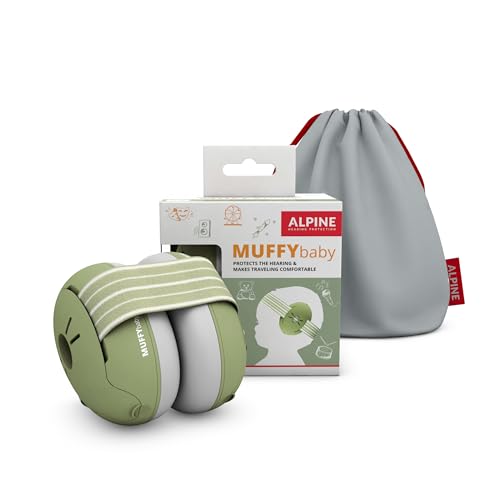
Best for: Babies and toddlers needing adjustable, comfortable noise protection during everyday activities and sleep. This model is CE & ANSI certified with soft padding and layered foam for quieter ears. The design prioritizes a gentle fit to minimize pressure on developing skulls.
Why selected: It combines a proven safety certification with an easily adjustable headband and soft ear cups, making it a reliable everyday option for parents who want consistent protection without discomfort.
Caution: Ensure a proper fit to avoid gaps that could reduce noise reduction effectiveness.
Baby Headphones For Noise (HOIGRBOM)

Best for: Travel and crowded events where prolonged exposure to loud sounds is likely. These earmuffs offer 24 dB noise reduction and a flexible, pressure-free headband designed to avoid applying pressure on fontanelles.
Why selected: The combination of high noise reduction, adjustable band, and materials designed to be gentle for soft spots makes it a strong pick for airplane travel, concerts, or busy days.
Caution: Material care is important; wipe clean to maintain padding integrity for continued comfort.
Alpine Muffy Baby Ear Protection Pink

Best for: Parents seeking a visually appealing option without sacrificing performance. This model mirrors the standard Alpine Muffy design with 24 dB of protection and easy adjustability for growing children.
Why selected: It provides the same safety standards as other Alpine models, with a color variation that may appeal to children, encouraging use during routines that require quiet time.
Caution: Availability in color may vary by listing; check current color options before purchase.
Alpine Muffy Baby Ear Protection Black

Best for: Everyday use with a neutral color that avoids drawing attention in public spaces. Compatible with extended wear and everyday activities.
Why selected: Durable design with multi-layer foam and a soft headband offers a balanced option for families needing reliable protection without fuss.
Caution: Fit needs periodic checking as babies grow to maintain effective noise reduction.
Alpine Muffy Baby Comfort Green

Best for: Longer outings and situations requiring higher protection with added comfort. This model offers the 24 dB protection with pre-attached ear cups and a soft fit designed to be worn for extended periods.
Why selected: It expands the comfort and safety features of the Muffy line, suitable for babies and toddlers from 3 months to about 5 years, ensuring continued use as the child grows.
Caution: Some users may prefer slightly lighter models for very small infants; verify fit for newborns before use.
Buying Guide: Key Factors To Consider
What level of noise reduction is appropriate?
Look for 20–25 dB noise reduction for most outdoor environments and travel. Higher reductions are beneficial for loud concerts or fireworks, but ensure the fit remains comfortable for longer wear.
How important is fit and comfort?
Choose earmuffs with soft padding, gentle headbands, and adjustable sizing. Avoid hard parts near the fontanelle and ensure the product can grow with your child (0–48 months to 5 years ranges vary by model).
What materials matter for babies?
Non-irritating, BPA-free materials and washable padding are ideal. Durable foams and cushioned cups help minimize pressure and reduce red marks on delicate skin.
Which use cases should guide your choice?
Traveling with infants benefits from 24 dB protection and a comfortable, adjustable fit. For events like fireworks or concerts, higher protection and secure headbands prevent slipping during movement.
How important is safety certification?
Certified products (CE, ANSI) provide assurance of safety standards. Certifications indicate adherence to child-specific safety guidelines and tested noise-reduction performance.
FAQ
- Do baby ear muffs completely block sound?
They reduce sound exposure by a specified decibel level (often 24 dB), which lowers the overall sound reaching the ears while allowing basic environmental awareness.
- Can babies wear ear muffs all day?
Yes, if designed for extended wear with soft padding and a comfortable, adjustable fit. Monitor for pressure points and remove periodically if needed.
- Are these earmuffs safe for newborns?
Many models are designed for ages 0–48 months, but always follow manufacturer guidelines and confirm fit for newborns before long-term use.
- How should I clean baby ear muffs?
Wipe with a damp cloth and mild soap; avoid submerging in water if not specified by the manufacturer. Remove and air dry cushions if removable.
- What if the earmuffs don’t stay on during travel?
Look for adjustable headbands with anti-slip features or consider a model with a tighter clamp and broader cups to improve stay-on performance.
- Is 24 dB enough for loud events?
For very loud environments, higher reductions or additional layers (such as compression hats or ear plugs for adults) may be considered, but 24 dB is a common baseline for babies.