The best mesh pacifier for teething helps your baby explore new flavors and textures safely while soothing sore gums. This guide highlights five mesh-style fruit feeders that are ideal for self-feeding, teething relief, and easy cleaning. It targets parents seeking BPA-free, dishwasher-safe options that support baby-led weaning and gentle teething. Each product is assessed for who it suits best, plus practical pros and a clear caveat to aid quick decisions. A quick product comparison table is included for fast scanning.
Product Comparison Table
| Product | ||
|---|---|---|
| POIKSHARK 2 Pack Silicone Fruit Feeders | First solids and teething relief | One-piece handle design reduces choking hazards |
| Munchkin Baby Feeder (2 Pack) | Boys and girls 6 months+ | Choking-reduced pieces; versatile use for purees, frozen foods |
| NatureBond 2 Pack Fruit Feeders | Budget-conscious families seeking safety | Easy to dismantle and wash; certified safety features |
| HAOBAOBEI Baby Feeder Pacifier (2-Pack) | Solid foods and teething relief | Leak-proof snap design; fine holes for digestible portions |
| RAZBABY 2-Pack Solids Feeder | Self-feeding with frozen options | Freezable BPA-free pouch for lasting relief |
POIKSHARK 2 Pack Silicone Fruit Feeders

Best for new solid-food explorers and teething relief, this POIKSHARK set uses a soft silicone pouch with tiny holes to deliver small, digestible pieces. The one-piece silicone handle design minimizes choking risks, making it suitable for parents prioritizing safety during self-feeding. The feeders are BPA-, PVC-, and phthalate-free, reinforcing a baby-safe feeding experience. Cleaning is straightforward: they’re dishwasher safe, microwave safe, and can be boiled for deep cleaning. A limitation is that the 2-pack design may require multiple storage spaces if you want separate pouches for different meals.
Munchkin Baby Feeder for Fresh Food and Fruit
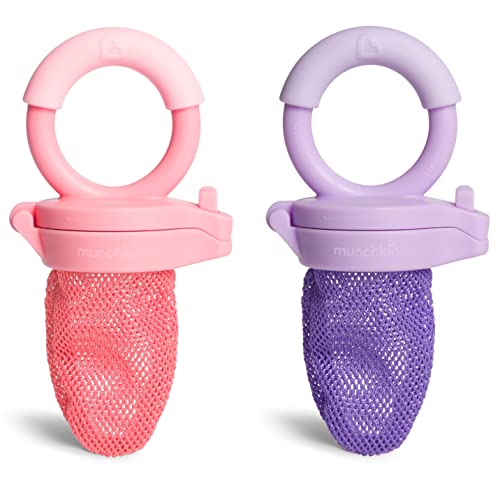
Best for parents who want a versatile feeder that works with frozen breast milk, purees, and soft solids, the Munchkin feeder reduces choking risk by letting through only small, digestible pieces. It’s designed for infants starting on solids (6 months and up) and supports gentle transition to solid foods. A potential limitation is that some babies may prefer fresher textures over frozen items, depending on palate development. It excels when used as a consistent self-feeding aid rather than occasional teething relief alone.
NatureBond Baby Food Feeder (2 Pack)
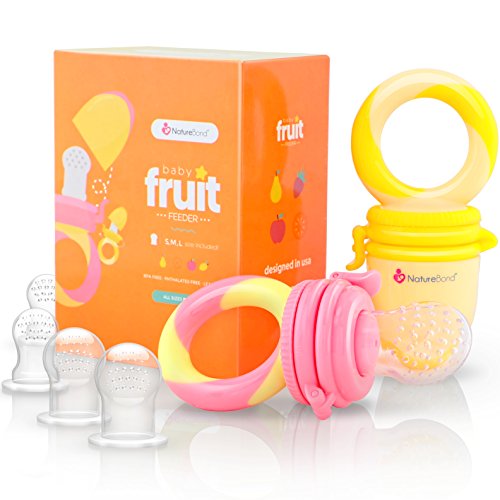
Best for value-conscious families seeking safety certifications, NatureBond feeders come in appetizing colors that stimulate appetite for natural nutrients. They’re BPA-free, latex-free, lead-free, and phthalate-free, with easy disassembly for thorough cleaning. The design emphasizes hygiene and safety, which is beneficial for households needing frequent sanitization. A caution is that some parents report lip or gum comfort varies with different silicone teats; ensure you choose the correct size for your baby’s age and feeding stage.
HAOBAOBEI Baby Feeder Pacifier (2-Pack)
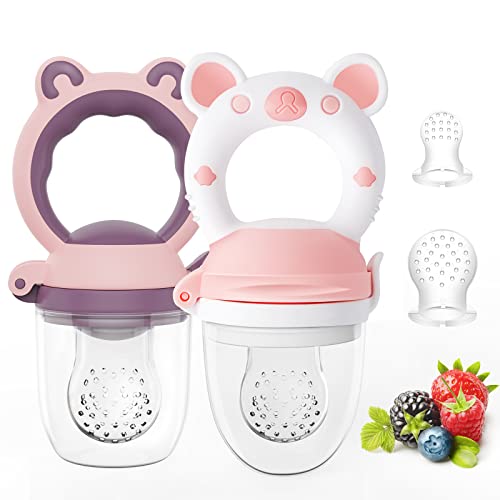
Best for introducing solid foods and teething relief in one compact tool, HAOBAOBEI’s 2-in-1 silicone feeder uses 2mm holes to deliver evenly distributed, fine food droplets to avoid choking. The embedded snap seal design helps prevent leaks, supporting hygiene during use. A limitation is that the packaging often mentions a two-pack, which may be more equipment than a small household needs if you already own a similar feeder. It is a strong choice for parents prioritizing controlled portions and leak prevention.
RAZBABY Solids/Frozen Feeder Pacifier

Best for independent eaters who benefit from a frozen texture, the Razbaby feeder features a freezable, BPA-free silicone pouch. It supports baby-led weaning by allowing safe exploration of fruits, vegetables, and soft solids. The ergonomic handle suits small hands for better grip and control. A potential caveat is that prolonged use with very hard foods may require extra supervision to ensure safe chewing habits as the baby grows. This option emphasizes lasting relief through chilling textures.
Buying Guide: Key Considerations For Choosing A Mesh Pacifier For Teething
What should you look for when selecting a mesh pacifier feeder? Prioritize safety certifications, such as BPA-free materials, and verify that the design minimizes choking hazards. Consider the baby’s age, as some pouches come in multiple sizes to accommodate stage-based feeding. Durability of the silicone and ease of cleaning are essential for daily use. If you’re travel-friendly, a dishwasher-safe or boil-clean option reduces prep time. Freeze capability is a plus for teething, but ensure your freezer foods are cut to safe sizes.
Material And Safety
Choose feeders made from 100% food-grade silicone and ensure there are no toxic additives. Check for BPA, phthalate, latex, and lead-free certifications. A leak-proof seal is important to prevent juice leaks and keep feeding mess low.
Size, Age, And Stages
Many products offer multiple pouch sizes to grow with your baby. Start with smaller pouches for younger infants (around 4–6 months) and move to larger sizes as they learn to handle solids. This helps prevent overfeeding and ensures comfortable gum contact during teething.
Cleaning And Maintenance
Opt for products that are dishwasher safe or easy to dismantle for thorough washing. Heavy grime can harbor bacteria, so choose feeders that can be fully disassembled without leaving hidden crevices.
Ease Of Use
Consider one-piece handles or snap-seal designs that reduce the risk of leakage and make it easy to assemble. A comfortable grip helps babies hold the feeder with minimal assistance, encouraging self-feeding.
Flavor Flexibility
Look for feeders compatible with a range of foods, including fruits, vegetables, and even frozen breast milk. Pouch hole size matters; too large can produce choking risks, too small could clog or frustrate the baby.
FAQ
- Are mesh feeders safe for teething? Yes, when used with age-appropriate foods and proper supervision. They soothe gums and introduce new textures with controlled portions.
- What age should I start using a feeder pacifier? Most feeders are suitable around 4–6 months, when babies begin exploring solids with teething gums.
- Can I wash mesh feeders in the dishwasher? Many are dishwasher safe, but always confirm the manufacturer’s cleaning instructions to avoid damage.
- What foods can I put in these feeders? Soft fruits, vegetables, and well-pureed foods. Some feeders support frozen foods or breast milk popsicles for teething relief.
- Do feeders prevent choking? They reduce choking risk by delivering small, digestible pieces, but supervision remains essential during feeding.
- How do I choose the right size pouch? Start with smaller sizes for younger babies and switch to larger pouches as your child reaches newer feeding stages.