If you’re seeking silicone nipple shields to aid latching or soothe sore nipples, you’ve found a practical starting point. This guide features five well-regarded options that help a range of breastfeeding needs, from flat or inverted nipples to improving skin-to-skin contact. Each product is explained with who it’s best for, why it was selected, and a clear caution to consider before buying. The top picks are suitable for new and experienced mothers who want a comfortable, evidence-based aid during nursing.
| Product | Best For | Size |
|---|---|---|
| Medela Contact Nipple Shields, Medium 20mm | Moms with standard needs seeking reliable design | 20mm |
| Momcozy Nipple Shields for Breastfeeding Newborn, 24mm | Moms with flat or inverted nipples seeking larger shielding | 24mm |
| Medela Contact Nipple Shields, Small 16mm | Smaller size needs or precise fit for sensitive skin | 16mm |
| haakaa Nippleshield Silicone Nipple Shields (18mm, 2pk) | Flyover-use households needing extra shields and ultra-thin design | 18mm |
| Lansinoh Contact Nipple Shields for Nursing Mothers, 20mm | Balanced option with skin-to-skin emphasis | 20mm |
Medela Contact Nipple Shields, Medium 20mm

Product overview: Medela’s nipple shields are designed to support breastfeeding when latching is difficult or uncomfortable. The unique cut-out area aids skin-to-skin contact and lets the baby smell mom’s scent while nursing. Made from ultra-thin, flexible, food-grade silicone, they are comfortable even on sore or cracked skin.
Who it’s best for: This shield suits moms who need a reliable, standard-size shield and want a design that enhances skin contact during latching. It’s especially useful for gradual adjustment when nipple sensitivity is high.
Why chosen: The combination of a distinctive cut-out design and thin silicone provides practical support for difficult latches without bulky feel. The product emphasizes skin-to-skin bonding, which can help baby feeding cues.
Caution: Some babies may take time to adapt to shields with the cut-out; start with short nursing sessions to observe baby’s latch and flow.
Momcozy Nipple Shields for Breastfeeding Newborn, 24mm

Product overview: Momcozy shields are designed to address flat or inverted nipples, excessive let-down, and other breastfeeding challenges. The flower-shaped surface provides a larger contact area, helps keep edges from rolling, and features a 2mm milk-flow opening to maintain steady flow.
Who it’s best for: Best for moms who need a larger shield with a secure fit and a design that supports smoother milk transfer and bonding during feeds.
Why chosen: The larger surface and a dedicated flow hole support smoother feeding and reduce edge roll-off, which is helpful for new users adjusting to nipple shields.
Caution: Ensure you select the right size; if in doubt, measure nipple diameter to avoid over- or under-coverage that could affect latch efficiency.
Medela Contact Nipple Shields, Small 16mm
Product overview: This small-size shield from Medela mirrors the medium version with the same skin-friendly silicone and cut-out design. It’s optimized for a snug fit on smaller nipples or when a gentler shield helps with latch issues.
Who it’s best for: Ideal for moms needing a smaller shield for a precise fit and comfort, particularly if skin sensitivity or nipple shape makes a 16mm size preferable.
Why chosen: Provides a consistent brand approach to comfort and latching support, enabling a smoother transition to direct nursing as needed.
Caution: Smaller shields can be less forgiving for larger areolas; monitor baby’s latch and milk flow to ensure effective feeding without nipple compression.
haakaa Nippleshield Silicone Nipple Shields (18mm, 2pk)

Product overview: haakaa shields offer a two-pack of ultra-thin silicone shields with a distinctive cut-out design for enhanced skin contact. The product emphasizes a natural-feeling feeding experience.
Who it’s best for: Best for households needing an affordable two-pack with a soft, flexible shield suitable for sensitive nipples and when quick cleanup is desired.
Why chosen: The dual-pack setup supports frequent use and travel needs, while the ultra-thin design minimizes interference with baby latch.
Caution: Some babies may adapt more slowly to this shield style; consider a short practice period and observe latch consistency before switching fully to shields during feeds.
Lansinoh Contact Nipple Shields for Nursing Mothers, 20mm
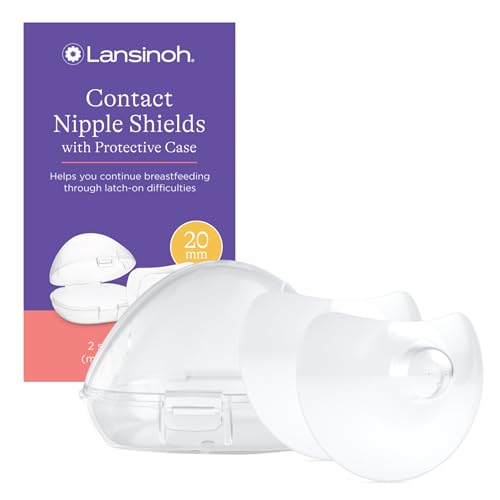
Product overview: Lansinoh shields are designed to address latching difficulties with a focus on skin-to-skin contact. The 20mm size provides a balanced option between coverage and comfort.
Who it’s best for: Suitable for moms who want a reliable shield that emphasizes skin contact alongside practical latch support.
Why chosen: The shield’s design aligns with common breastfeeding needs where gentle support and minimal obstruction are priorities.
Caution: As with any shield, monitor baby’s latch and milk transfer to ensure effective feeding and avoid over-reliance on shields during frequent feeds.
Buying Guide: Silicone Nipple Shields For Breastfeeding
- When to use: Consider shields when latching is painful or difficult, nipples are flat or inverted, or there’s a need to improve skin-to-skin bonding during feeds.
- Size and fit: Start with the size corresponding to your nipple diameter; a poor fit can cause discomfort or poor latch. Have a few sizes on hand if possible.
- Material and safety: Look for ultra-thin, food-grade silicone that is easy to clean and sterilize. Avoid shields that contain latex or irritants if you have sensitive skin.
- Design features: Shields with cut-out designs often boost skin-to-skin contact and scent transfer, potentially aiding latch. Flower-shaped or larger surface shields can offer more coverage for certain shapes.
- Cleaning and care: Wash after every use with mild soap and warm water. Sterilize as recommended by the manufacturer to minimize bacterial growth.
- Usage tips: Introduce shields gradually. Observe baby’s latch and ensure milk flow remains steady through the shield’s opening. If pain worsens or feeding becomes difficult, consult a lactation consultant.
- Durability and replacement: Replace shields if they show signs of cracking, tearing, or loss of elasticity. A comfortable shield should feel soft but sturdy.
Frequently Asked Questions
- Do nipple shields affect milk supply? They are designed to help with latching and comfort; they generally do not cause a loss of milk supply when used correctly and removed as directed for regular feeding.
- How long should a baby use a nipple shield? Use as recommended by a lactation consultant or pediatrician. Some babies adapt quickly, while others may require support for a longer period.
- Can I use shields with both breasts in one feeding? Yes, shields can be used on either breast as needed, but ensure each breast is comfortable and functioning well.
- Are silicone shields safe for newborns? Food-grade silicone shields are commonly used for newborns, but supervise feeding to monitor latch and ensure safety.
- How should I clean and store shields? Wash after each use with mild soap and warm water, sterilize if possible, and store in a clean container or case to prevent contamination.
- What if the shield causes discomfort or doesn’t fit well? Try a different size or brand, and consider consulting a lactation professional for a custom fit and feeding strategy.